/
•
•
Detailed stories on technology startups, business and economic current affairs.
The inclusion of a second company in the Nifty 50 should have led to broader market participation, but institutional and strategic buyers have kept individual investors away.




In the rise of Reliance Industries over the last four decades to become India’s most valuable company, one aspect always stood out. It was how its founder Dhirubhai Ambani created wealth for investors in the company, especially individual shareholders.
That sits in sharp contrast with the Adani group, which is now the most valuable family-owned business in India. In under five years, the group’s seven listed companies have gone from a valuation of less than Rs 1,00,000 crore to Rs 18,23,000 crore. Yet its individual shareholders hold shares worth just Rs 40,000 crore, compared to Rs 1,38,000 crore in the …
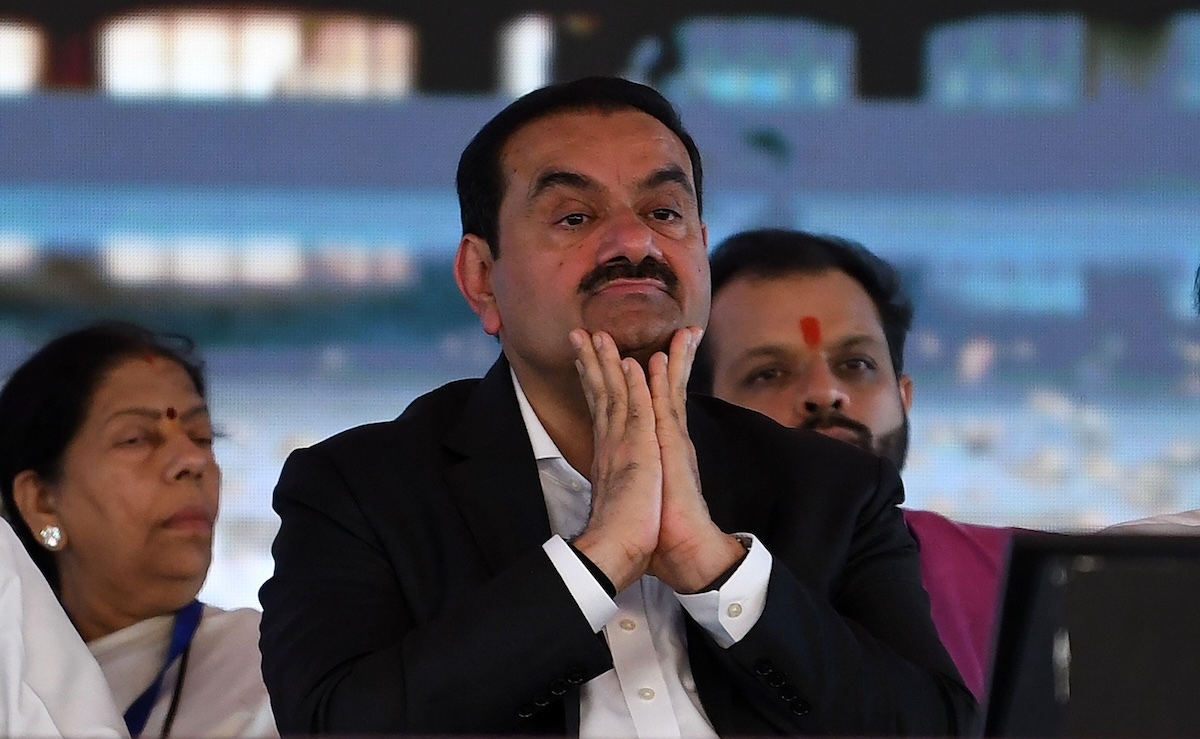
A regulatory easing could see the billionaire’s conglomerate move from running airports to owning an airline—an idea he is warming up to, with multiple options open.
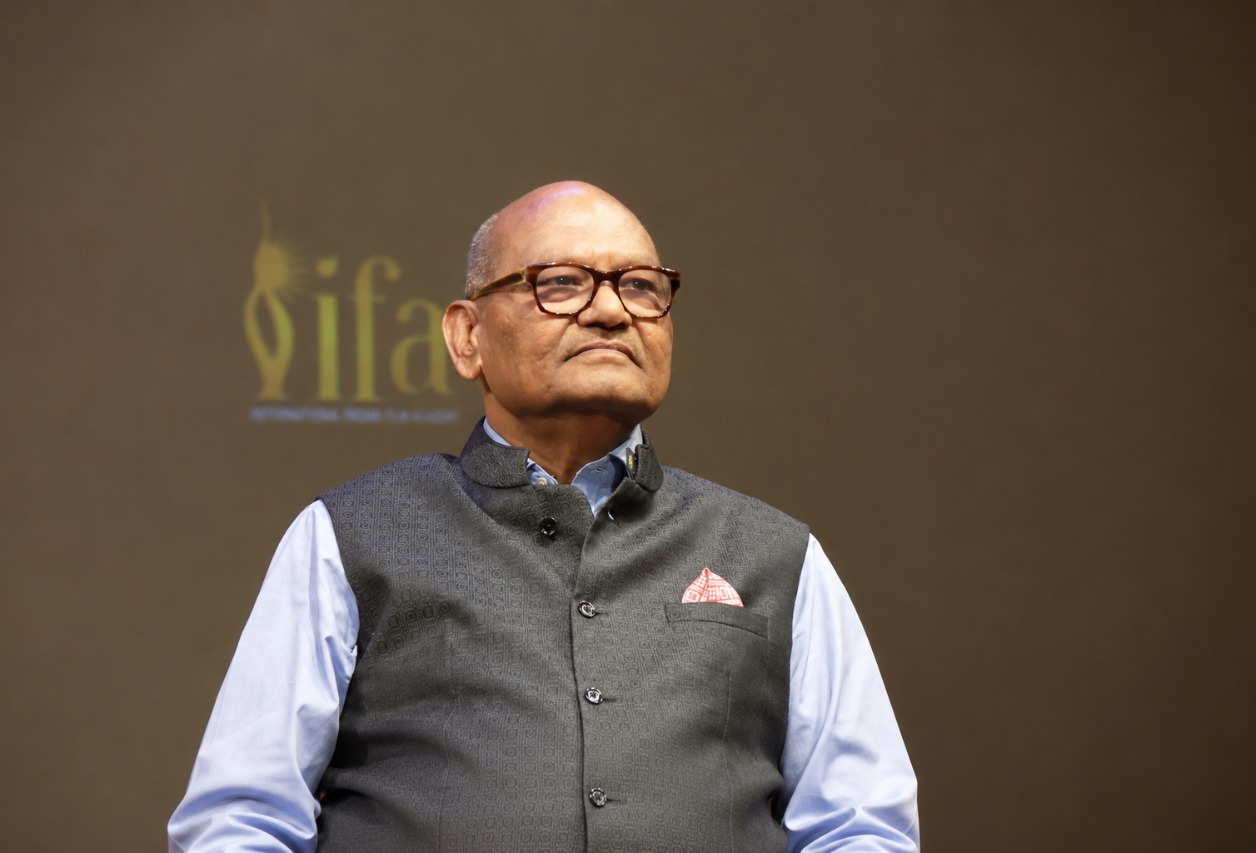
After a strong listing, Vedanta Aluminium Metal is running into some headwinds. Aluminium prices are easing, but the sharper challenge is rising competition from Kumar Mangalam Birla and Gautam Adani.

A proposed SEC settlement lifts the biggest overhang on the Adani Group—its access to US capital markets.