/
•
•
Detailed stories on technology startups, business and economic current affairs.
The planned merger of the two low-cost carriers comes with red flags for the Tata group’s grand plans for its aviation business under Air India.




In the Tata group’s ambitious plan to make its vast but disjointed aviation business an industry leader, AirAsia India seems like the smallest, and easiest, piece of the puzzle.
Mired in losses, the low-cost airline has never managed to live up to the hype, despite having two big promoters in Tata Sons and Malaysia-based AirAsia Berhad. Launched in 2013, AirAsia India saw its market share peak at 7%; it now hovers at around 6%. Its fleet has shrunk in a market where others are adding capacity. Besides, some of its recent practices to cut costs have shaved off the little …
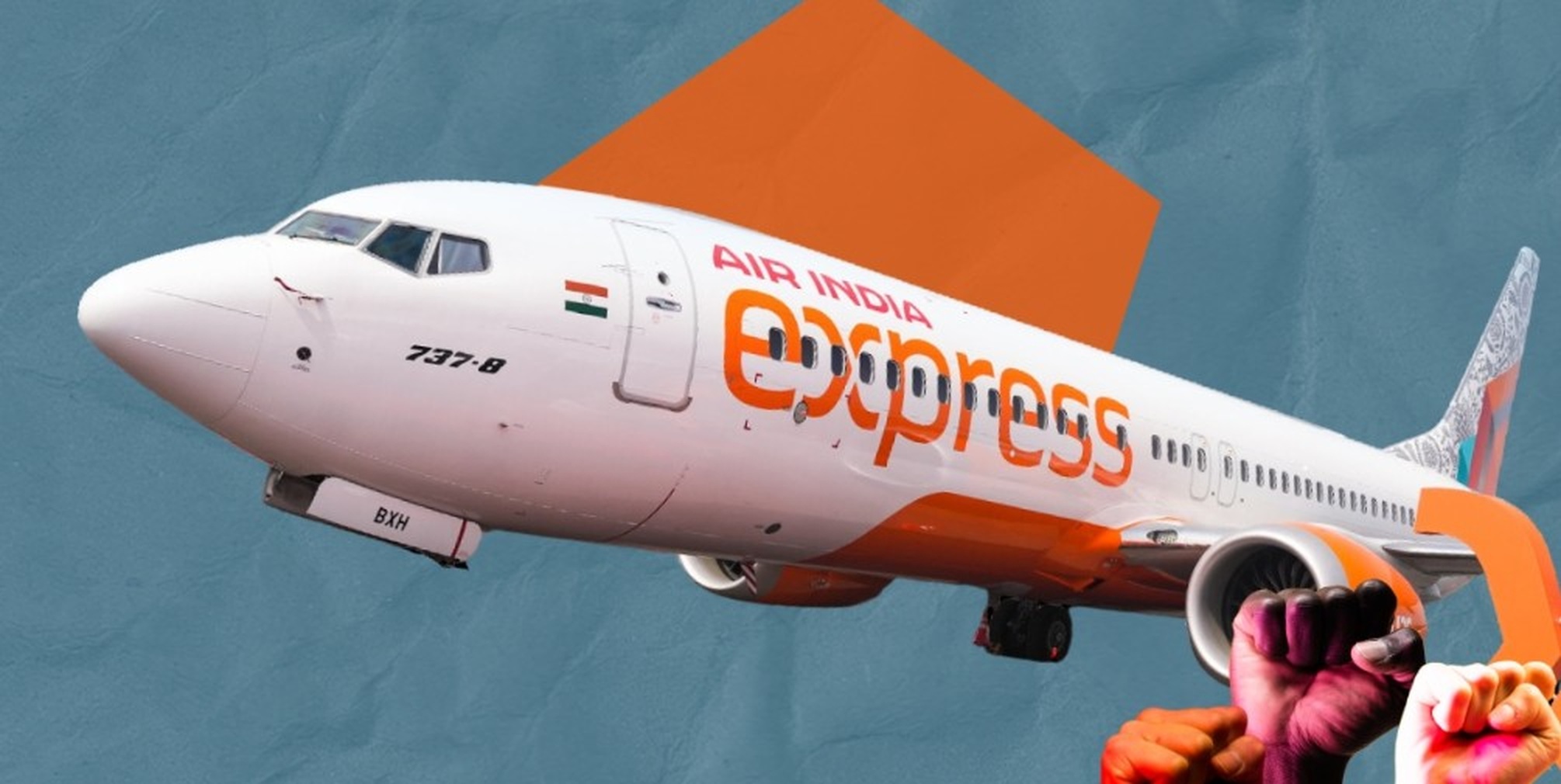
As the low-cost carrier pushes through a compensation overhaul, the absence of a CEO is complicating a delicate moment.

The two new chief executives at Air India and IndiGo come with contrasting reputations but face the same challenge—do their predecessors one better.
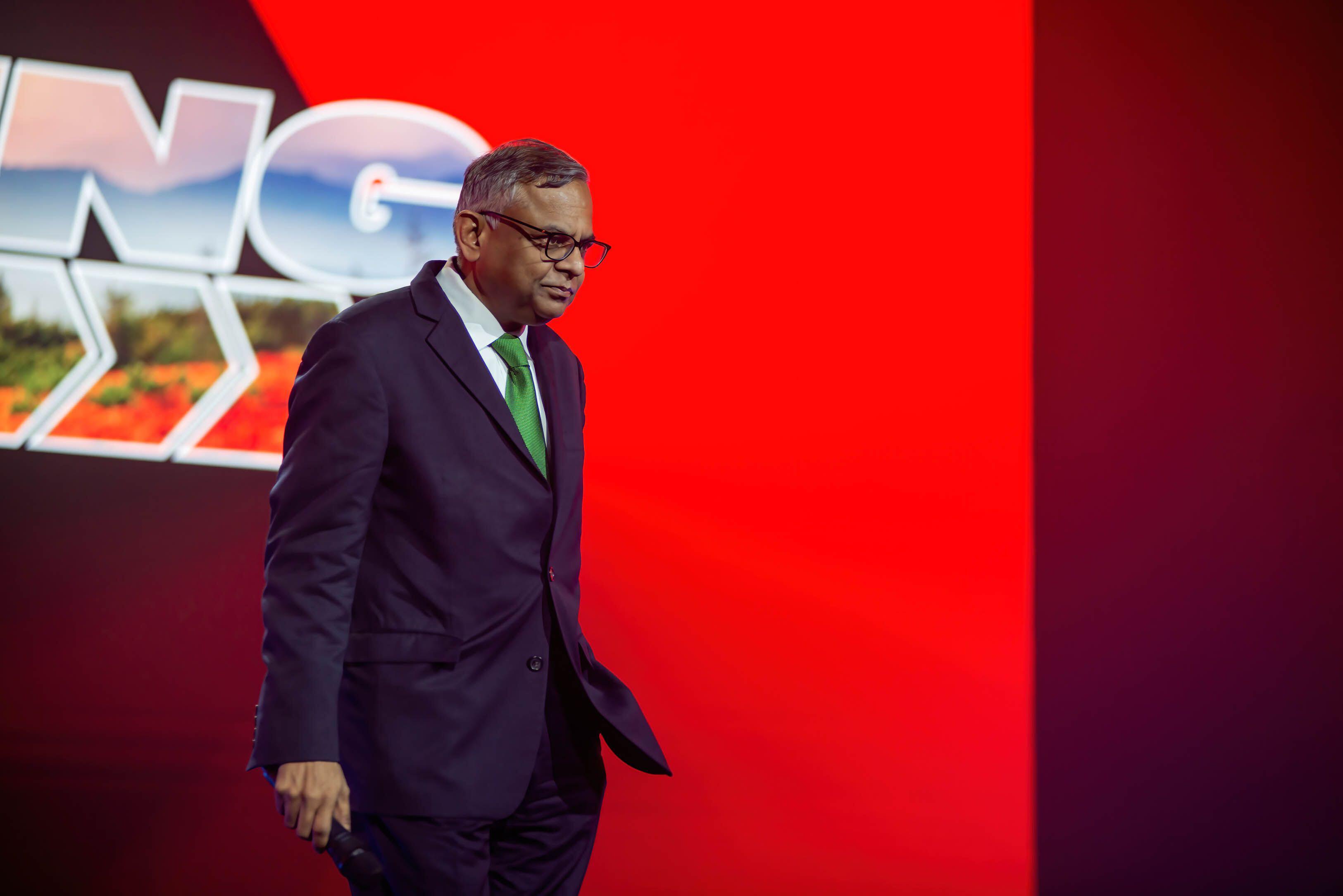
In a surprise move on Wednesday, the Tata Sons chairman announced he will exit Bombay House at the end of his tenure in February 2027. He leaves at what is one of the most crucial times for the group.