/
•
•
Detailed stories on technology startups, business and economic current affairs.
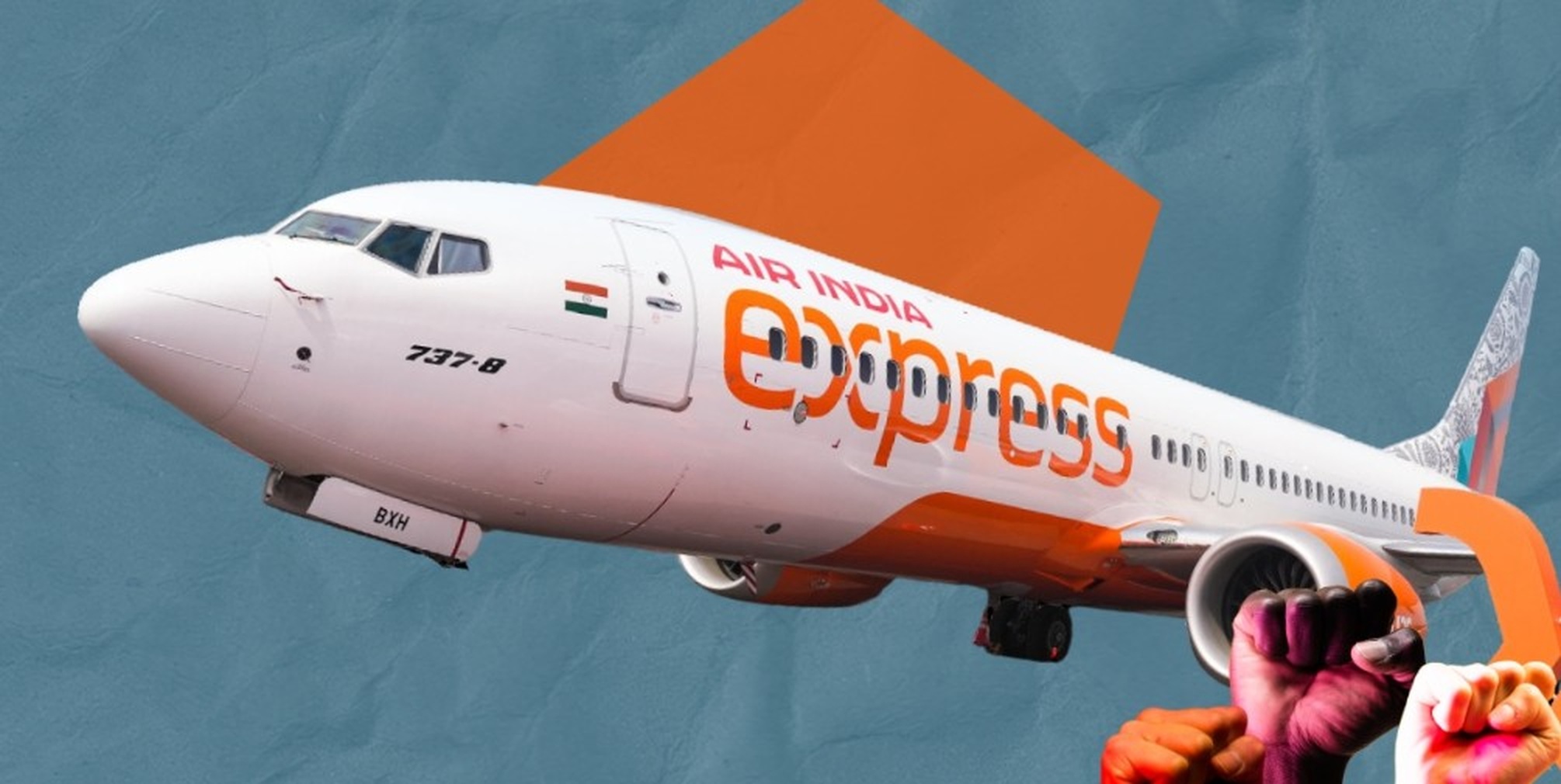
The Tata-owned airline’s steadfast refusal to engage meaningfully with the protesting pilots is a perfect example of how not to handle an industrial dispute.



Editor's note: Air India’s last-ditch efforts to quell discontent among its pilots have fallen flat. The Tata-owned airline had set 24 April as the deadline for its pilots to accept the revised pay structure and service conditions, which had been rolled out a week earlier. The majority of the pilots turned down the offer. The revamped structure invited backlash on Twitter. Two Air India pilot unions also shot off letters to the management in protest, and one to Ratan Tata, the Tata group’s chairman emeritus who is a trained pilot himself. This came as a setback to the airline’s management. Getting pilots on board with the new pay structure was key to chief executive Campbell Wilson’s ambitious plan to expand Air India’s fleet and network—part of the airline’s five-year turnaround strategy after the Tata group acquired it in January last year. But the notice about the revised pay structure had the pilots all riled up. “It’s not just about money and minimum flying hours. But it’s more about how the letter was worded and also how clauses in the contract provide a …

The Tata-owned airline’s steadfast refusal to engage meaningfully with the protesting pilots is a perfect example of how not to handle an industrial dispute.
Editor's note: Air India’s last-ditch efforts to quell discontent among its pilots have fallen flat. The Tata-owned airline had set 24 April as the deadline for its pilots to accept the revised pay structure and service conditions, which had been rolled out a week earlier. The majority of the pilots turned down the offer. The revamped structure invited backlash on Twitter. Two Air India pilot unions also shot off letters to the management in protest, and one to Ratan Tata, the Tata group’s chairman emeritus who is a trained pilot himself. This came as a setback to the airline’s management. Getting pilots on board with the new pay structure was key to chief executive Campbell Wilson’s ambitious plan to expand Air India’s fleet and network—part of the airline’s five-year turnaround strategy after the Tata group acquired it in January last year. But the notice about the revised pay structure had the pilots all riled up. “It’s not just about money and minimum flying hours. But it’s more about how the letter was worded and also how clauses in the contract provide a …
As the low-cost carrier pushes through a compensation overhaul, the absence of a CEO is complicating a delicate moment.
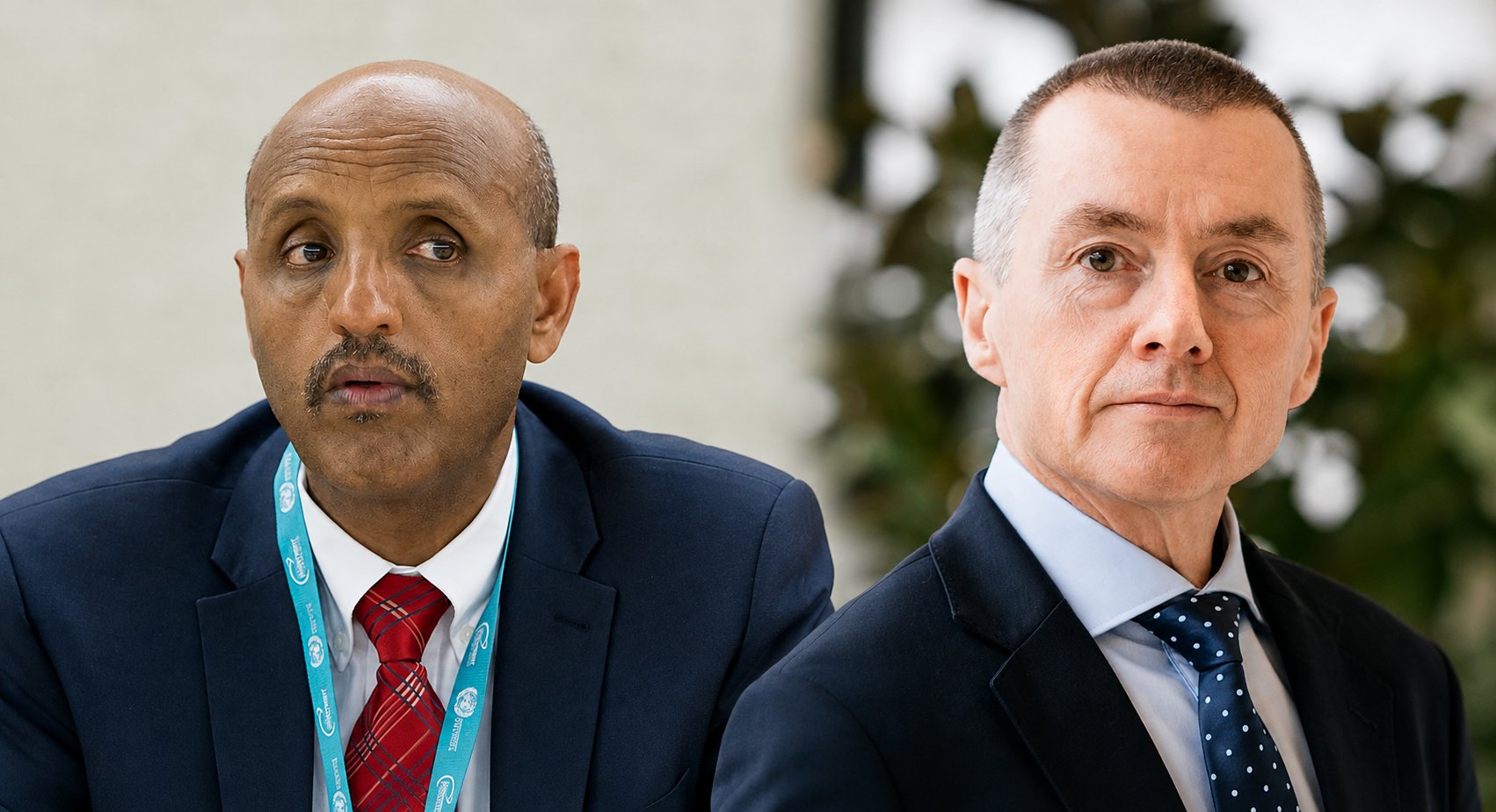
The two new chief executives at Air India and IndiGo come with contrasting reputations but face the same challenge—do their predecessors one better.
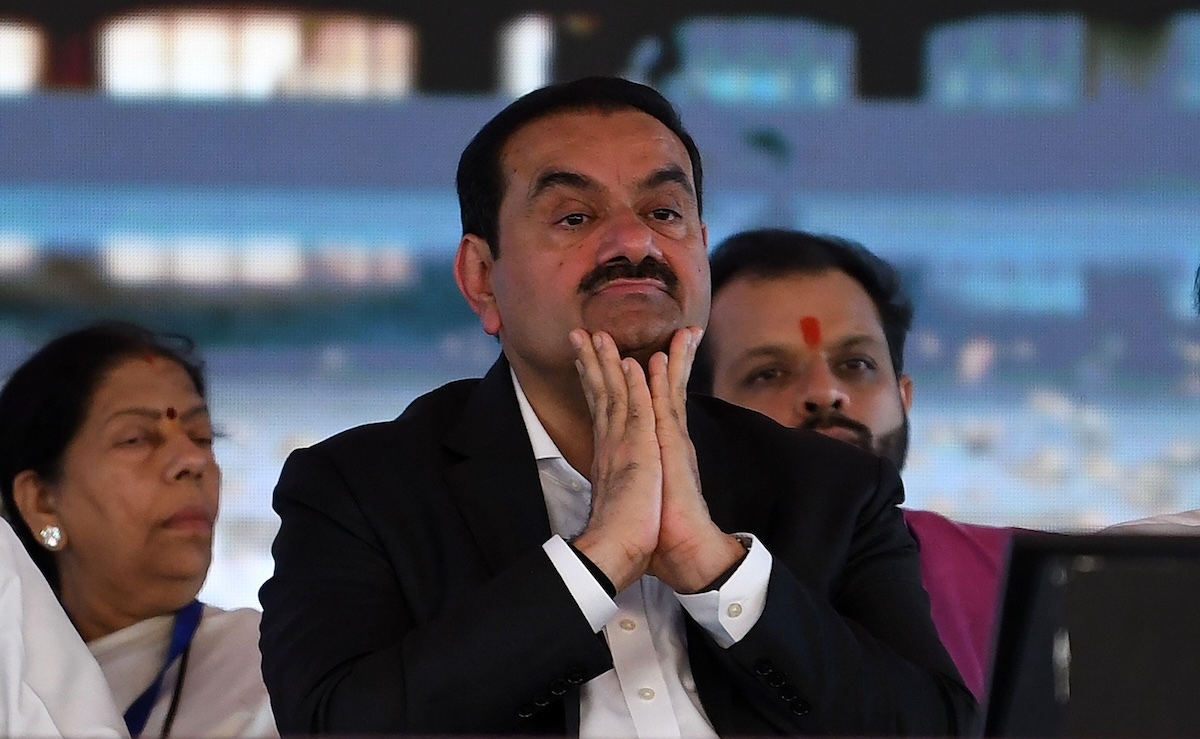
A regulatory easing could see the billionaire’s conglomerate move from running airports to owning an airline—an idea he is warming up to, with multiple options open.
As the low-cost carrier pushes through a compensation overhaul, the absence of a CEO is complicating a delicate moment.
The two new chief executives at Air India and IndiGo come with contrasting reputations but face the same challenge—do their predecessors one better.
A regulatory easing could see the billionaire’s conglomerate move from running airports to owning an airline—an idea he is warming up to, with multiple options open.