/
•
•
Detailed stories on technology startups, business and economic current affairs.
The banking regulator’s latest circular seems to be another attempt at fixing auditors while ignoring the issues that plague audit quality.



Editor's note: No company collapses due to an audit failure and no company collapses without an audit failure. Nearly every recent case of fraud has proved this adage true. So, it was in the natural order of things that the Reserve Bank of India, in a circular in April, tried to bring auditors in general, and the Big 4 audit firms in particular, to heel. The Punjab National Bank scam of 2017-18, in which the government is spending crores to bring the fugitive diamantaire duo of Nirav Modi and Mehul Choksi home to face justice, involved an internal audit failure. The Rs 1 lakh crore Infrastructure Leasing & Financial Services scam of 2018 was a case of auditors—BSR and Co. and Deloitte India—allegedly not detecting circular rotation of funds and convoluted structures. The Yes Bank scam, which involved granting high-value loans against kickbacks, led to RBI banning EY member firm S.R. Batliboi & Co. from auditing banks for a year. That’s not all. The Dewan Housing Finance Corp. Ltd scam of 2019-20 had actually been in the making for a decade was …

The banking regulator’s latest circular seems to be another attempt at fixing auditors while ignoring the issues that plague audit quality.
Editor's note: No company collapses due to an audit failure and no company collapses without an audit failure. Nearly every recent case of fraud has proved this adage true. So, it was in the natural order of things that the Reserve Bank of India, in a circular in April, tried to bring auditors in general, and the Big 4 audit firms in particular, to heel. The Punjab National Bank scam of 2017-18, in which the government is spending crores to bring the fugitive diamantaire duo of Nirav Modi and Mehul Choksi home to face justice, involved an internal audit failure. The Rs 1 lakh crore Infrastructure Leasing & Financial Services scam of 2018 was a case of auditors—BSR and Co. and Deloitte India—allegedly not detecting circular rotation of funds and convoluted structures. The Yes Bank scam, which involved granting high-value loans against kickbacks, led to RBI banning EY member firm S.R. Batliboi & Co. from auditing banks for a year. That’s not all. The Dewan Housing Finance Corp. Ltd scam of 2019-20 had actually been in the making for a decade was …

The central bank’s shift to a 100% collateral requirement threatens to erode leverage, reduce volumes and force a consolidation across prop desks.

High returns, RBI-regulated comfort, and easy withdrawals drew investors in. Now, with repayments drying up, the fintech platform, its NBFC partner, and the regulator are pointing fingers—leaving customers to chase their own money.
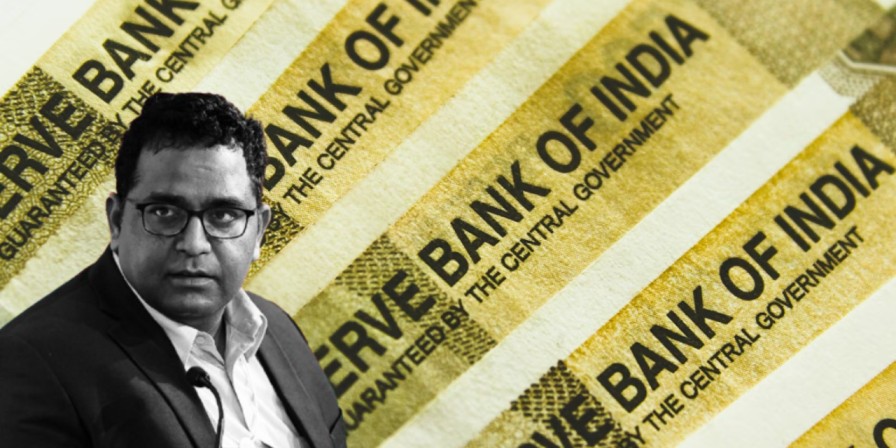
The RBI’s unusually harsh order raises deeper questions about management credibility—and whether investors should take assurances at face value.
The central bank’s shift to a 100% collateral requirement threatens to erode leverage, reduce volumes and force a consolidation across prop desks.
High returns, RBI-regulated comfort, and easy withdrawals drew investors in. Now, with repayments drying up, the fintech platform, its NBFC partner, and the regulator are pointing fingers—leaving customers to chase their own money.
The RBI’s unusually harsh order raises deeper questions about management credibility—and whether investors should take assurances at face value.