/
•
•
Detailed stories on technology startups, business and economic current affairs.
The billionaire co-founder of Flipkart’s quest for a full banking licence is one paper away from fruition. What are his chances?




In September 2019, the co-founder of India’s star e-commerce, Sachin Bansal, was not the first suitor of an insurance business that was on the block. Beleaguered home finance company DHFL’s parent WGC was selling its stake in its general insurance unit to bring down its liabilities and wanted to exit quickly. Another tech entrepreneur, Paytm’s Vijay Shekhar Sharma, was already at the door offering more money, but wouldn’t sign the dotted line until December.
But WGC could not wait and decided to exclusively deal with Bansal as he seemed a surer suitor. The due diligence prolonged and it was not …
The UAE is looking at its first public listing of the year while Egypt just delivered a big one; OpenAI’s bugging accused has ties to Saudi Arabia; and other updates from the week.
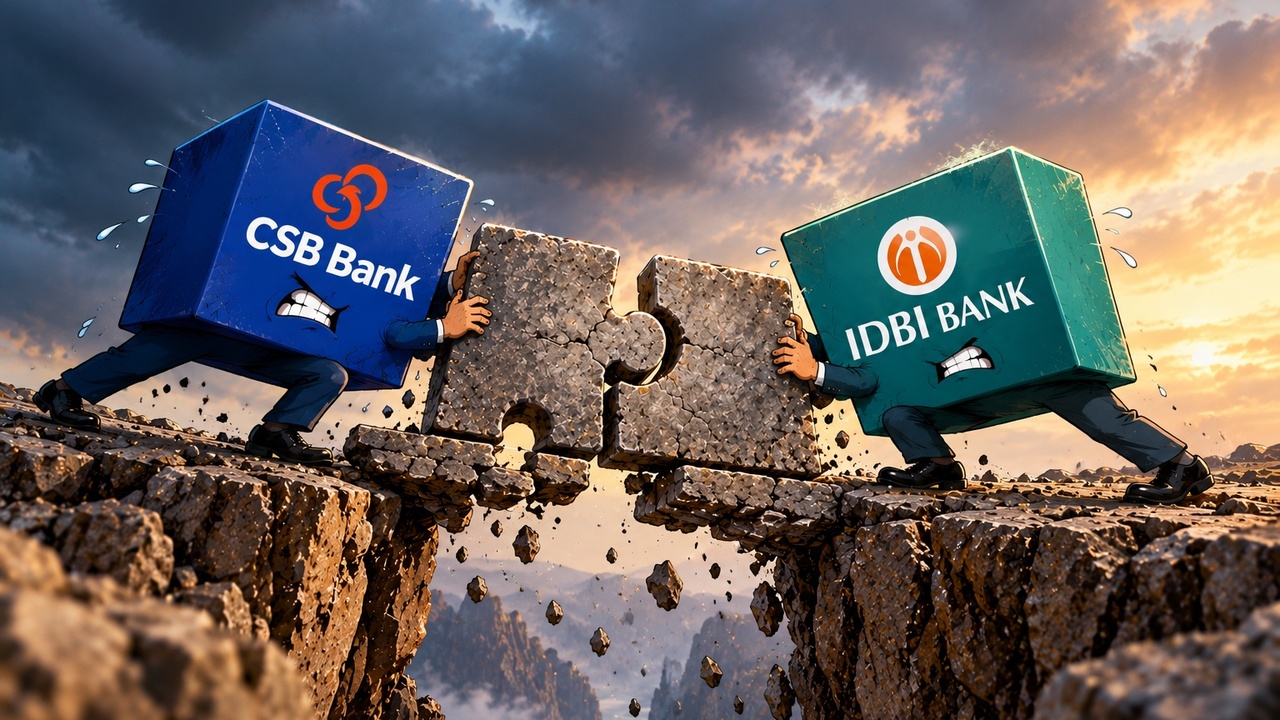
The acquisition of IDBI Bank puts his Fairfax smack dab in the middle of the RBI’s rules on bank ownership. It must now decide whether to sell CSB Bank or merge the two lenders, neither of which will be easy.

Lenders stand to gain a lot more than borrowers in the current challenging market environment