/
•
•
Detailed stories on technology startups, business and economic current affairs.
The group’s founder and chairman is paring his holdings and stepping away from the driver’s seat. Will it help Indiabulls chart a new course?


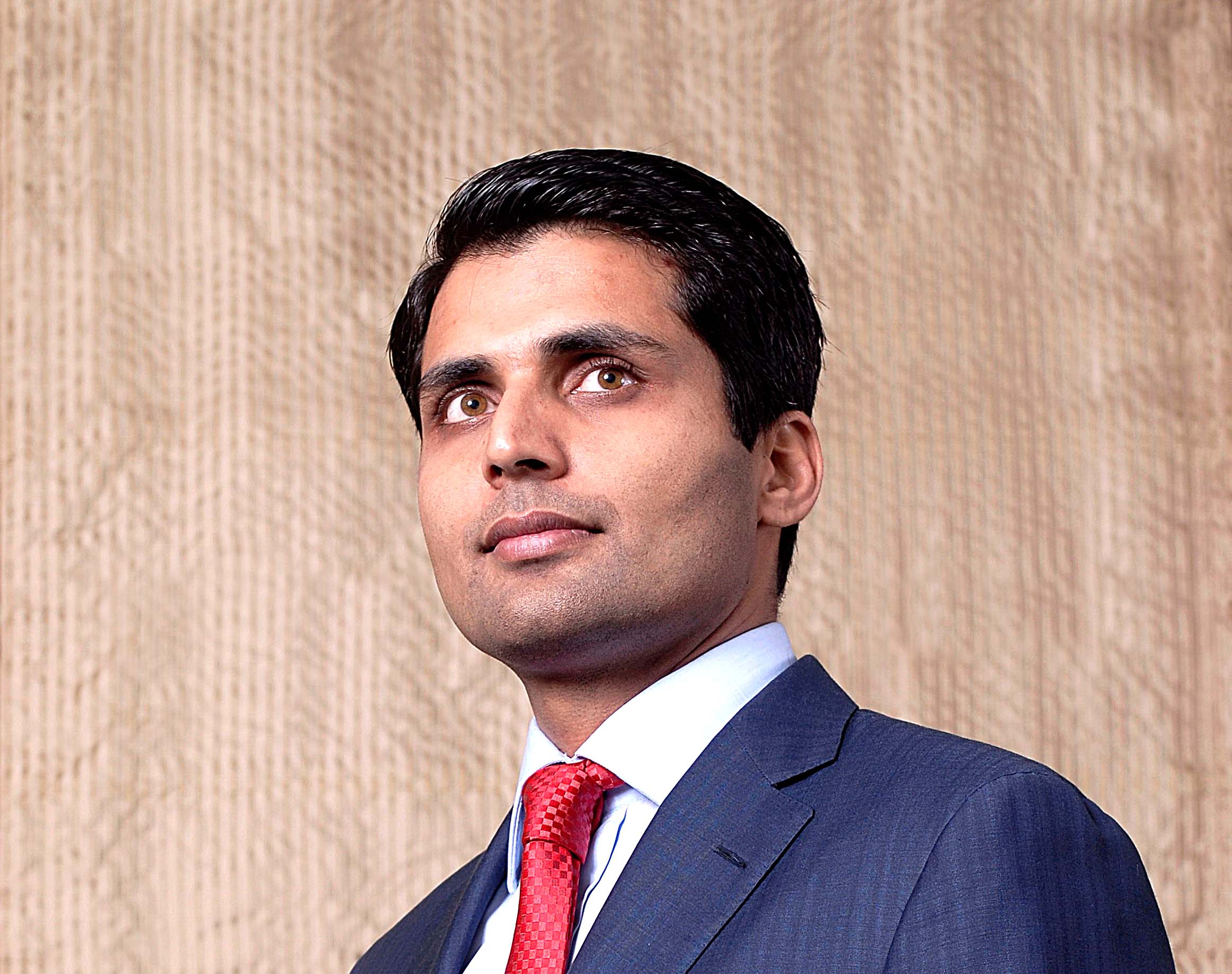
Editor's note: Not once. Sameer Gehlaut failed twice. That must have hurt someone who is used to having his way. Unable to get a banking licence, the Indiabulls Group founder and chairman has now changed tack. Gehlaut is stepping away even as the Indiabulls Group is charting a new course after two decades of operating in the real estate and shadow banking sectors. The group, which started as an online brokerage firm in 1999, expanded into lending, real estate and power over time; recently it has added pharmaceuticals and healthcare. Among all these verticals, the group’s flagship entities are Indiabulls Housing Finance Ltd (IBHFL), Dhani Services Ltd (formerly Indiabulls Ventures) and Indiabulls Real Estate Ltd (IBREL). Their combined market capitalization stands at over Rs 17,300 crore as on date. It is no secret that Gehlaut always wanted to turn IBHFL into a bank. The company's first attempt was in 2010, when the Reserve Bank of India announced that it would hand out new banking licences. While IBHFL subsequently backed out, RBI went on to grant 23 new licences in the following years, …

The group’s founder and chairman is paring his holdings and stepping away from the driver’s seat. Will it help Indiabulls chart a new course?
Editor's note: Not once. Sameer Gehlaut failed twice. That must have hurt someone who is used to having his way. Unable to get a banking licence, the Indiabulls Group founder and chairman has now changed tack. Gehlaut is stepping away even as the Indiabulls Group is charting a new course after two decades of operating in the real estate and shadow banking sectors. The group, which started as an online brokerage firm in 1999, expanded into lending, real estate and power over time; recently it has added pharmaceuticals and healthcare. Among all these verticals, the group’s flagship entities are Indiabulls Housing Finance Ltd (IBHFL), Dhani Services Ltd (formerly Indiabulls Ventures) and Indiabulls Real Estate Ltd (IBREL). Their combined market capitalization stands at over Rs 17,300 crore as on date. It is no secret that Gehlaut always wanted to turn IBHFL into a bank. The company's first attempt was in 2010, when the Reserve Bank of India announced that it would hand out new banking licences. While IBHFL subsequently backed out, RBI went on to grant 23 new licences in the following years, …

The central bank’s shift to a 100% collateral requirement threatens to erode leverage, reduce volumes and force a consolidation across prop desks.
FY26 numbers show that Airtel is stealing a march on its larger rival on most counts and is unrelenting in its ambition, casting a cloud on Jio’s valuation.
Telecom and retail both continue with their ‘hit and miss’, while O2C delivers an unsurprisingly poor performance in Q4. This is a year RIL will be glad to see the back of.
The central bank’s shift to a 100% collateral requirement threatens to erode leverage, reduce volumes and force a consolidation across prop desks.
FY26 numbers show that Airtel is stealing a march on its larger rival on most counts and is unrelenting in its ambition, casting a cloud on Jio’s valuation.
Telecom and retail both continue with their ‘hit and miss’, while O2C delivers an unsurprisingly poor performance in Q4. This is a year RIL will be glad to see the back of.