/
•
•
Detailed stories on technology startups, business and economic current affairs.
A combination of acquiring ports and building a logistics network gives the conglomerate unparalleled supremacy in the import-export market.



Editor's note: In recent times, Gautam Adani has been in the news for his forays into airports, green energy and cement. Not so much the ports business. Yet, that’s where his Adani group has quietly built a dominance that’s unparalleled and without any competition. Since January 2020, group company Adani Ports and Special Economic Zone, or APSEZ, has spent nearly Rs 39,000 crore on acquiring new ports across the country. This, coupled with a rebound in foreign trade after two years has seen Adani solidify his group’s presence at the centre of the action. APSEZ is now India’s largest private port operator, owning a significant share of the market. Around 30% of all cargo and more than 40% of all shipping containers landing on or departing from Indian shores end up docking at an Adani-owned port before moving on to their next destination. In 2021-22, the company handled 312 million metric tonnes of cargo and 8.2 million twenty-foot equivalent units, or TEUs, worth of containers. “All the steel Maruti needs is warehoused by Adani because nobody else can do it. Almost 50% …

A combination of acquiring ports and building a logistics network gives the conglomerate unparalleled supremacy in the import-export market.
Editor's note: In recent times, Gautam Adani has been in the news for his forays into airports, green energy and cement. Not so much the ports business. Yet, that’s where his Adani group has quietly built a dominance that’s unparalleled and without any competition. Since January 2020, group company Adani Ports and Special Economic Zone, or APSEZ, has spent nearly Rs 39,000 crore on acquiring new ports across the country. This, coupled with a rebound in foreign trade after two years has seen Adani solidify his group’s presence at the centre of the action. APSEZ is now India’s largest private port operator, owning a significant share of the market. Around 30% of all cargo and more than 40% of all shipping containers landing on or departing from Indian shores end up docking at an Adani-owned port before moving on to their next destination. In 2021-22, the company handled 312 million metric tonnes of cargo and 8.2 million twenty-foot equivalent units, or TEUs, worth of containers. “All the steel Maruti needs is warehoused by Adani because nobody else can do it. Almost 50% …
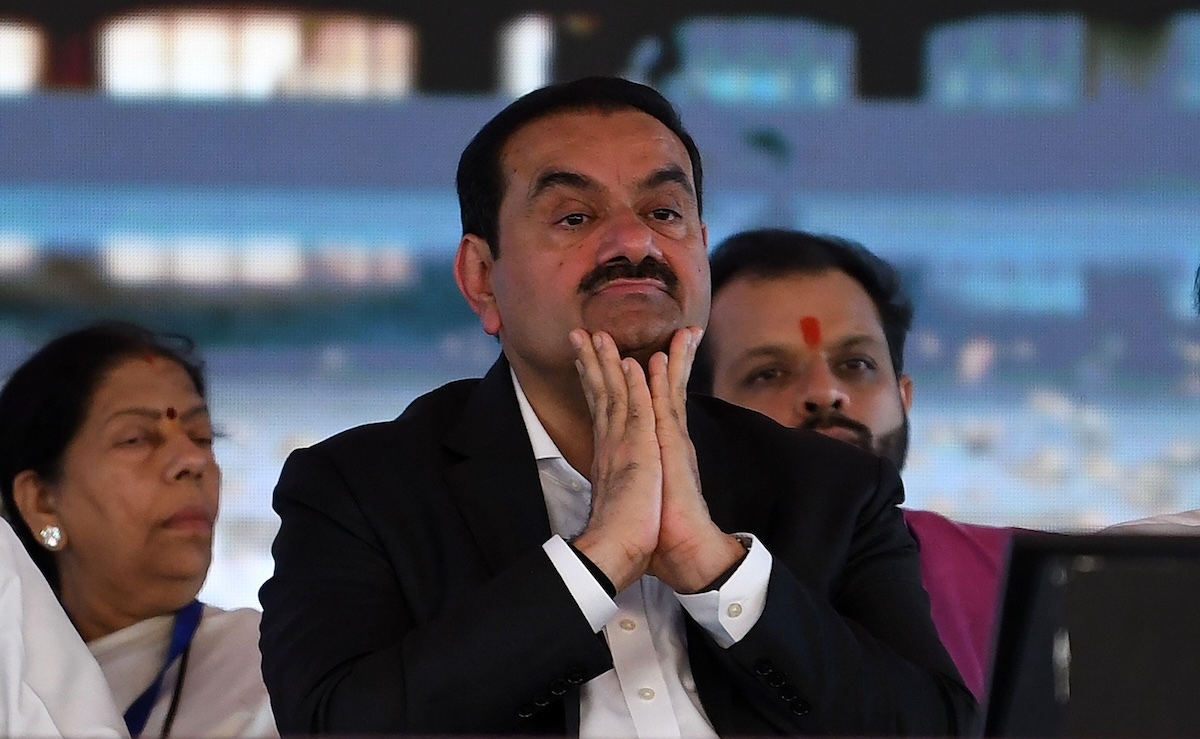
A regulatory easing could see the billionaire’s conglomerate move from running airports to owning an airline—an idea he is warming up to, with multiple options open.
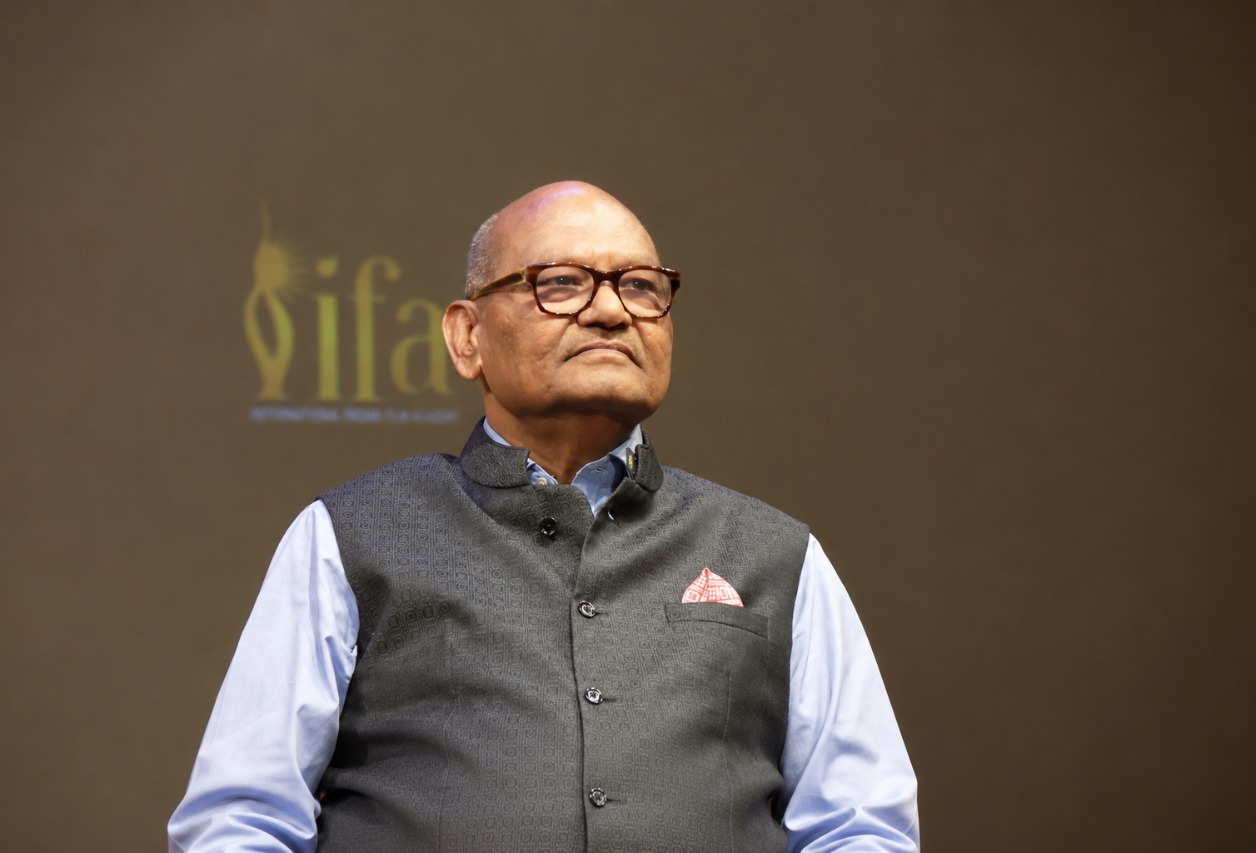
After a strong listing, Vedanta Aluminium Metal is running into some headwinds. Aluminium prices are easing, but the sharper challenge is rising competition from Kumar Mangalam Birla and Gautam Adani.
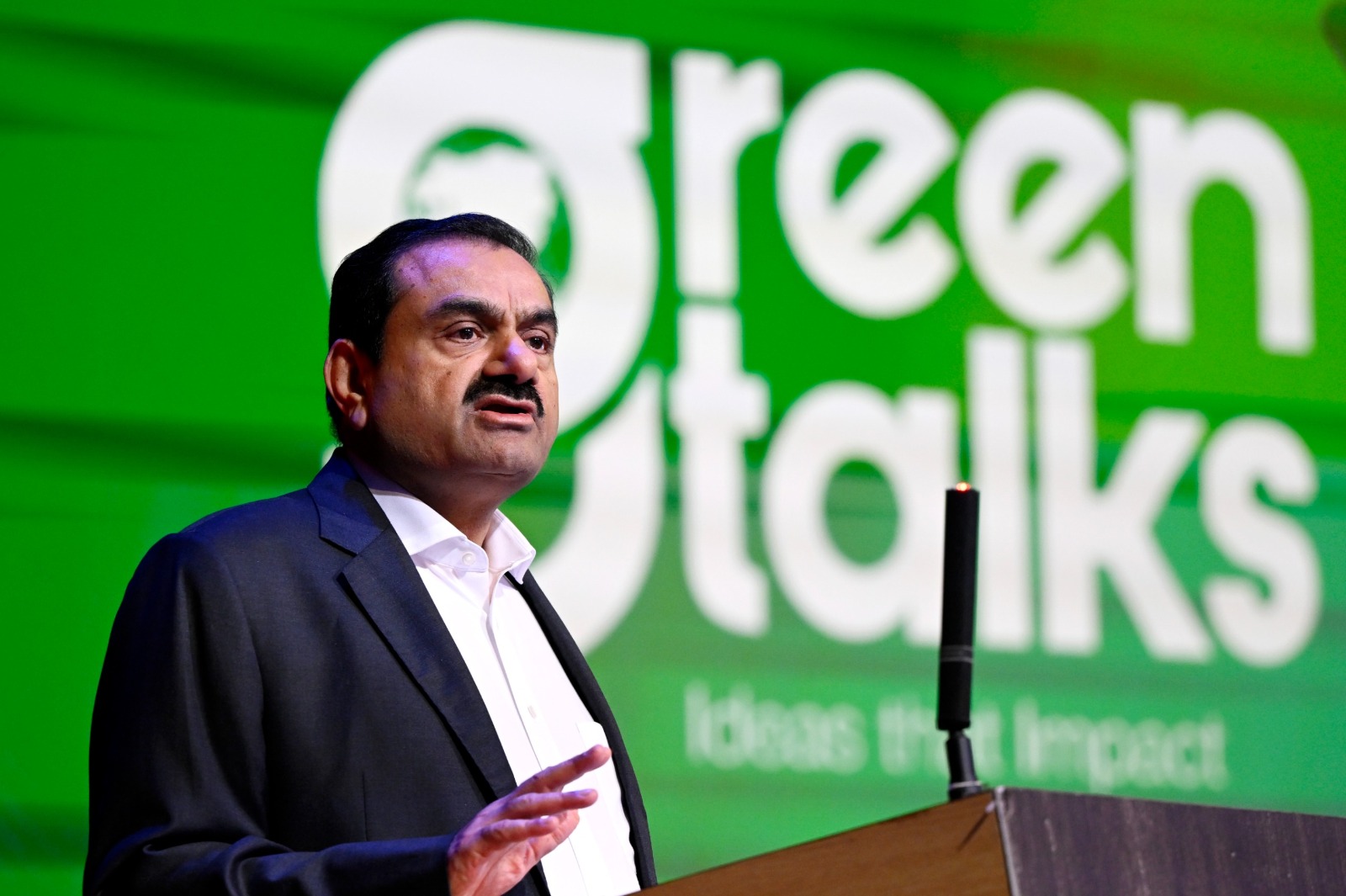
A proposed SEC settlement lifts the biggest overhang on the Adani Group—its access to US capital markets.
A regulatory easing could see the billionaire’s conglomerate move from running airports to owning an airline—an idea he is warming up to, with multiple options open.
After a strong listing, Vedanta Aluminium Metal is running into some headwinds. Aluminium prices are easing, but the sharper challenge is rising competition from Kumar Mangalam Birla and Gautam Adani.
A proposed SEC settlement lifts the biggest overhang on the Adani Group—its access to US capital markets.