/
•
•
Detailed stories on technology startups, business and economic current affairs.
However, unlike global tech firms which reported a spectacular quarter, the results of Indian firms are clearly a mixed bag.




Three companies. Three diverse results. Still, shares of all three trade higher. This is how the story played out at Tata Consultancy Services Ltd, Infosys Ltd and Wipro Ltd, over the past 10 days.
The COVID-19 pandemic and lockdowns in many parts of the world over the last few months have boosted the use of online communications; a prolonged lockdown in India saw more than a million programmers work from home. The effects have been telling on the results of global technology companies, many of whom reported strong quarterly earnings reports.
Salesforce turned in a record 31% year-on-year revenue growth …

A month on, CAS has only amplified volatility, manipulation and confusion rather than containing them.
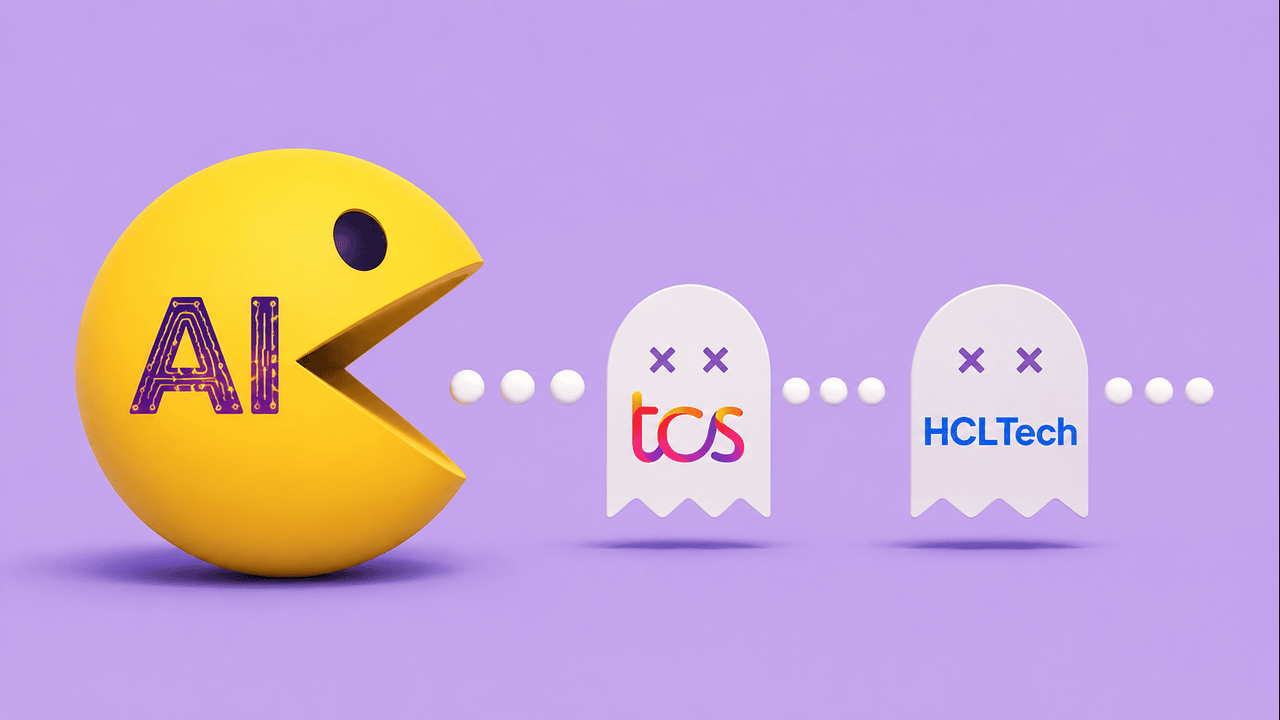
TCS CEO Krithivasan’s stunning disclosure lays bare a bind: AI is forcing IT services giants to give away a chunk of renegotiated contract value, even as new revenue remains lumpy and uncertain.
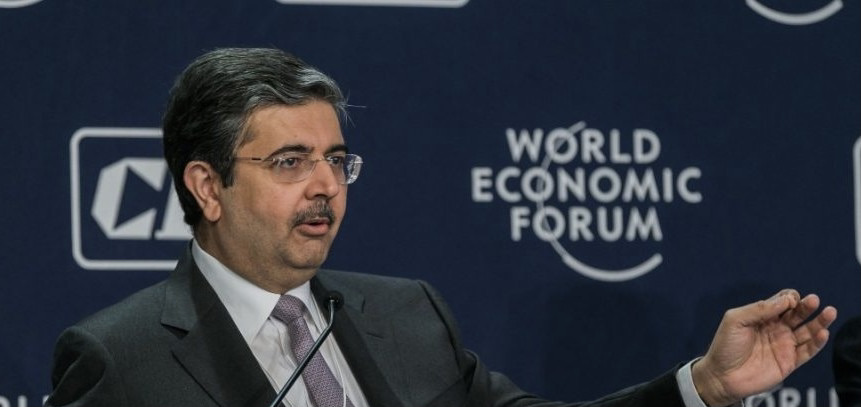
The retired banker wants India’s top companies to invest in AI. But the capital, ambition, and urgency simply aren’t there.