/
•
•
Detailed stories on technology startups, business and economic current affairs.
The coronavirus outbreak is wreaking havoc on the already troubled restaurant businesses.



Editor's note: We don’t have a paywall for most of our stories on Coronavirus and its impact. Support us and subscribe here. It was the emptiness that crushed them first. Once bustling and overflowing with people, Indian restaurants had started to go quiet. The regulars stopped showing up sometime early in March. The sound of friends talking over drinks, waiters moving in and out of the kitchen, the smell of cut vegetables and the whiff of alcohol had just started to fade into the coronavirus scare that has now engulfed the entire world. With the sanitizers and disinfectants in place, there was still hope that diners would be back. Except they never did. Days passed, and the footfalls dropped by more than 30%. And before the restaurant companies could do anything, the decline snowballed into something they could not have fathomed—a complete lockdown. “I have not seen anything like this in almost 30 years. That’s as long as I have been in this business,” says Anurag Katriar, executive director and CEO at deGustibus Hospitality, which owns restaurant brands such as Indigo Deli, …
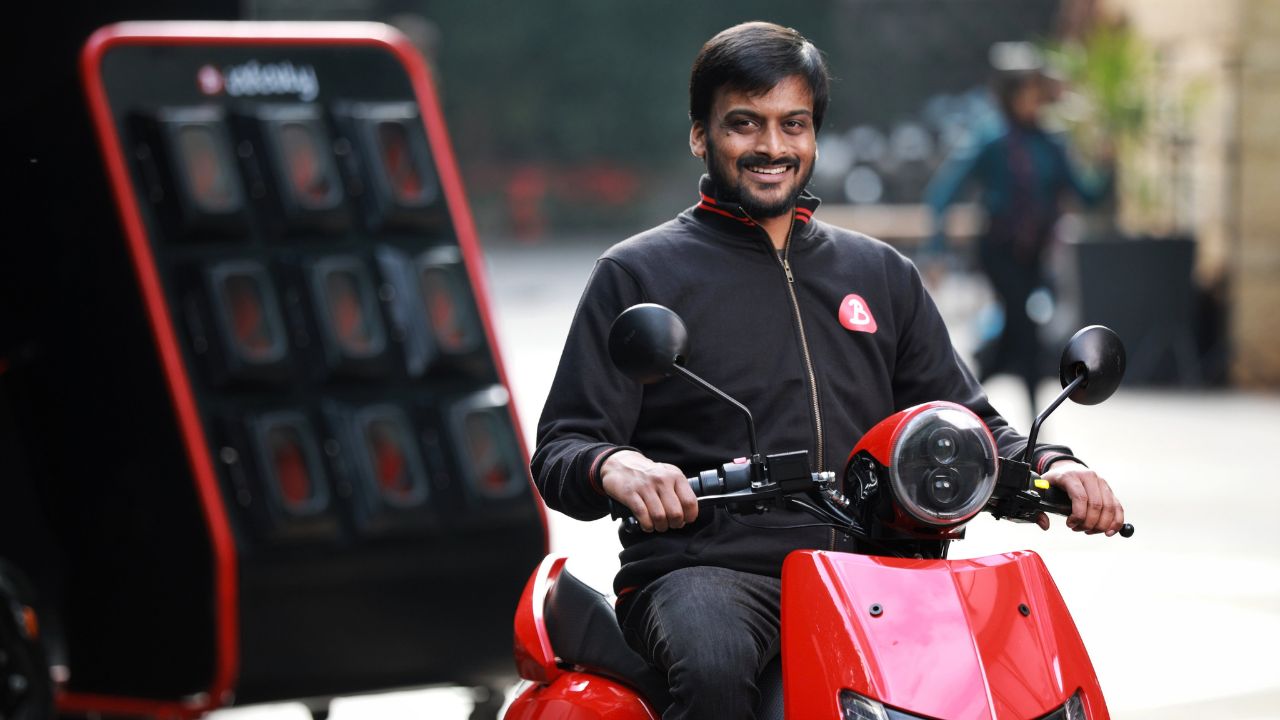
The coronavirus outbreak is wreaking havoc on the already troubled restaurant businesses.
Editor's note: We don’t have a paywall for most of our stories on Coronavirus and its impact. Support us and subscribe here. It was the emptiness that crushed them first. Once bustling and overflowing with people, Indian restaurants had started to go quiet. The regulars stopped showing up sometime early in March. The sound of friends talking over drinks, waiters moving in and out of the kitchen, the smell of cut vegetables and the whiff of alcohol had just started to fade into the coronavirus scare that has now engulfed the entire world. With the sanitizers and disinfectants in place, there was still hope that diners would be back. Except they never did. Days passed, and the footfalls dropped by more than 30%. And before the restaurant companies could do anything, the decline snowballed into something they could not have fathomed—a complete lockdown. “I have not seen anything like this in almost 30 years. That’s as long as I have been in this business,” says Anurag Katriar, executive director and CEO at deGustibus Hospitality, which owns restaurant brands such as Indigo Deli, …

Vish Narain of Pulsar Capital on spotting real synergies between India and the Gulf, and why many entrepreneurs read the market wrong.
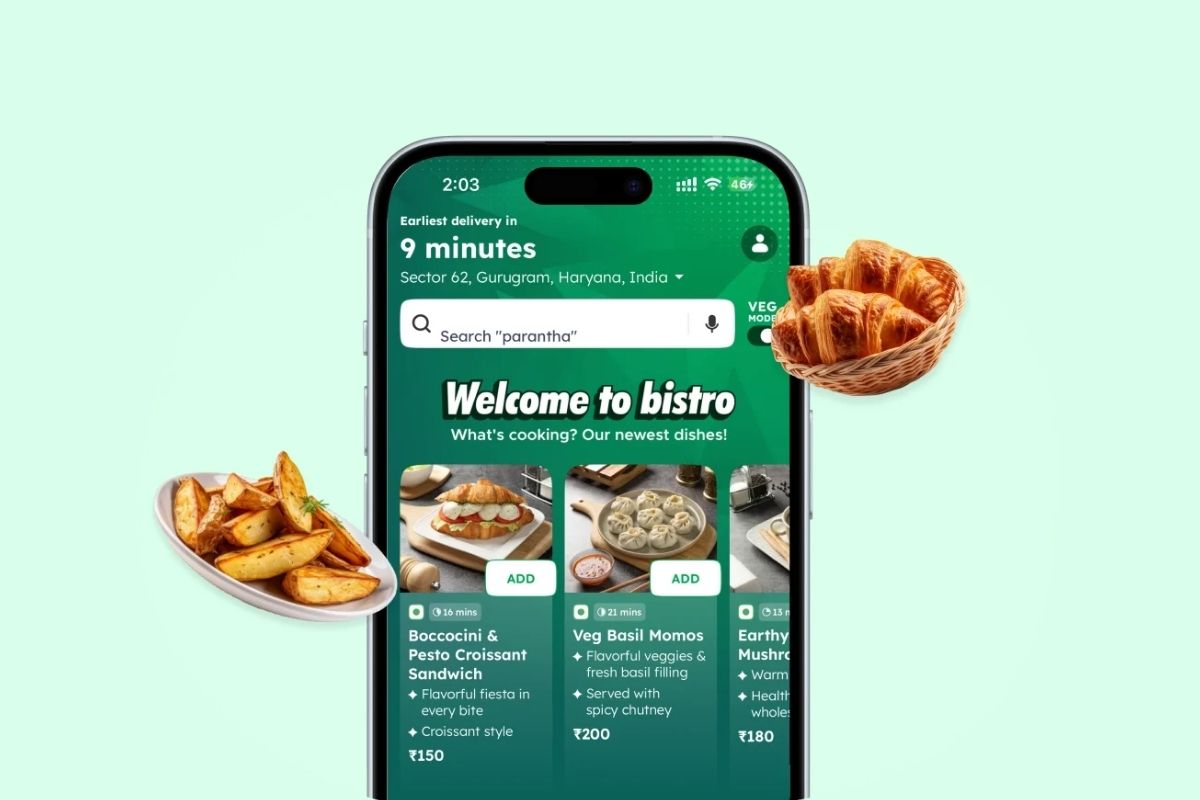
Bistro may look like a response to Swiggy and Rapido’s 'budget' food delivery apps, but the similarities end at affordability—the playbooks are fundamentally different.
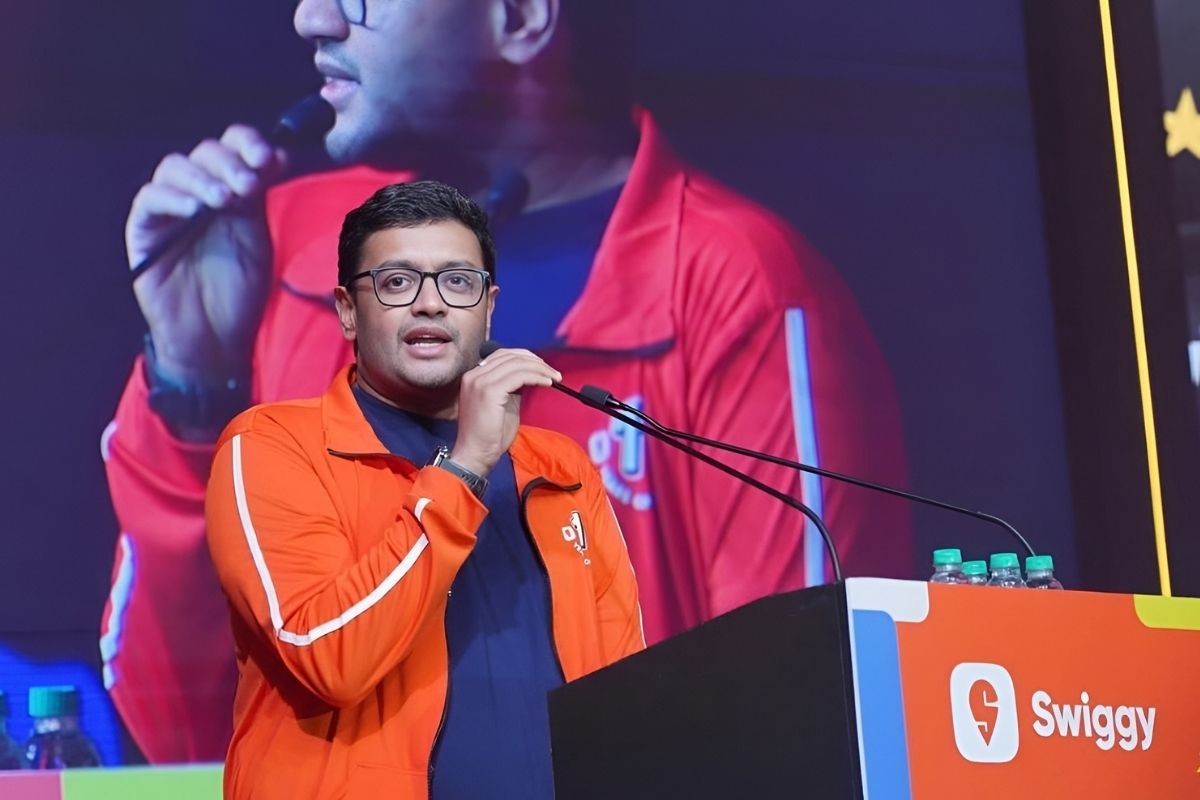
In light of the recent exits of top executives at Swiggy’s quick commerce business, we look at the reasons behind the departures and whether it’s impacting the business.
Vish Narain of Pulsar Capital on spotting real synergies between India and the Gulf, and why many entrepreneurs read the market wrong.
Bistro may look like a response to Swiggy and Rapido’s 'budget' food delivery apps, but the similarities end at affordability—the playbooks are fundamentally different.
In light of the recent exits of top executives at Swiggy’s quick commerce business, we look at the reasons behind the departures and whether it’s impacting the business.