/
•
•
Detailed stories on technology startups, business and economic current affairs.
While Mahindra is well on its way to outperforming Tata, it’s a close contest between two of the country’s oldest automakers.




If your vehicle’s performance is all you care about, driving in city traffic can be a great leveller. It won’t matter if you have the fastest car: There is a good chance that your poor cousin will catch up with you at the next signal. He may even edge ahead of you several times. The winner in getting from point A to point B can be just unpredictable. But then, I’m sure that won’t determine what car you eventually buy.
A similar analogy may well be playing out between two of India’s oldest automobile companies, Tata Motors and Mahindra & …
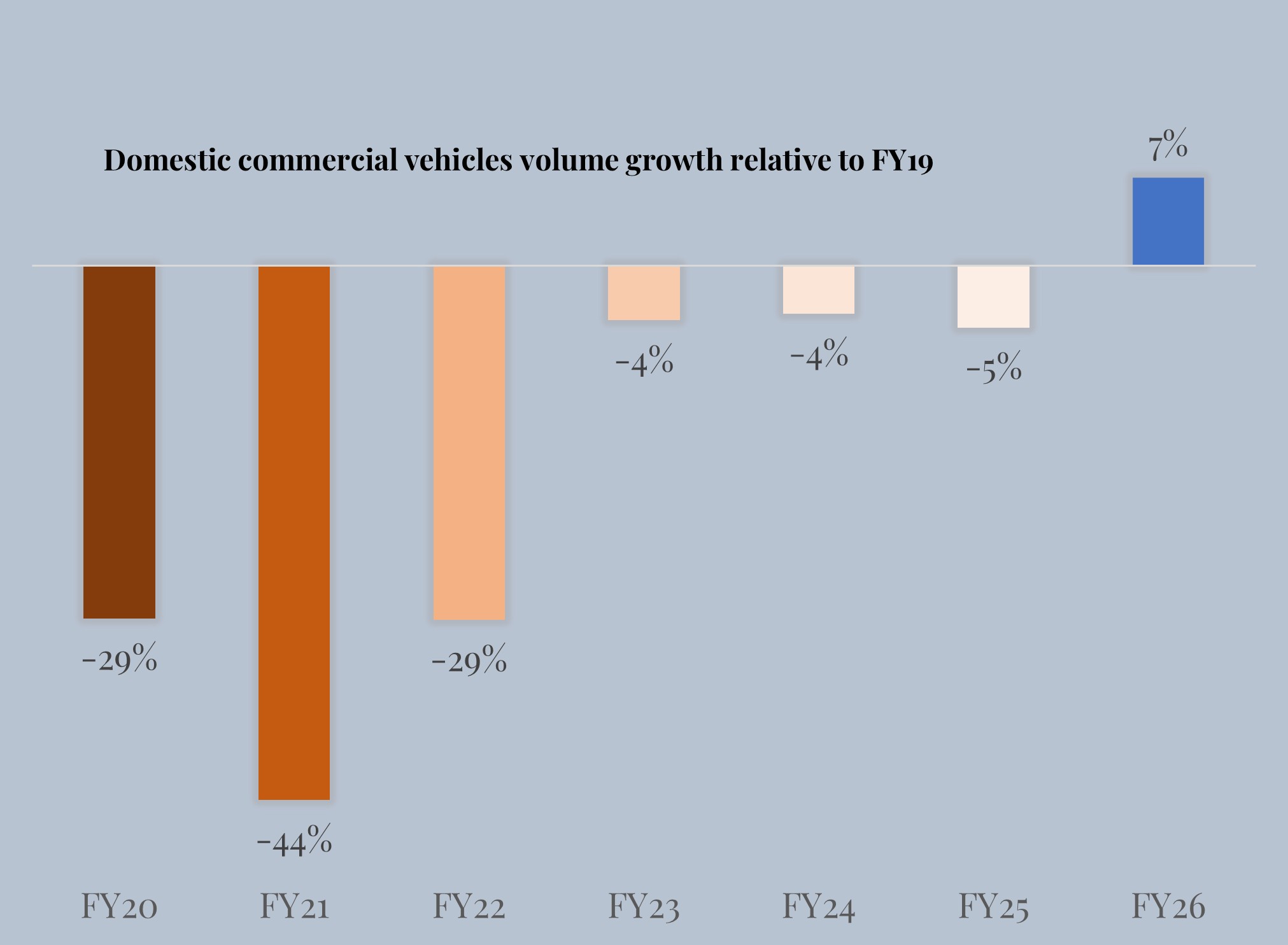
FY26 numbers for the three major CV makers show resilience and all-around growth. This doesn’t look anything like the undifferentiated sector it once was.
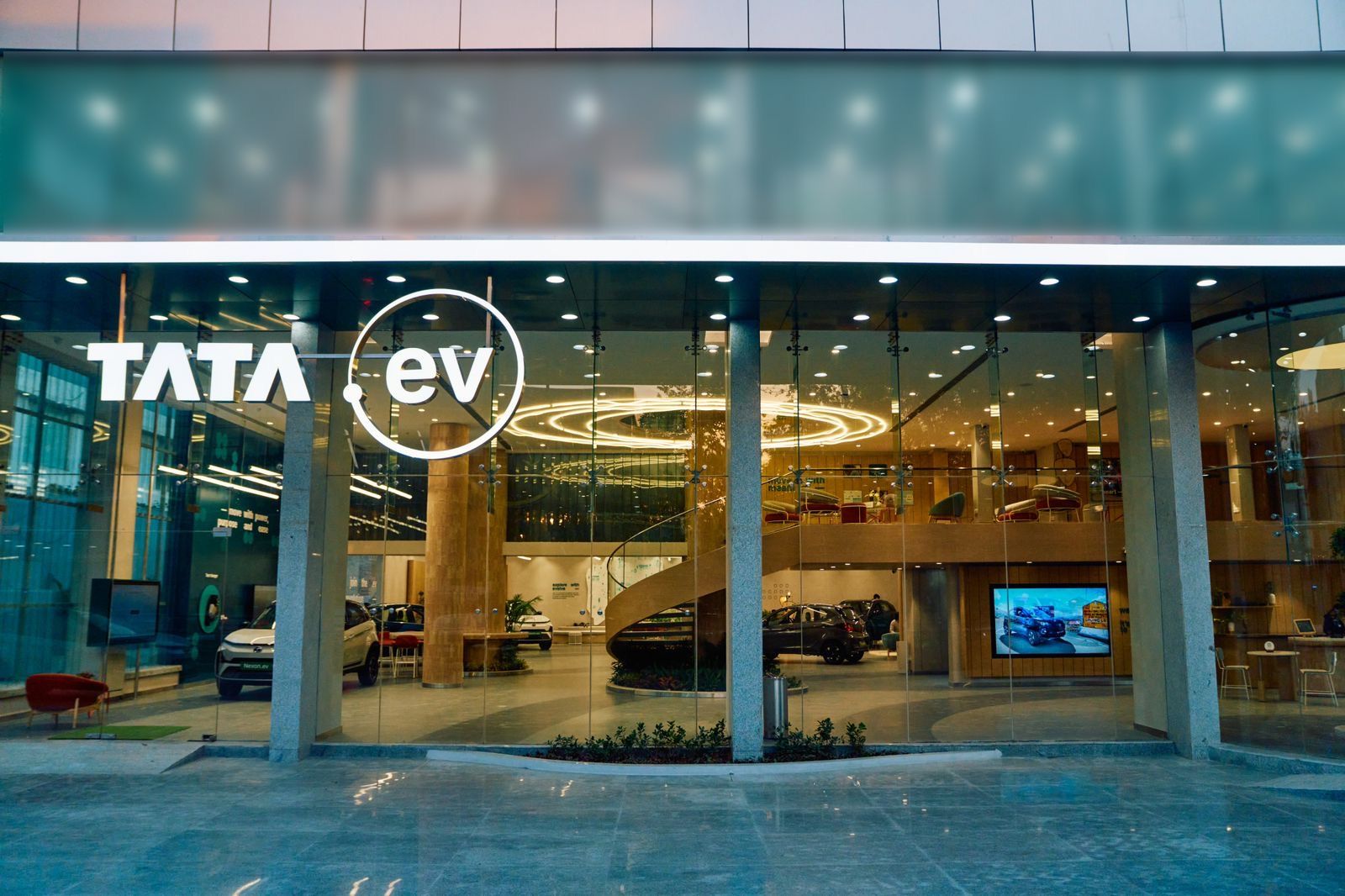
The automaker that virtually created India’s electric car market is forced to offer record discounts, even as rivals surge and competition is set to get fiercer.
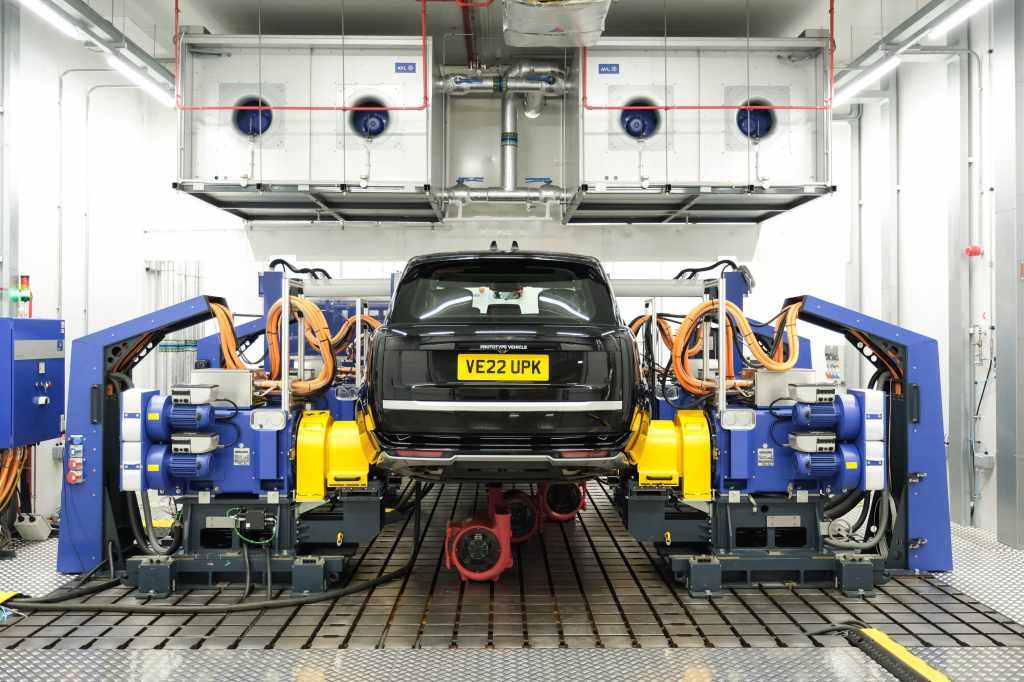
What began as an operational outage has turned into a data breach affecting employees (past and present), exposing governance gaps that could prove costly for the UK automaker and the Tata group.