/
•
•
Detailed stories on technology startups, business and economic current affairs.
Reliance’s cash generation will soon be significantly higher than what it can deploy in business. That is not going to help its return on capital employed, already at historic lows.



Editor's note: Last Friday, Reliance Industries, India’s most valuable company, announced its annual earnings, which the company said was its best ever performance yet. On a consolidated basis, which includes the oil and gas business, digital (Jio Platforms and telecom) and retail business, net profit stood at Rs 74,088 crore on a total revenue of Rs 879,468 crore for the 2022-23 fiscal year. Its EBITDA, or earnings before interest, taxes, depreciation and amortization, crossed Rs 150,000 crore for the first time. The company said that the good performance came from across the board. While its mainstay refining and petrochemicals margins made record profits on the back of high global oil prices, its newer, decade-old businesses—telecom and retail—have begun recording good margins, adding to the overall profitability of the company. The digital business had an EBITDA of nearly Rs 50,000 crore, and the retail business had Rs 17,900 crore for the year ended 31 March 2023. Some more financial metrics showed that the company was also in good financial health. Its consolidated net debt to EBITDA is down to 0.8 compared to a …

Reliance’s cash generation will soon be significantly higher than what it can deploy in business. That is not going to help its return on capital employed, already at historic lows.
Editor's note: Last Friday, Reliance Industries, India’s most valuable company, announced its annual earnings, which the company said was its best ever performance yet. On a consolidated basis, which includes the oil and gas business, digital (Jio Platforms and telecom) and retail business, net profit stood at Rs 74,088 crore on a total revenue of Rs 879,468 crore for the 2022-23 fiscal year. Its EBITDA, or earnings before interest, taxes, depreciation and amortization, crossed Rs 150,000 crore for the first time. The company said that the good performance came from across the board. While its mainstay refining and petrochemicals margins made record profits on the back of high global oil prices, its newer, decade-old businesses—telecom and retail—have begun recording good margins, adding to the overall profitability of the company. The digital business had an EBITDA of nearly Rs 50,000 crore, and the retail business had Rs 17,900 crore for the year ended 31 March 2023. Some more financial metrics showed that the company was also in good financial health. Its consolidated net debt to EBITDA is down to 0.8 compared to a …
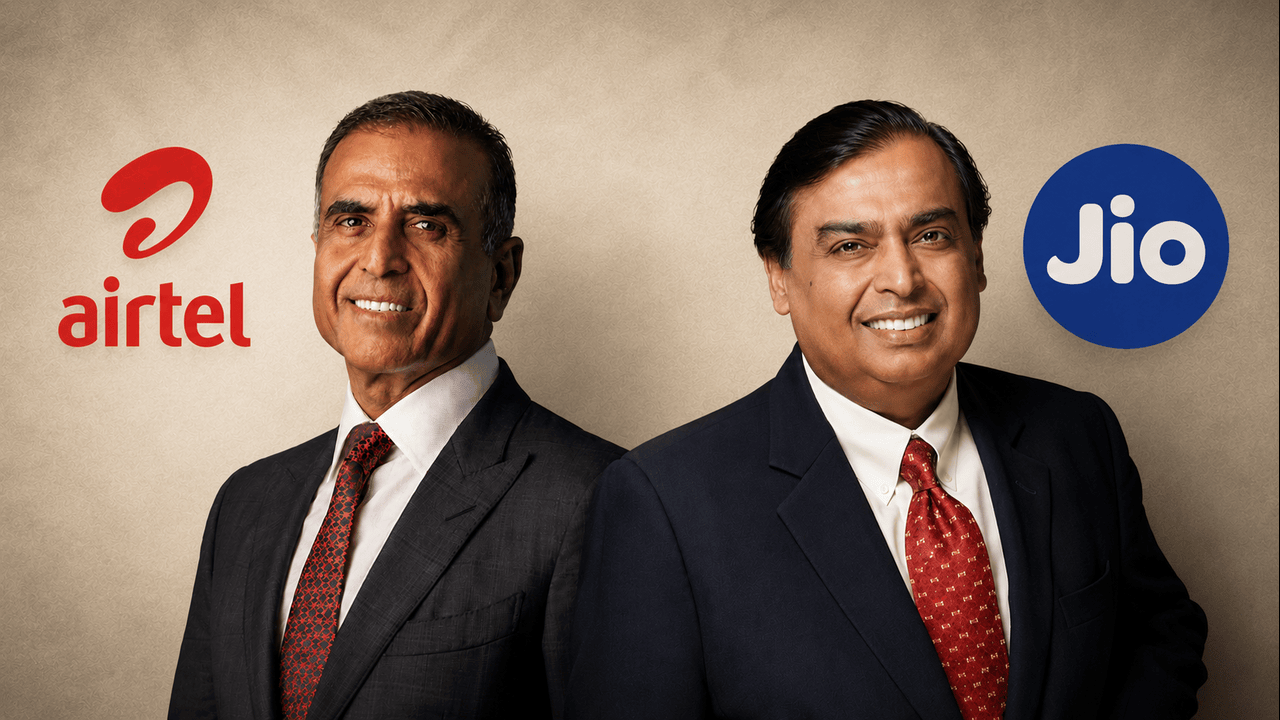
Instead of going after scale like Jio, the Sunil Bharti Mittal-led telecom giant is chasing a smaller but higher-quality customer base to grow its home broadband segment. Will the bet pay off?
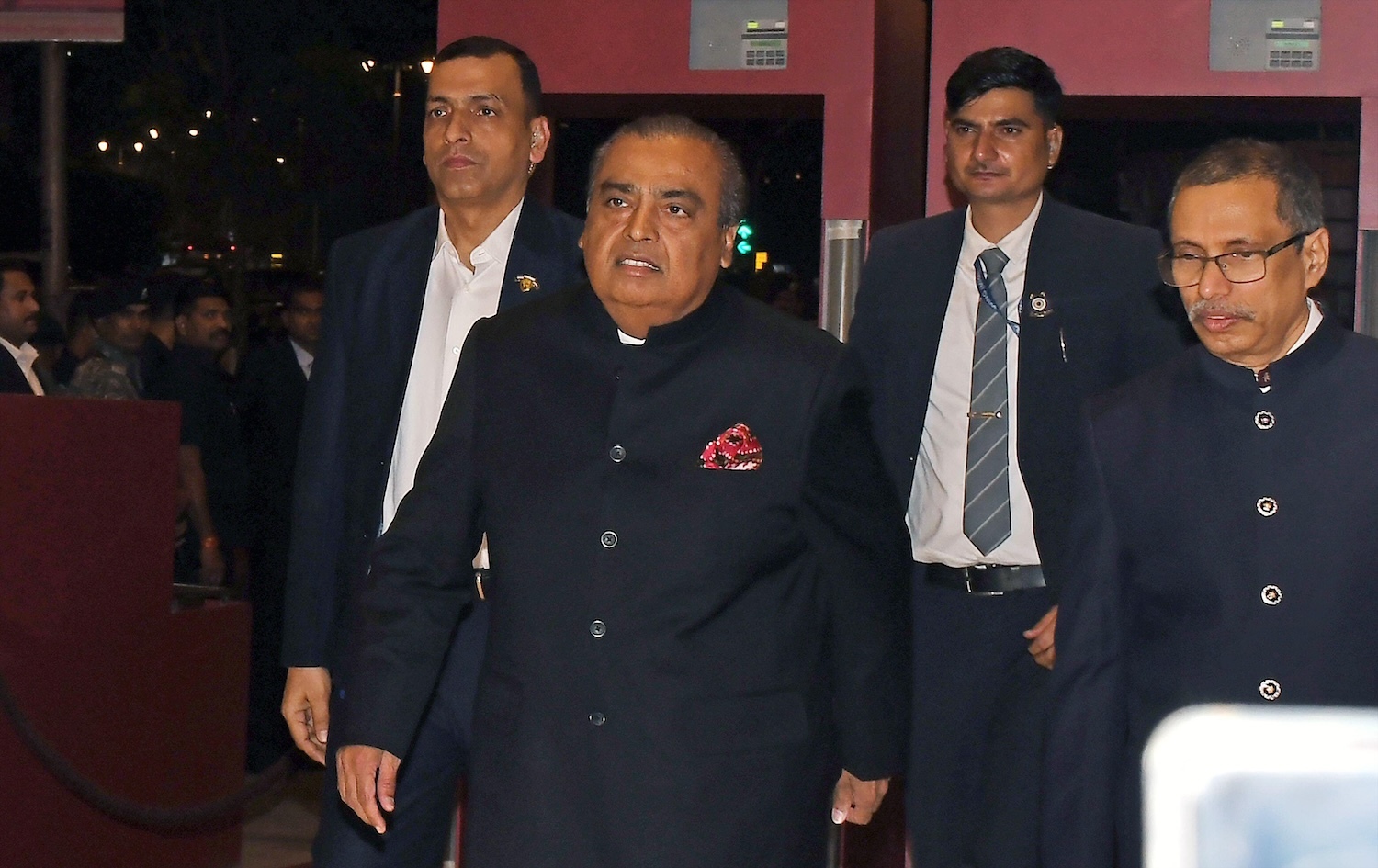
While the Rs 9,000 crore promoter investment in Q1 brings a measure of reassurance, investors will still have to wait for Jio and retail to work through their challenges.
Instead of going after scale like Jio, the Sunil Bharti Mittal-led telecom giant is chasing a smaller but higher-quality customer base to grow its home broadband segment. Will the bet pay off?
While the Rs 9,000 crore promoter investment in Q1 brings a measure of reassurance, investors will still have to wait for Jio and retail to work through their challenges.