/
•
•
Detailed stories on technology startups, business and economic current affairs.
The order of Airbus A350-900 wide-body aircraft puts in motion the most ambitious and riskiest project undertaken by the airline’s founder. As things stand, the odds are stacked against him.



Editor's note: Late last month, Rahul Bhatia-led IndiGo announced its order for 30 Airbus A350-900 wide-body aircraft, with plans to expand to 100 in the future. This is a first for the country’s largest airline, which till now had only narrow-body planes in its fleet.
Make no mistake about what IndiGo is attempting to do. The airline is already among the top 10 in the world when it comes to fleet and passengers carried. With the addition of wide-body aircraft to its fleet, IndiGo is revving up its international strategy. But does this addition, a sort of hybridization in a way, make sense? After all, nearly no low-cost airline in the world has ever had much success with a wide-body operation.
“This is an ambitious, arrogant and astounding move,” says an industry executive, who asked not to be named. “Ambitious because Bhatia didn’t need to do this as the airline is doing well and there is no threat for the current product. Arrogant because this is to show off IndiGo’s muscle power. And astounding because they believe they can pull it off. It’s a brave move.”
Nevertheless, IndiGo seems eager to take the risk.

As the low-cost carrier pushes through a compensation overhaul, the absence of a CEO is complicating a delicate moment.
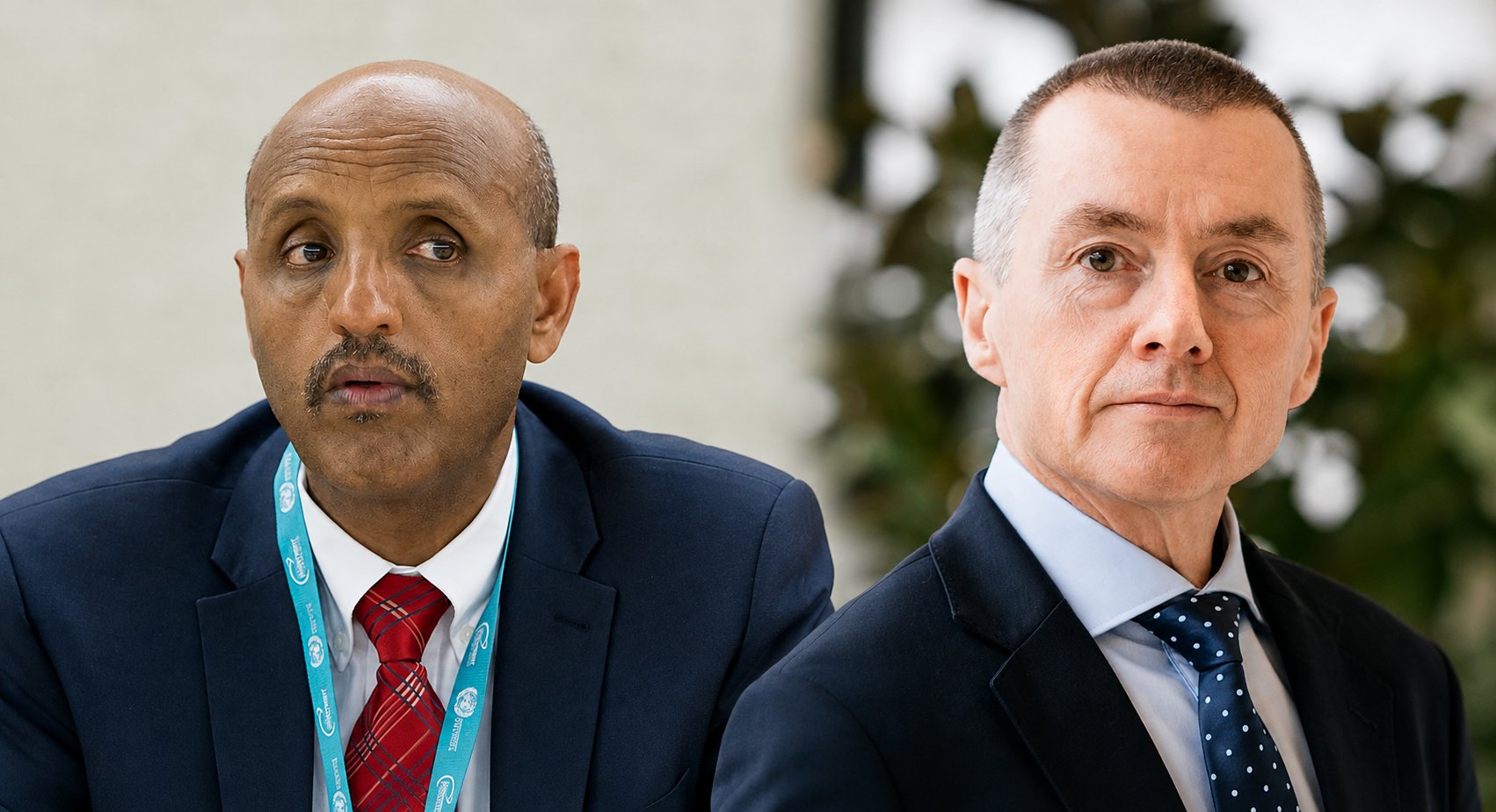
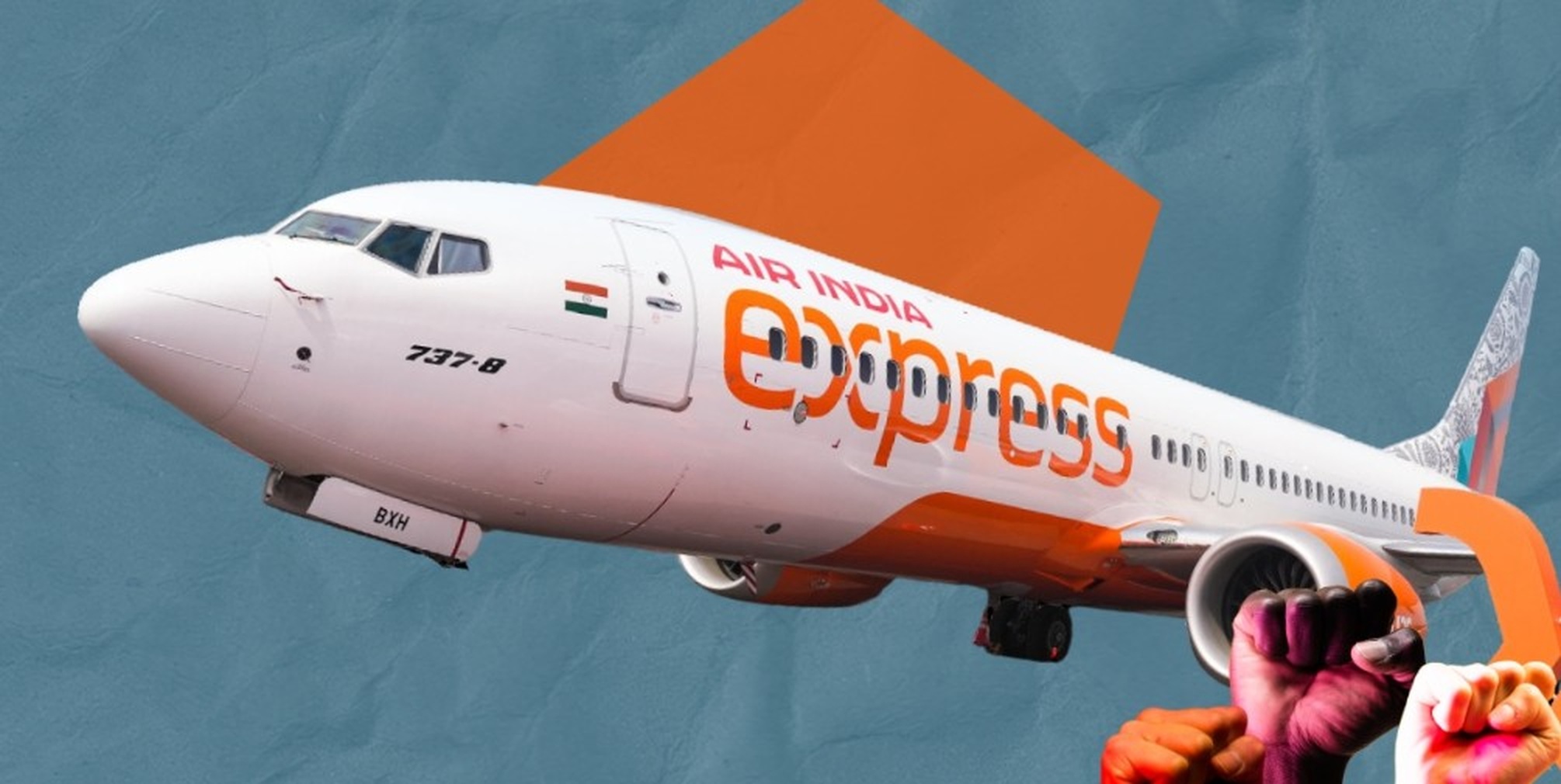
The two new chief executives at Air India and IndiGo come with contrasting reputations but face the same challenge—do their predecessors one better.
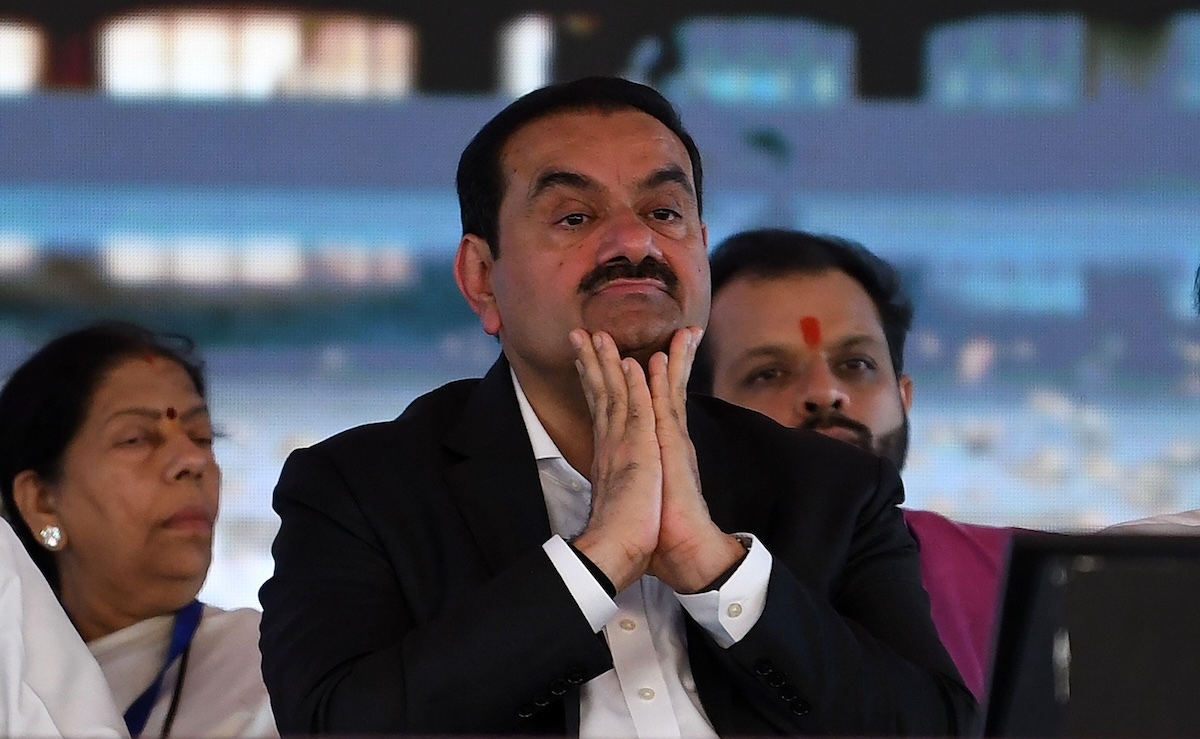
A regulatory easing could see the billionaire’s conglomerate move from running airports to owning an airline—an idea he is warming up to, with multiple options open.