/
•
•
Detailed stories on technology startups, business and economic current affairs.
Singed investors, inflationary pressures and poor growth prospects put paid to hopes of startups tapping public markets for funds.



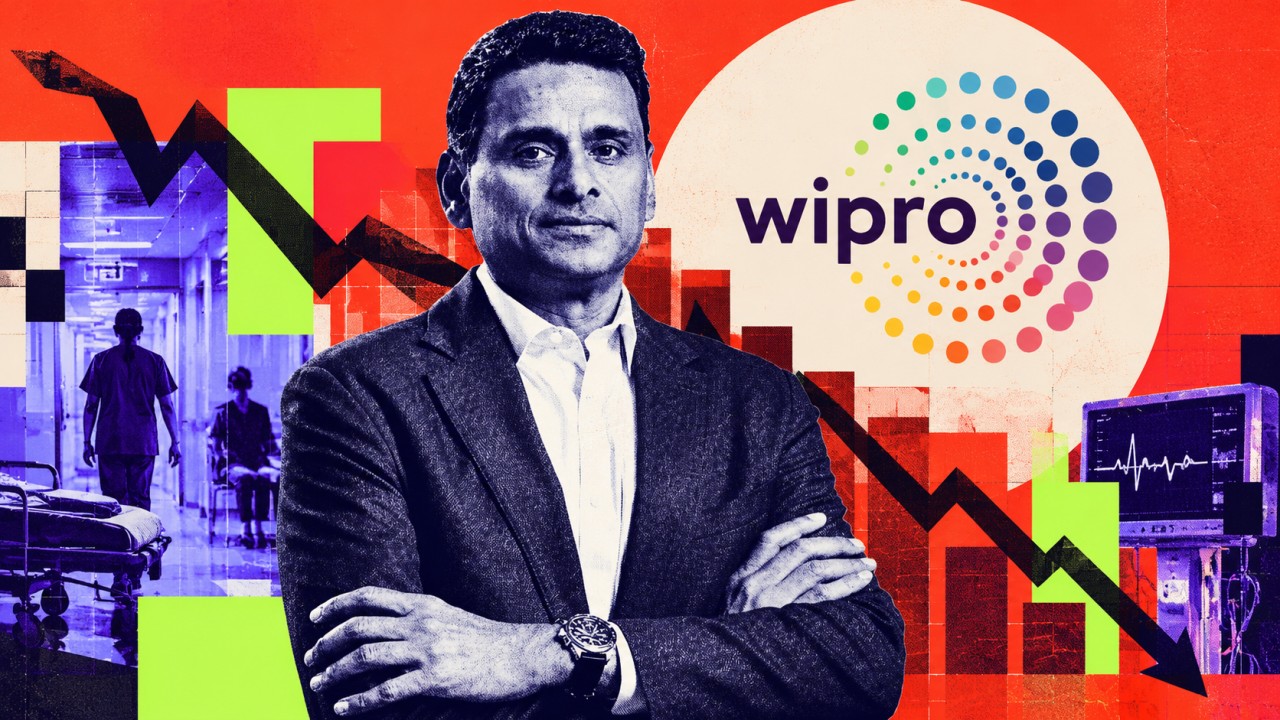
IPOs of startups like MobiKwik, Yatra Online, Snapdeal, PharmEasy, OYO and Ola are in the works. But it increasingly looks like they will have to be postponed indefinitely.
2021 was an important year in the annals of public markets in India. It was the first year in which home-grown technology startups, which were until then funded by private equity investors, unveiled their IPOs in local bourses. It was a sort of a coming of age of the much-hyped startup industry in India.
And it looked like a good year. One that saw eight companies, including Paytm, which was the first …

India’s grocery and food delivery platforms are increasingly displaying misleading images of food using artificial intelligence, defeating the very purpose of buying online.
Parent AceVector is headed for a public market debut next week. As much as 97% of its revenue comes from two businesses. One is already a listed entity, the other a missed opportunity.
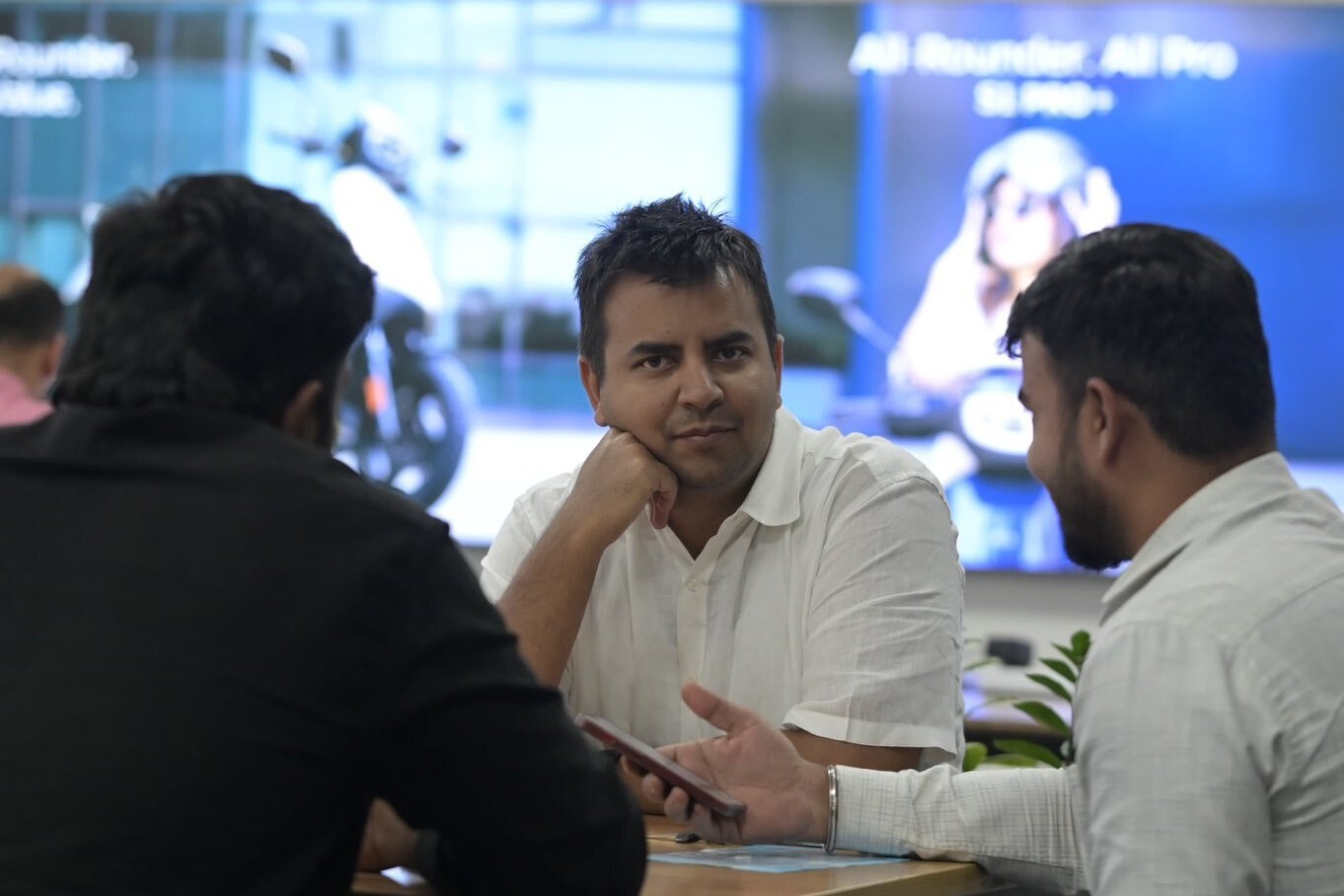
The EV maker is back for fresh capital as its businesses fail to generate enough to sustain themselves.