/
•
•
Detailed stories on technology startups, business and economic current affairs.
The company plans to cut back on thermal power and put renewable energy at the front and centre of its plans. Will the bet pay off?




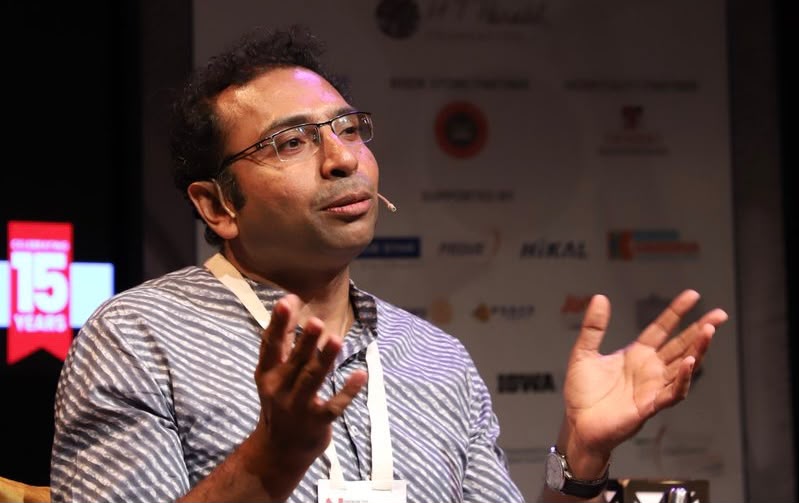
Praveer Sinha, chief executive and managing director of Tata Power, has given one of India’s biggest power companies a makeover.
Ever since he took the reins in March 2018, the power generation arm of the Tata group has reorganized its thermal power business, is in the process of divesting dead investments and has been steadily reducing its debt.
Tata Power’s revenue has grown over 60% in the past four years to about Rs 44,000 crore in 2021-22. Its net debt-to-EBITDA ratio stood at 3.5 in the September quarter of the current fiscal year as against over 7 in 2017-18 (the …

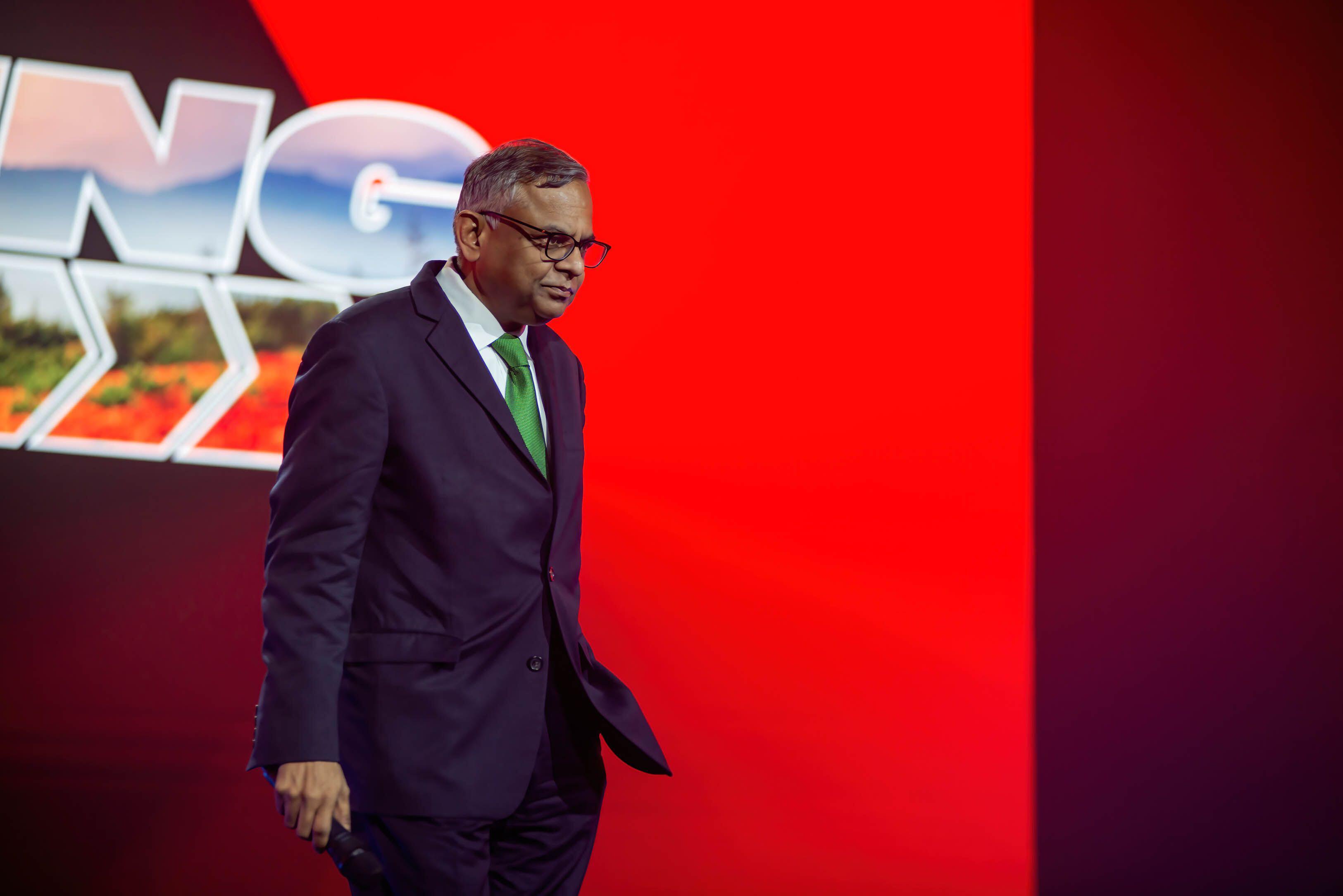
In a surprise move on Wednesday, the Tata Sons chairman announced he will exit Bombay House at the end of his tenure in February 2027. He leaves at what is one of the most crucial times for the group.
ADNOC’s strong numbers underline a strategy built on higher output, shipping gains and new routes that sidestep the risky Strait of Hormuz.

From cancelled races to scrambled calendars, the Iran conflict is testing an over two-decade partnership that powered the sport’s growth.