/
•
•
Detailed stories on technology startups, business and economic current affairs.
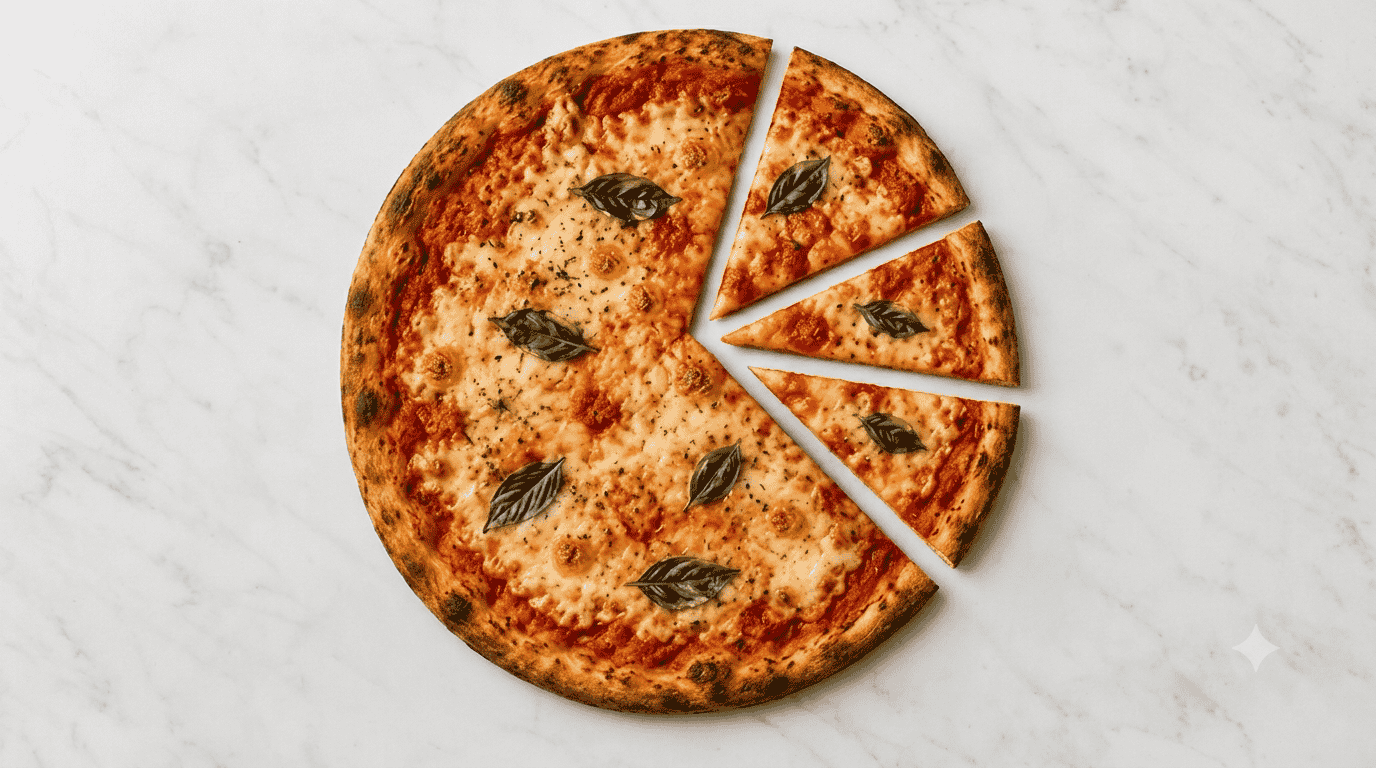
Several founders and VCs are realizing the hard way that selling instant mixes and frozen parathas is not their cup of tea.



Editor's note: Which is the most recognizable success story of a scalable food product in recent years? Pick a name that comes to you instantly. Chances are, you’re struggling to think of a name. Two that stand out in recent times are iD Fresh, the Bengaluru-based idli and dosa batter brand, and Saffola masala oats, owned by Marico Ltd, one of India’s larger consumer goods companies. Two very different products, at two ends of the corporate spectrum, but with one thing in common. Time. iD Fresh has been around for more than a decade now and Saffola oats for about five years, and still they are far from a satisfactory champagne celebration bash for either of their owners. With iD Fresh, founder P.C. Mustafa has just scratched the surface, and all put together clocked sales of a little over Rs 150 crore the fiscal year ended 31 March 2019. Marico’s Saffola oats has yet to win a no-contest place on the breakfast table. Building a scalable food business is tough. It’s a lesson that startups are learning the hard way. Take Maverix …

Several founders and VCs are realizing the hard way that selling instant mixes and frozen parathas is not their cup of tea.
Editor's note: Which is the most recognizable success story of a scalable food product in recent years? Pick a name that comes to you instantly. Chances are, you’re struggling to think of a name. Two that stand out in recent times are iD Fresh, the Bengaluru-based idli and dosa batter brand, and Saffola masala oats, owned by Marico Ltd, one of India’s larger consumer goods companies. Two very different products, at two ends of the corporate spectrum, but with one thing in common. Time. iD Fresh has been around for more than a decade now and Saffola oats for about five years, and still they are far from a satisfactory champagne celebration bash for either of their owners. With iD Fresh, founder P.C. Mustafa has just scratched the surface, and all put together clocked sales of a little over Rs 150 crore the fiscal year ended 31 March 2019. Marico’s Saffola oats has yet to win a no-contest place on the breakfast table. Building a scalable food business is tough. It’s a lesson that startups are learning the hard way. Take Maverix …

Vish Narain of Pulsar Capital on spotting real synergies between India and the Gulf, and why many entrepreneurs read the market wrong.
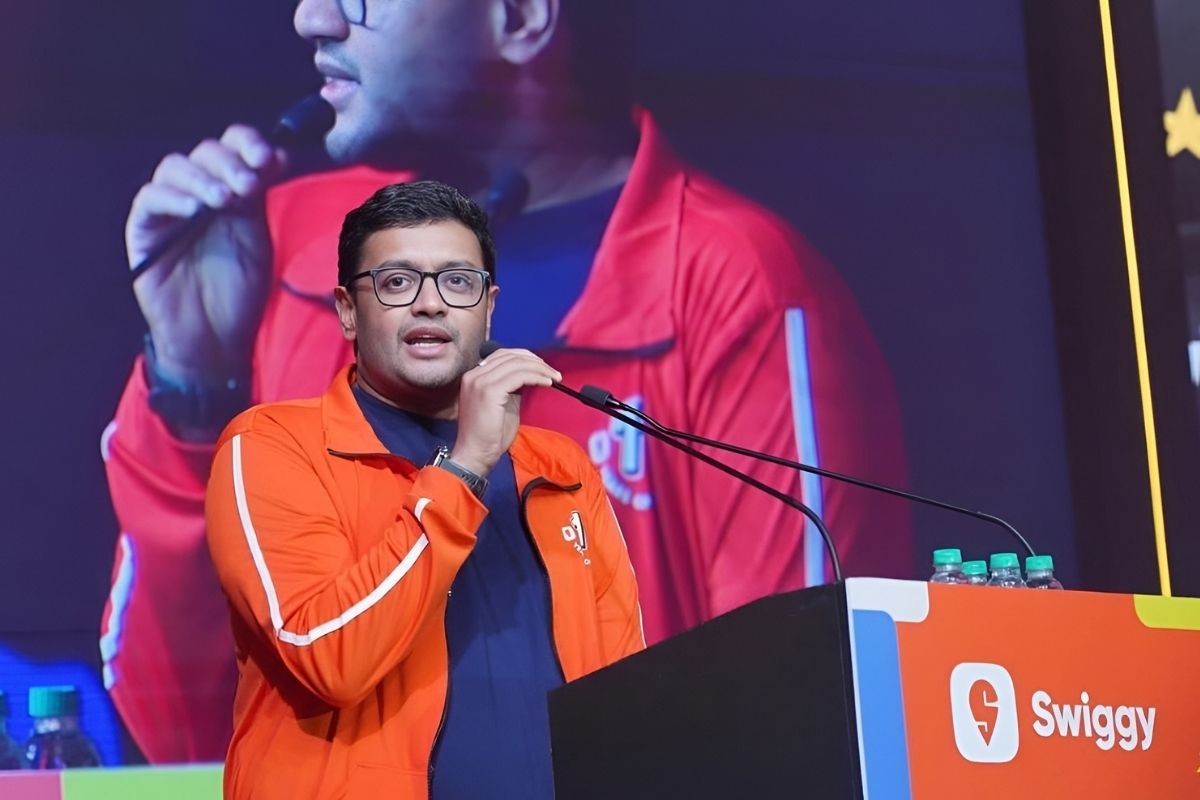
In light of the recent exits of top executives at Swiggy’s quick commerce business, we look at the reasons behind the departures and whether it’s impacting the business.
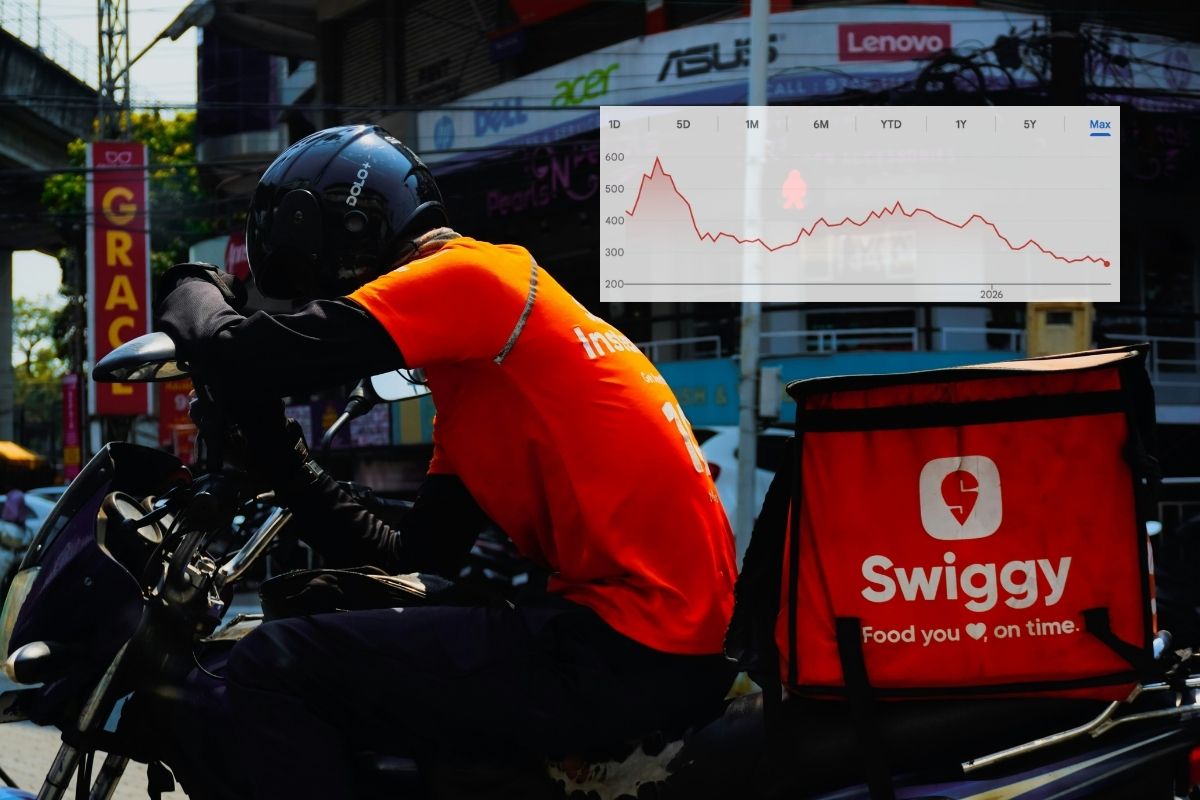
Investors eager to ride India’s quick-commerce boom are already losing confidence in Swiggy. A Rs 7,300* crore war chest and little urgency, its restraint is starting to hurt.
Vish Narain of Pulsar Capital on spotting real synergies between India and the Gulf, and why many entrepreneurs read the market wrong.
In light of the recent exits of top executives at Swiggy’s quick commerce business, we look at the reasons behind the departures and whether it’s impacting the business.
Investors eager to ride India’s quick-commerce boom are already losing confidence in Swiggy. A Rs 7,300* crore war chest and little urgency, its restraint is starting to hurt.