/
•
•
Detailed stories on technology startups, business and economic current affairs.
By allocating thousands of crores of rupees for building roads, houses and ensuring tap water supply, the finance minister has rekindled hopes of fast-paced growth. What could go wrong?



Editor's note: Finance minister Nirmala Sitharaman on Tuesday presented her shortest Union Budget till date. The markets, in a rare sight, remained in the green through the 92 minutes. In TV studios, captains of industry and market movers gushed over the 35.4% jump in the government’s capex plans. Surely, everyone was going to get a piece of this mega spending pie. Yet, the bond markets weren’t amused about the likely higher government borrowings, and those with NFTs were left wondering about the thunderbolt that had struck them. All in all, it surely looked like Amrit Kaal was upon us. As for the poor, err, who? We’ve identified six definite threads in the Union Budget that you should be aware of, as the government attempts to look beyond the pandemic and sets its sights on a 25-year period of record GDP growth. Several questions pop up. The infrastructure conundrum To tackle an unemployment rate of 6.6%, Sitharaman has chosen infrastructure as the engine to fuel economic growth and generate jobs. In total, the government's capital expenditure for 2022-23 has increased to Rs 7.5 …
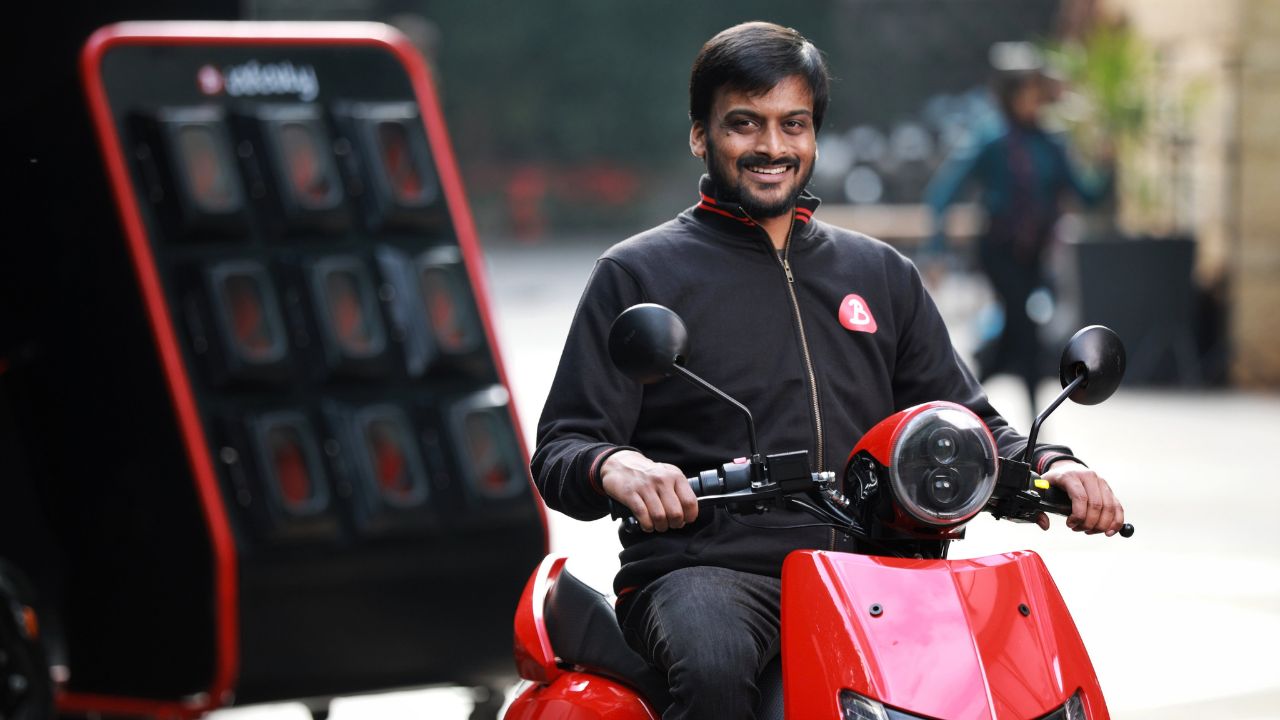
By allocating thousands of crores of rupees for building roads, houses and ensuring tap water supply, the finance minister has rekindled hopes of fast-paced growth. What could go wrong?
Editor's note: Finance minister Nirmala Sitharaman on Tuesday presented her shortest Union Budget till date. The markets, in a rare sight, remained in the green through the 92 minutes. In TV studios, captains of industry and market movers gushed over the 35.4% jump in the government’s capex plans. Surely, everyone was going to get a piece of this mega spending pie. Yet, the bond markets weren’t amused about the likely higher government borrowings, and those with NFTs were left wondering about the thunderbolt that had struck them. All in all, it surely looked like Amrit Kaal was upon us. As for the poor, err, who? We’ve identified six definite threads in the Union Budget that you should be aware of, as the government attempts to look beyond the pandemic and sets its sights on a 25-year period of record GDP growth. Several questions pop up. The infrastructure conundrum To tackle an unemployment rate of 6.6%, Sitharaman has chosen infrastructure as the engine to fuel economic growth and generate jobs. In total, the government's capital expenditure for 2022-23 has increased to Rs 7.5 …

The newly announced levy on UPI payments undermines the very foundation of using digital payments for stock market investing. Brokers are in a tizzy.
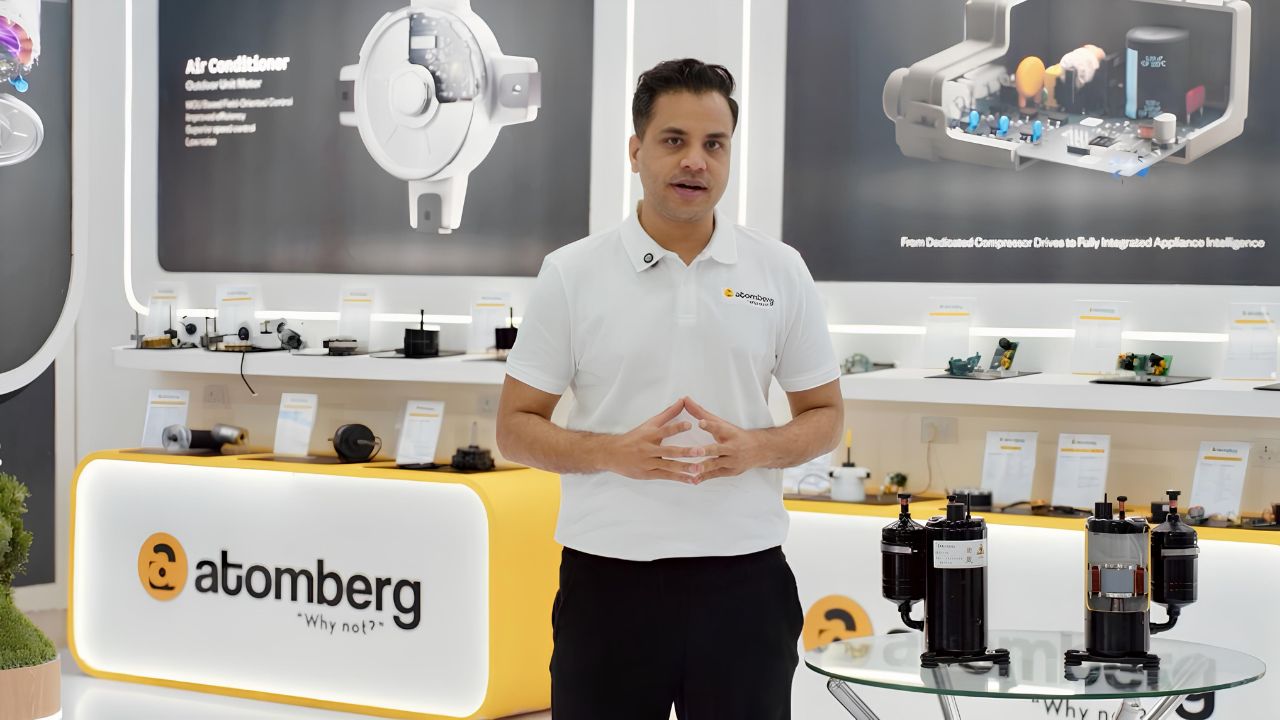
As the smart fan maker gears up for an IPO, prospective investors could do with some clarity on what the company’s next phase of growth will look like.

The central bank’s shift to a 100% collateral requirement threatens to erode leverage, reduce volumes and force a consolidation across prop desks.
The newly announced levy on UPI payments undermines the very foundation of using digital payments for stock market investing. Brokers are in a tizzy.
As the smart fan maker gears up for an IPO, prospective investors could do with some clarity on what the company’s next phase of growth will look like.
The central bank’s shift to a 100% collateral requirement threatens to erode leverage, reduce volumes and force a consolidation across prop desks.