/
•
•
Detailed stories on technology startups, business and economic current affairs.
Two years on, Reliance calls off a deal for its O2C business and two out of three private telecoms players finally increase tariffs.



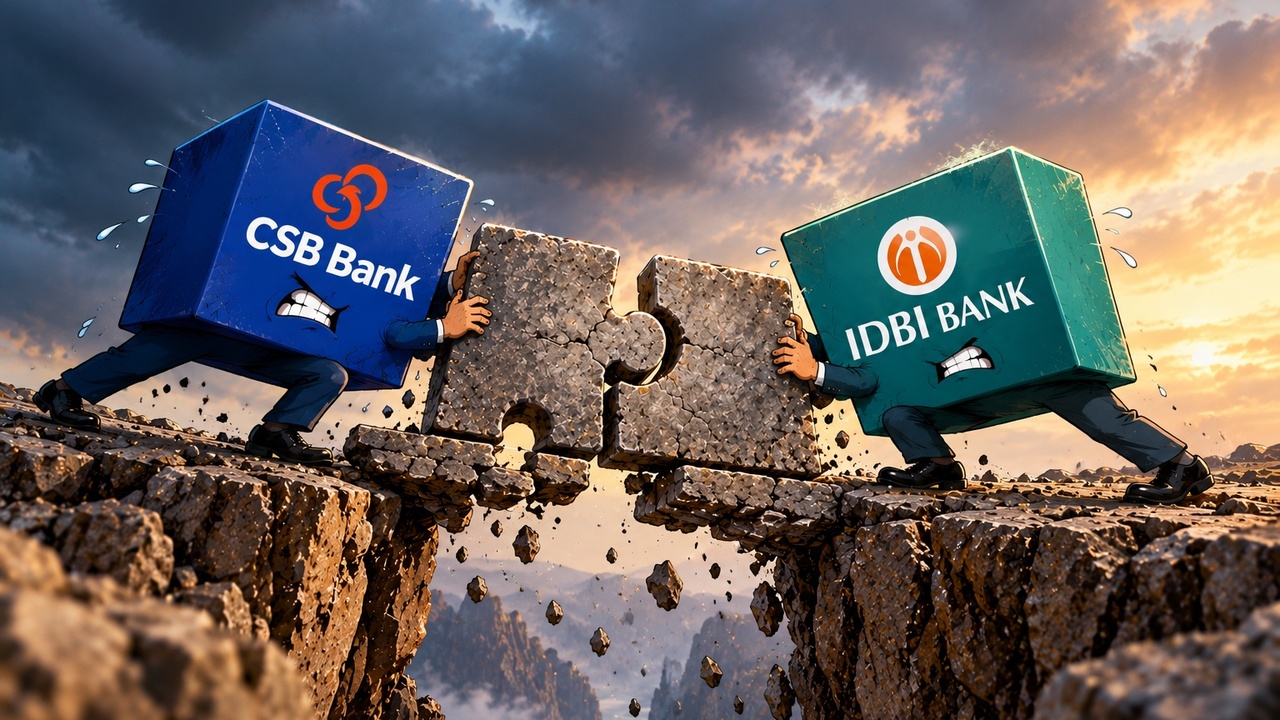
Furquan here. Gautam Adani is now the richest Indian, and not Mukesh Ambani. It's still an open race as these two billionaires bet on new sectors to drive growth in the coming years. Ambani is surely not betting on his oil-to-chemicals business, as reflected in the deal with Aramco being called off. Equally interesting was the tariff hike by telecom companies. It's good news, not just for them but for banks and investors too. Read on.
When Mukesh Ambani – on 24 June 2021 – made public his plans to go carbon neutral by 2035, …

Elon Musk’s satellite internet promises a new way to get online. How will it coexist with the country's telecom giants?
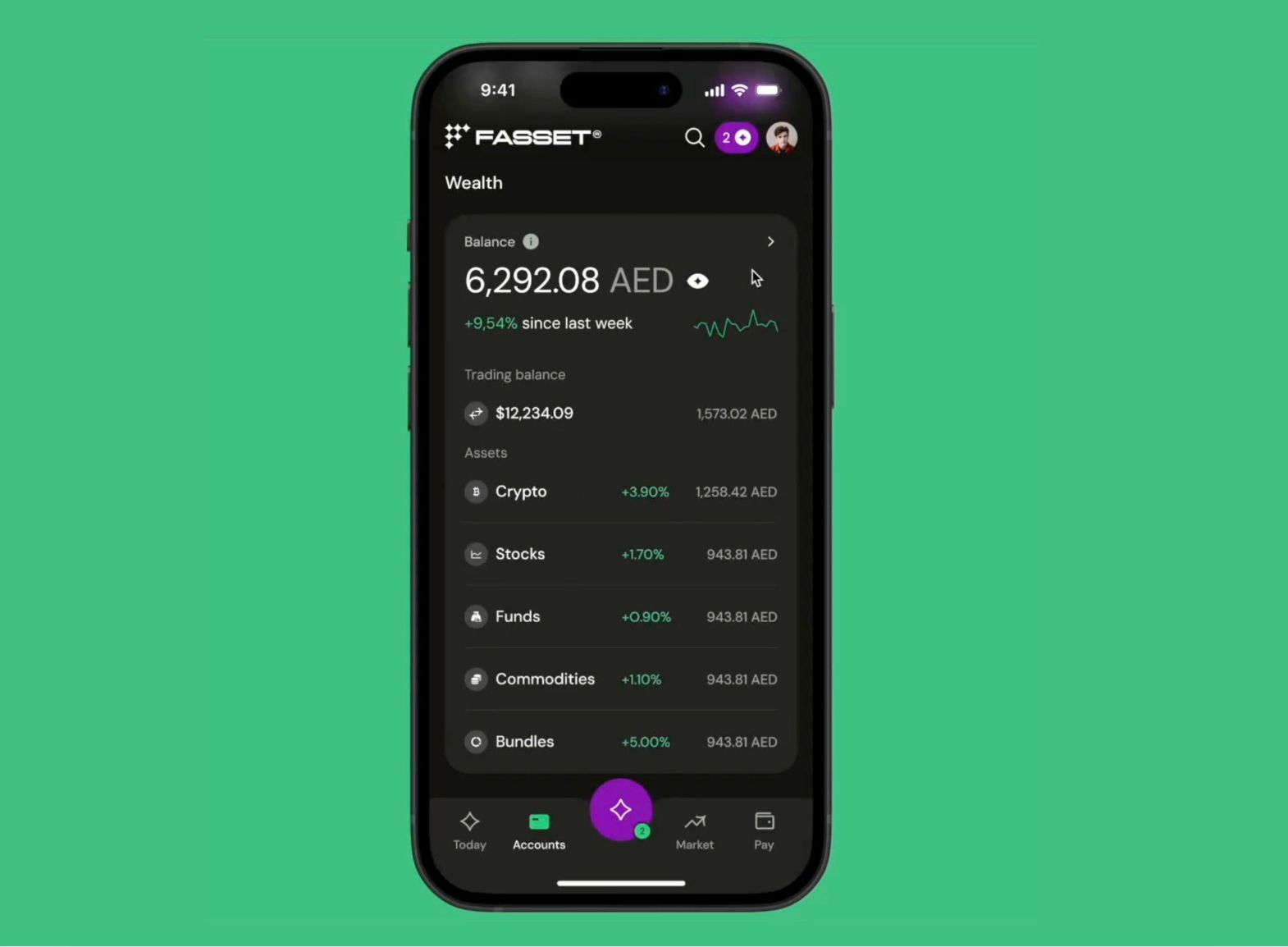
The stablecoin neobank has raised more than $100 million this year; Saudi Arabia is looking at stock market reforms; and other updates from the week.
A quarter with subscriber gains portends well for the telecom operator, but its underlying metrics tell a more cautious story.