/
•
•
Detailed stories on technology startups, business and economic current affairs.
The $13 billion acquisition of the European steelmaker turned out to be the Tata group’s biggest blunder. A takeover of the national flag carrier could prove equally painful.



The similarities are uncanny. Nearly 14 years ago, Tata Sons chairman Ratan Tata was the force behind a decision of the Tata Steel management, led by managing director B. Muthuraman, to acquire Corus for $13 billion. Tata had wanted the group’s steel business to be global and Corus made that possible. Formed through the merger of British Steel and Koninklijke Hoogovens of the Netherlands, Corus was steeped in legacy and bureaucracy issues.
The acquisition, despite being expensive, seemed to make a lot of sense. Tata Steel became the sixth largest steel producer in the world and got access to a …
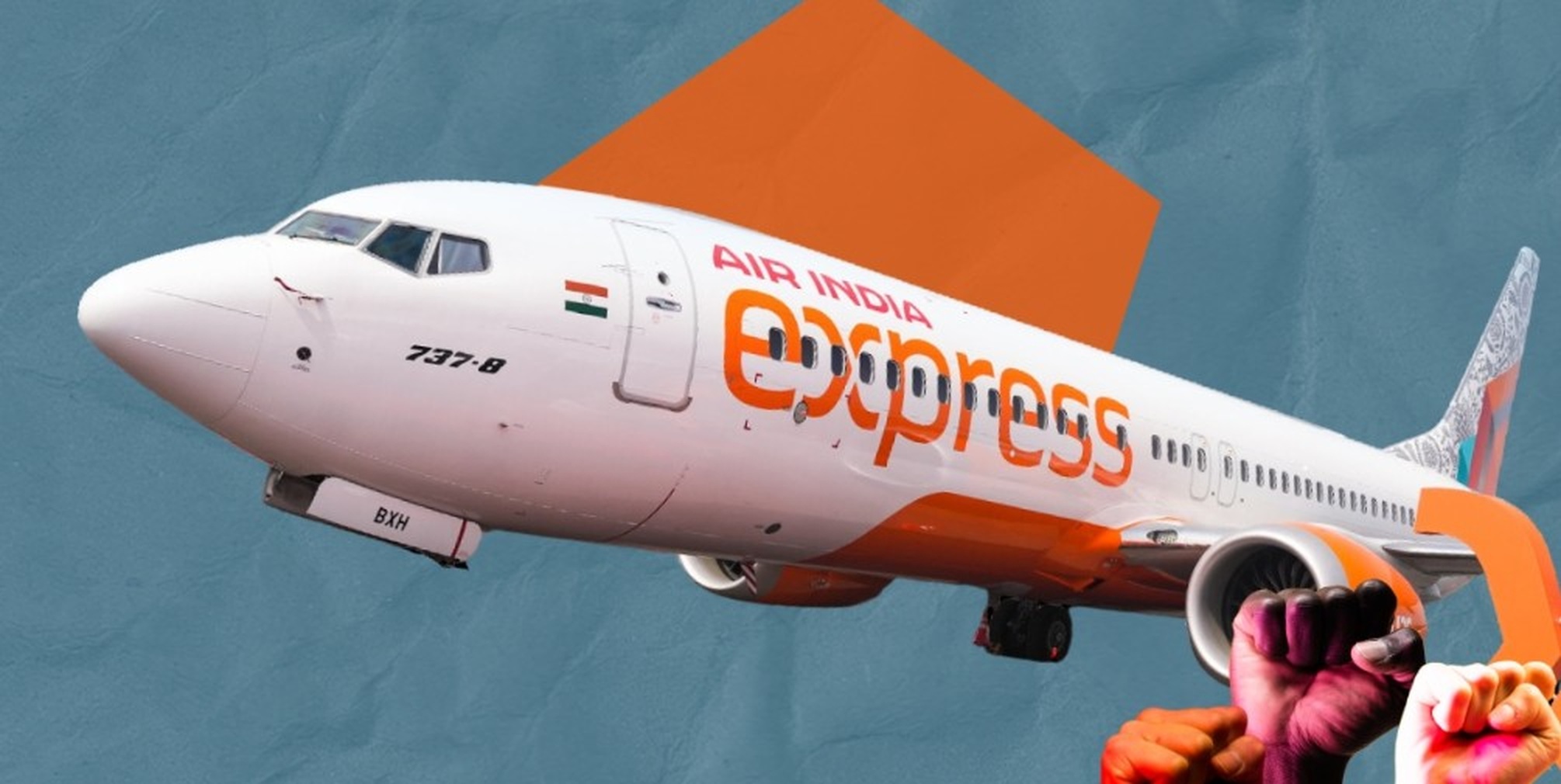
As the low-cost carrier pushes through a compensation overhaul, the absence of a CEO is complicating a delicate moment.
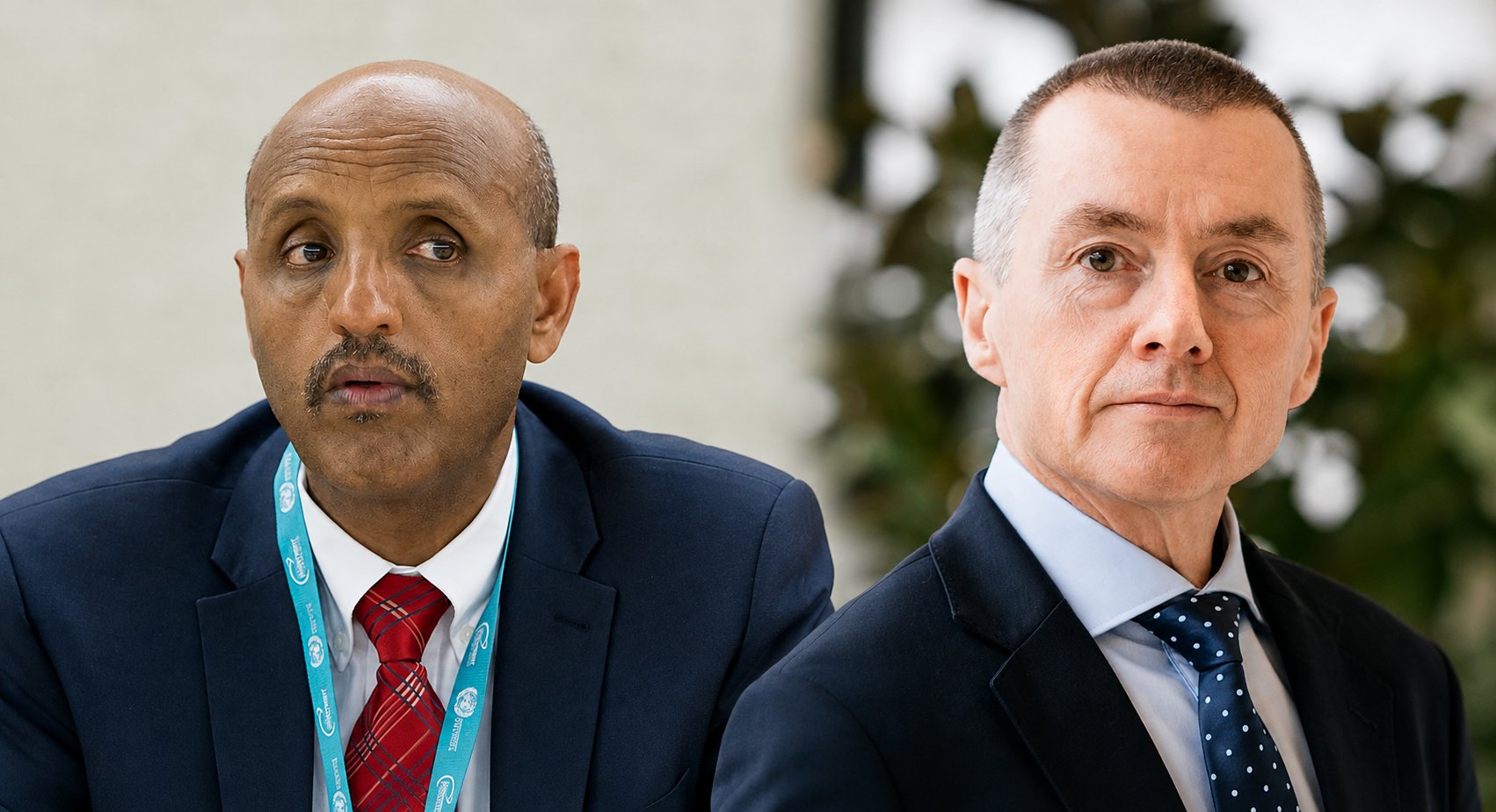
The two new chief executives at Air India and IndiGo come with contrasting reputations but face the same challenge—do their predecessors one better.
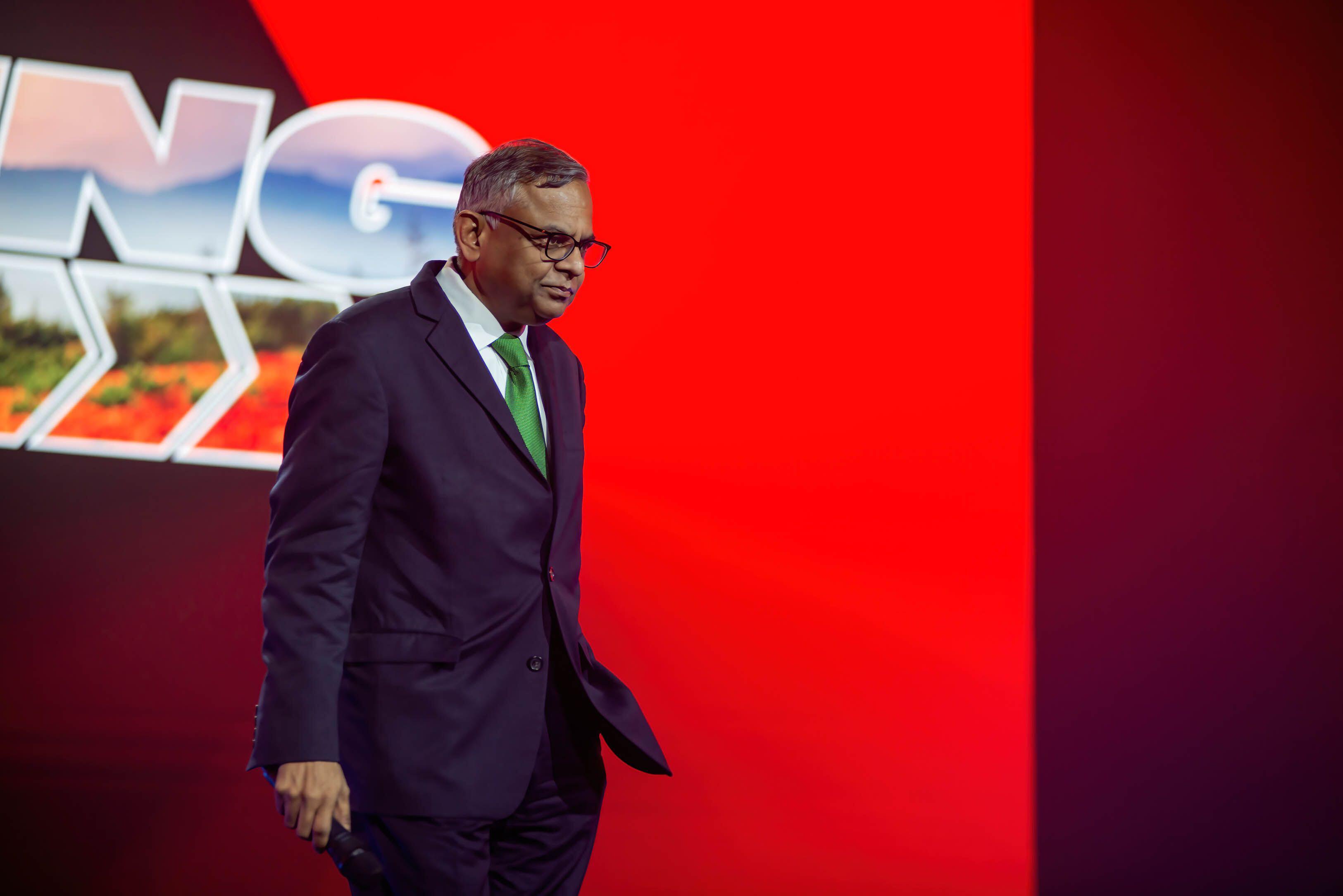
In a surprise move on Wednesday, the Tata Sons chairman announced he will exit Bombay House at the end of his tenure in February 2027. He leaves at what is one of the most crucial times for the group.