/
•
•
Detailed stories on technology startups, business and economic current affairs.
A slew of initiatives are using blockchain technology to solve age-old environmental problems.



Founded in 2012, the SankalpTaru Foundation has significantly helped increase India’s tree cover. The New Delhi-based non-profit has planted 3.5 million trees across India—from guava plants in Maharashtra to mangroves in the Sundarbans.
What’s unique is that for as little as Rs 149, paid through its website, anyone can fund a new tree anywhere in the country. A few days after the donation, SankalpTaru plants the tree and sends the donor an email and a WhatsApp message about what kind of tree it was and whose land it is planted on.
Trust is key to this process. Who knows if …


India’s leading tech hardware distribution company is making the most of the unprecedented rise in global prices of laptops and other tech hardware. There’s just one problem.

Even though the government of India did a U-turn on the mandatory pre-installation of the anti-fraud app on all mobile phones sold or imported in the country, the larger problem of petty cybercrime remains grim.
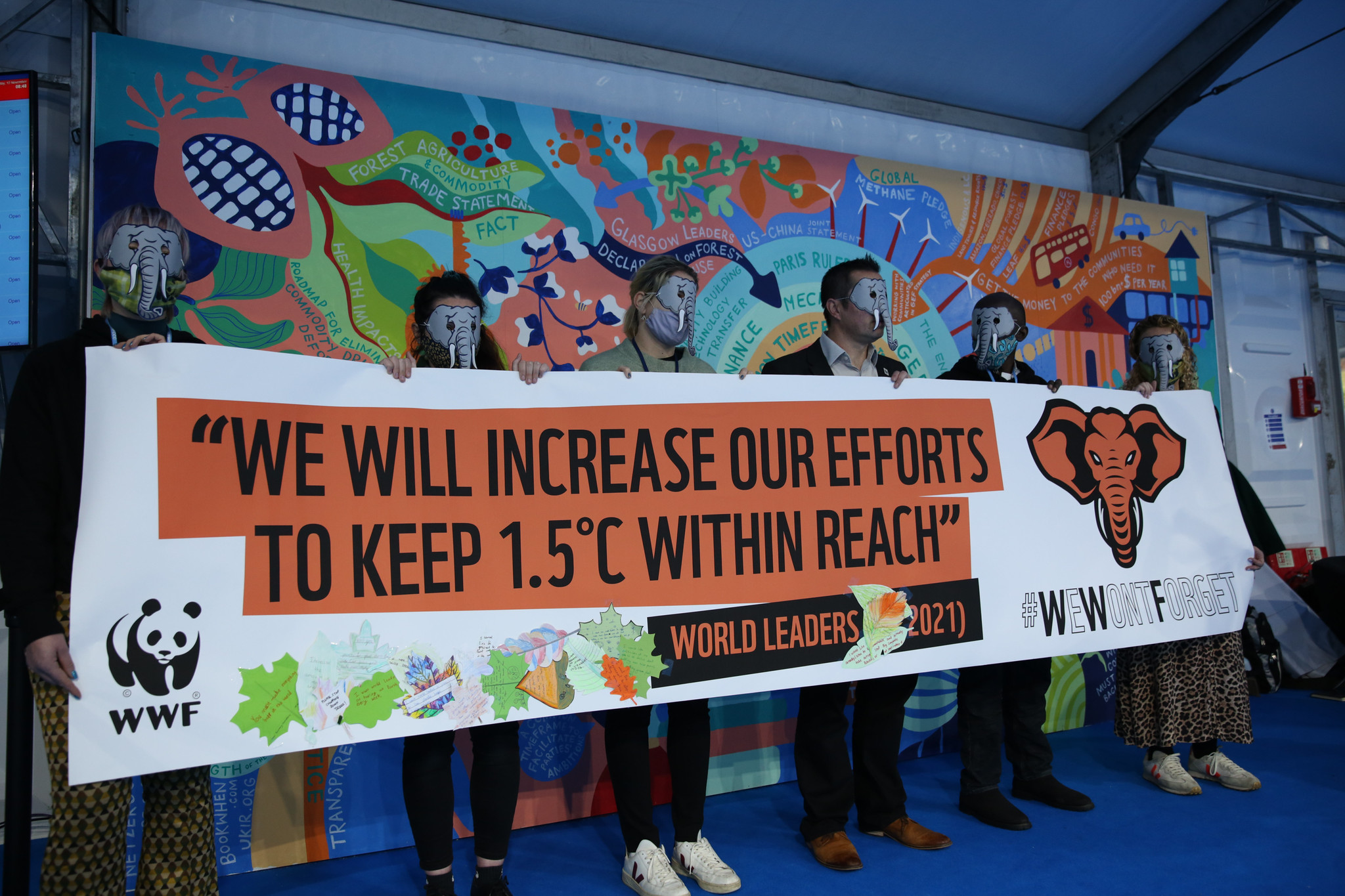
The window to prevent the worst impacts of climate change has shut. The heat is on global leaders at the annual climate talks in Brazil to deliver more than just theatre.