/
•
•
Detailed stories on technology startups, business and economic current affairs.
Millions of India’s landless Dalits who migrate to cities looking for work face the prospect of even worse conditions, triggered by extreme weather events.



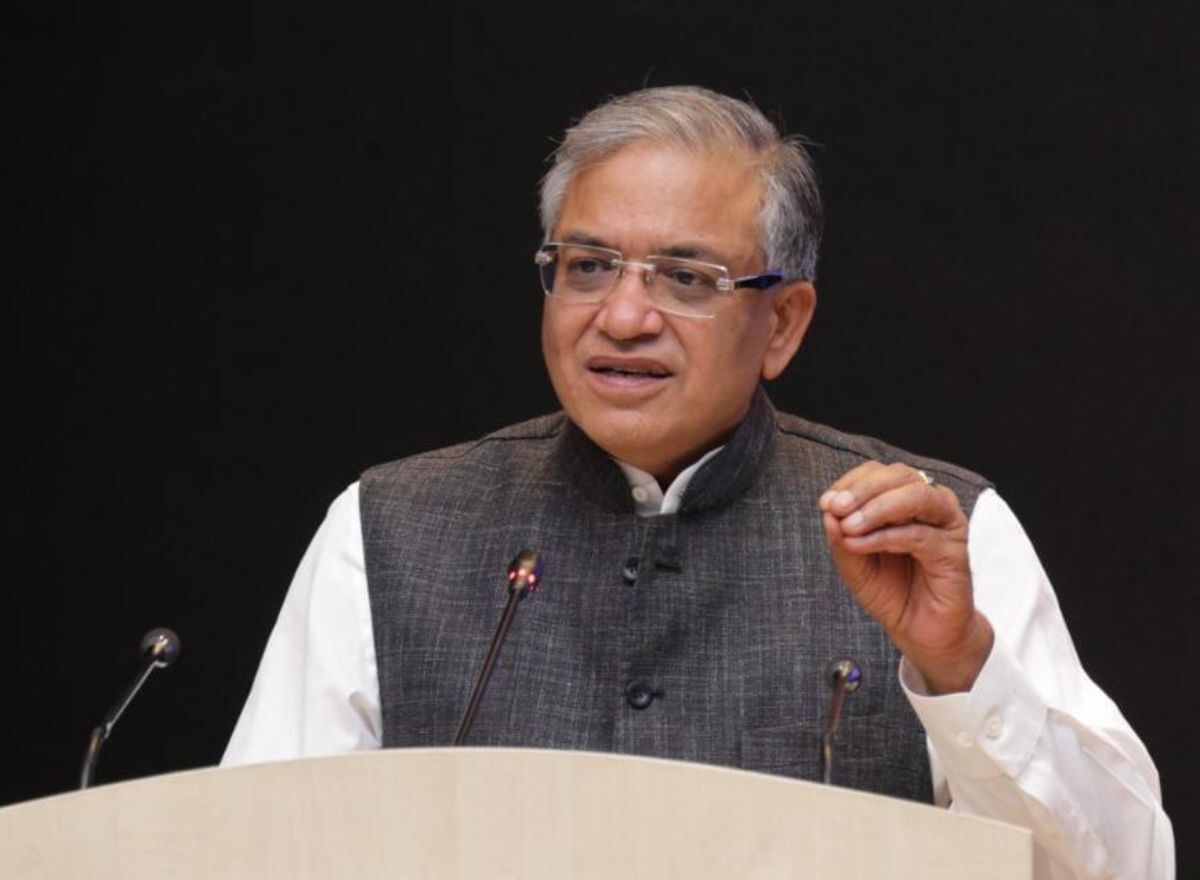
This story was supported by the Pulitzer Center.
One morning in October 2011, Dharmendra Ahirwar stepped off a train at Nizamuddin station, clutching his mother’s hand. The 13-year-old’s eyes nervously tracked his younger sister walking beside him. They followed their father who was trying to navigate the family through the crowd.
Two nights earlier, the Ahirwar family sat under a peepal tree in the courtyard of their one-room house in a village in Sagar district of Madhya Pradesh. “I could sense that we were struggling,” says Dharmendra, now 24, recalling that day. “That night, my father said we would have …
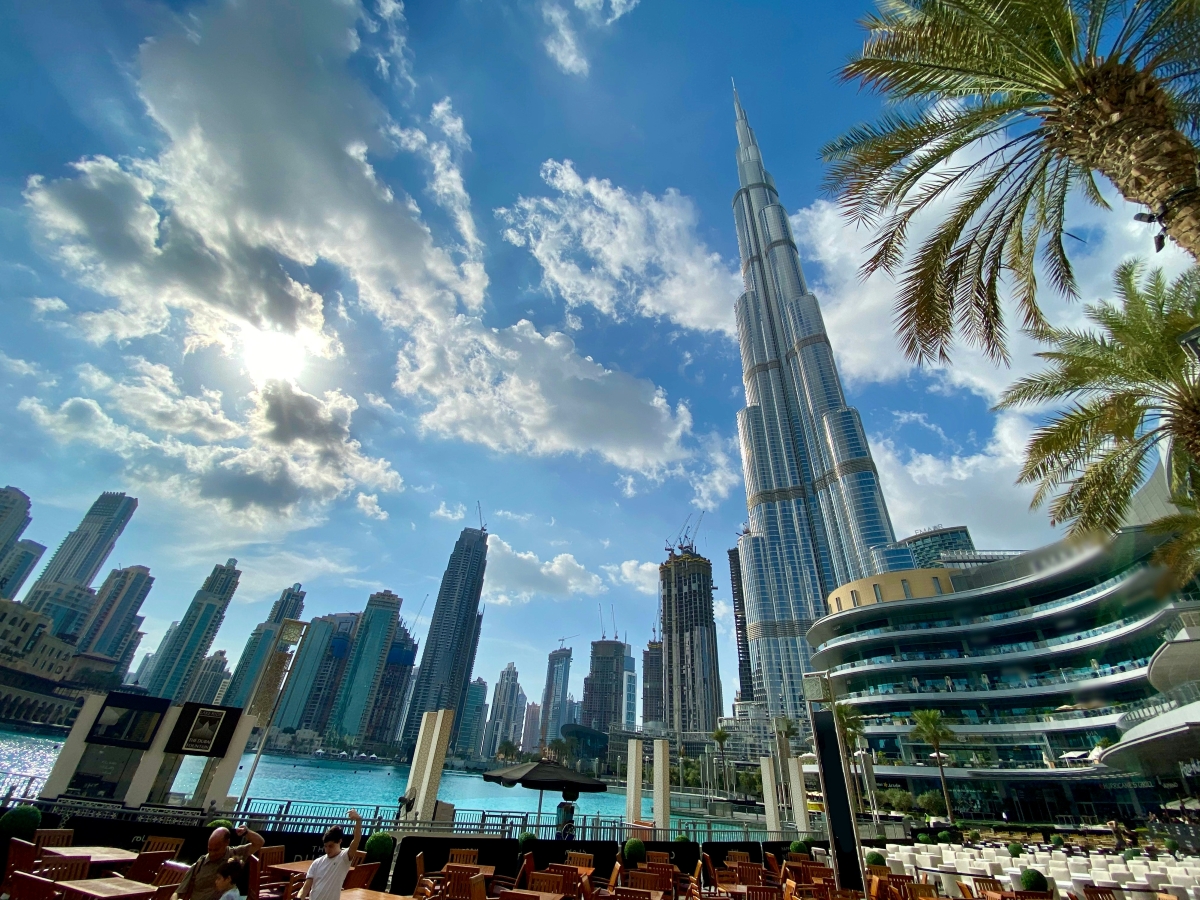
With no minimum investment threshold, the emirate is widening access to residency even as geopolitical risks cloud its appeal.
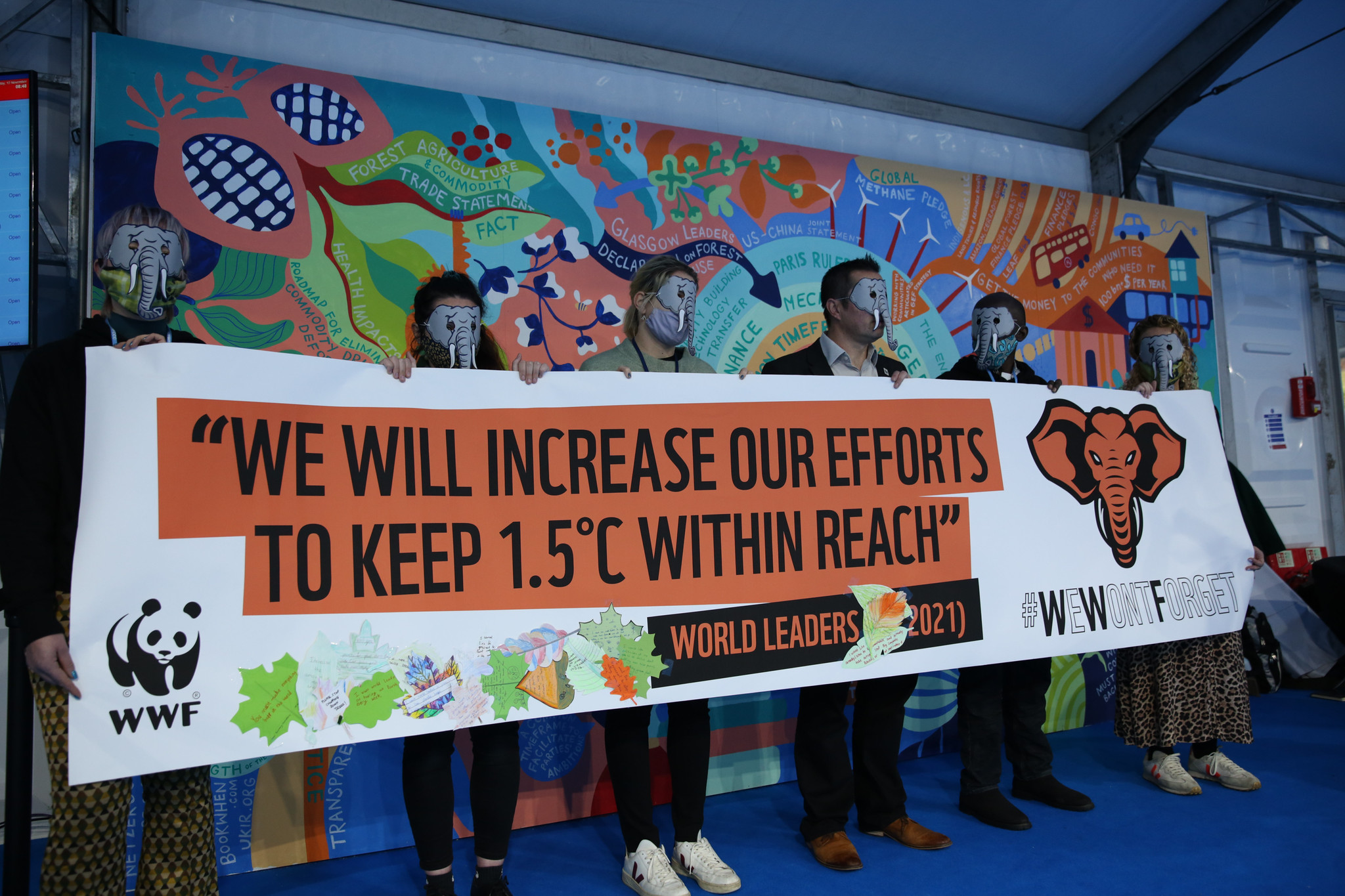
The window to prevent the worst impacts of climate change has shut. The heat is on global leaders at the annual climate talks in Brazil to deliver more than just theatre.
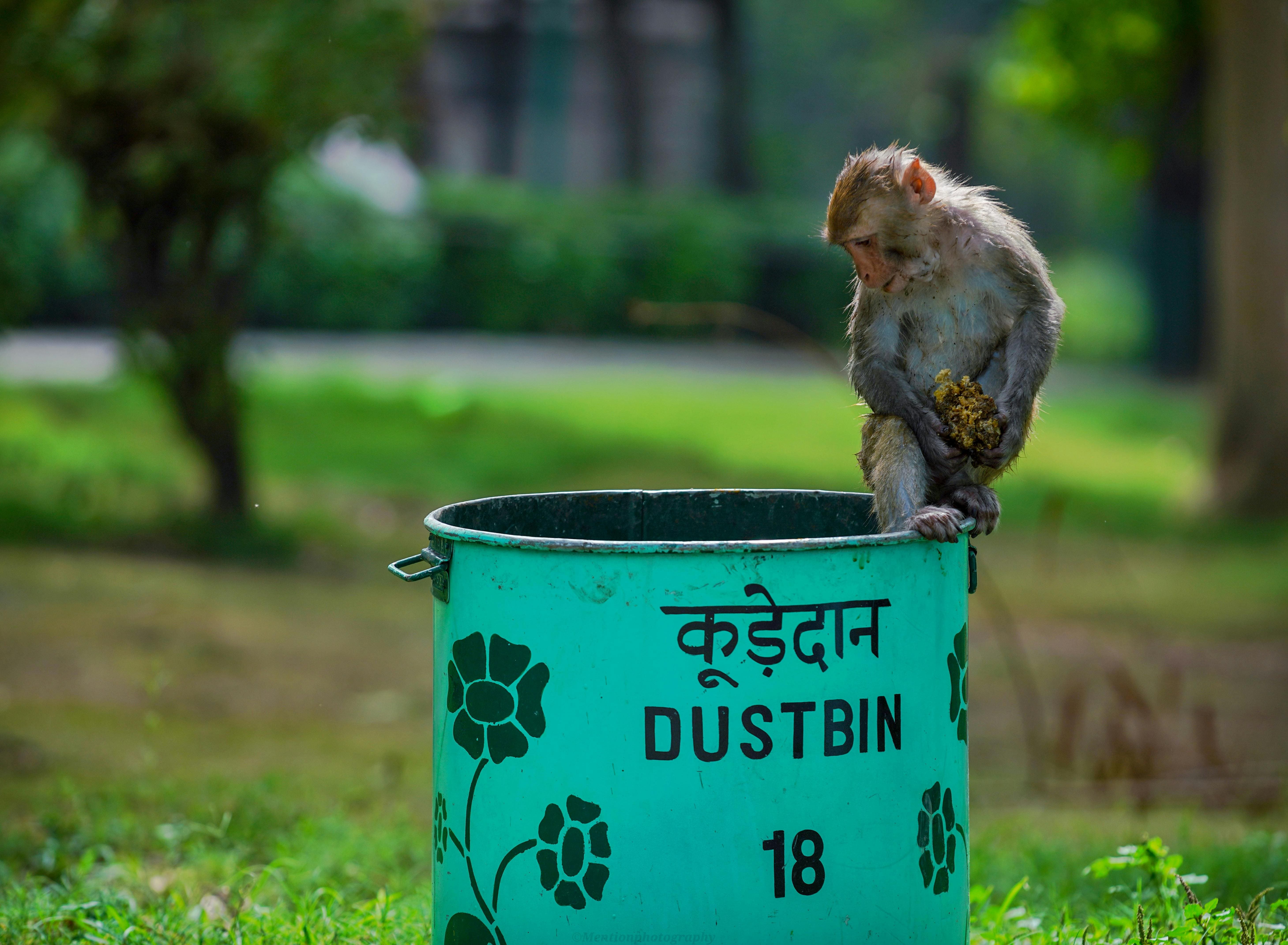
The Kanjurmarg landfill, operated by Antony Waste Handling Cell Ltd., is safe from the axe for now. But its fate remains a major source of worry for the company's shareholders and the city's residents alike.