/
•
•
Detailed stories on technology startups, business and economic current affairs.
After years of small-scale and targeted surveillance, the government is gearing up to mine big data from its citizens. At the core of its plan are intelligence agencies that operate with zero non-executive oversight.



Editor's note: Josy Joseph wasn’t too surprised when he heard about the Pegasus revelations in July. The veteran journalist and author, who has covered military and national security agencies for three decades, had long known of their surreptitious ways of intelligence gathering. At times, he was at the receiving end himself. In 2005, Joseph uncovered an elaborate operation on how national secrets were being smuggled out of a top-secret naval war room in New Delhi. His reports led to an overhaul of the security systems in military installations. But while he was working on the story, he noticed he was being trailed by naval intelligence vehicles. “Those days, it used to be physical,” says Joseph. “They’d stay outside your house and keep a note on movements.” He had an ingenious way to get rid of the tail. “I’d come home to my daughter and wife at night and we’d switch off the lights. The agencies [personnel] would go away assuming we’d slept. Ultimately, they’re government babus. Then I’d come down and take my car and meet my source at a paan shop.” …

After years of small-scale and targeted surveillance, the government is gearing up to mine big data from its citizens. At the core of its plan are intelligence agencies that operate with zero non-executive oversight.
Editor's note: Josy Joseph wasn’t too surprised when he heard about the Pegasus revelations in July. The veteran journalist and author, who has covered military and national security agencies for three decades, had long known of their surreptitious ways of intelligence gathering. At times, he was at the receiving end himself. In 2005, Joseph uncovered an elaborate operation on how national secrets were being smuggled out of a top-secret naval war room in New Delhi. His reports led to an overhaul of the security systems in military installations. But while he was working on the story, he noticed he was being trailed by naval intelligence vehicles. “Those days, it used to be physical,” says Joseph. “They’d stay outside your house and keep a note on movements.” He had an ingenious way to get rid of the tail. “I’d come home to my daughter and wife at night and we’d switch off the lights. The agencies [personnel] would go away assuming we’d slept. Ultimately, they’re government babus. Then I’d come down and take my car and meet my source at a paan shop.” …
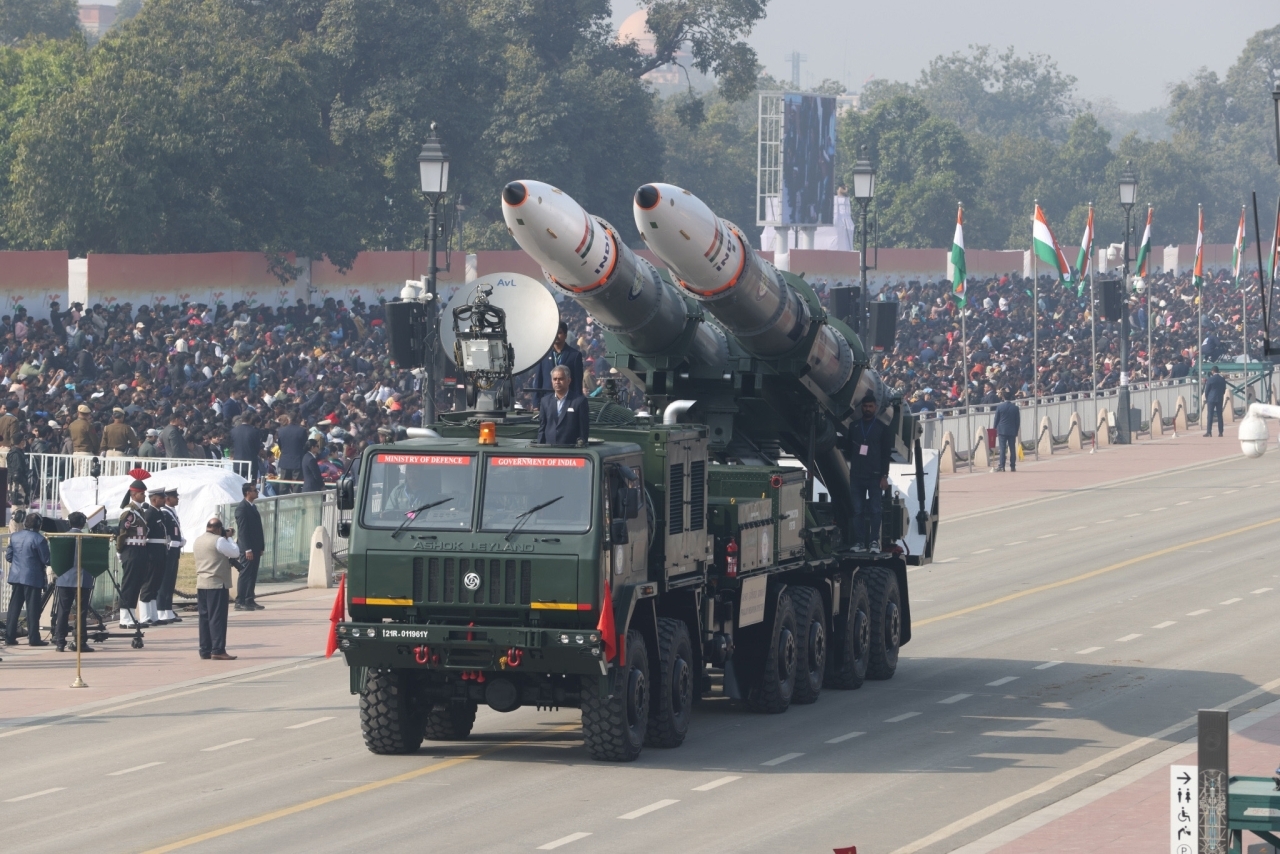
The country's fighter jet roadmap rests on imported propulsion, leaving its military plans hostage to cost shocks, delays and geopolitics.

As India’s largest stock exchange heads to the public markets, it may need to rethink its excessive reliance on transaction revenue.

April data suggests the slide may be moderating, even as the UAE accelerates moves to derisk its future.
The country's fighter jet roadmap rests on imported propulsion, leaving its military plans hostage to cost shocks, delays and geopolitics.
As India’s largest stock exchange heads to the public markets, it may need to rethink its excessive reliance on transaction revenue.
April data suggests the slide may be moderating, even as the UAE accelerates moves to derisk its future.