/
•
•
Detailed stories on technology startups, business and economic current affairs.
Catchphrases are easy, but till social indicators don’t improve across sections of the population, no model of growth is complete or justifiable.



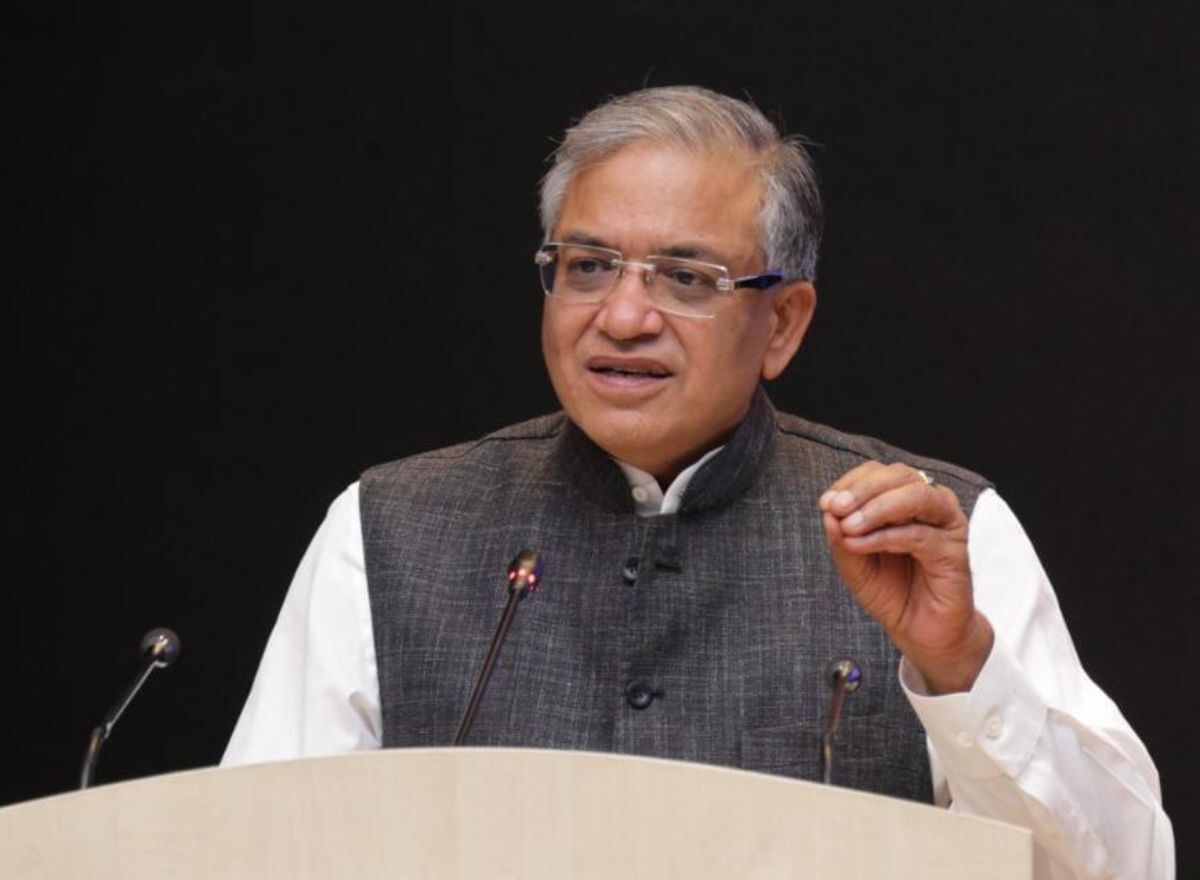
For a while now, debates on development in India have been flush with suggestions of “models”. In 2014, when Narendra Modi was being prepared as India’s prime minister, a media blitzkrieg was unleashed on the so-called “Gujarat model”. The corporate sector, right-wing economists and a section of liberal writers lapped it up.
Leading the pack were economists Jagdish Bhagwati and Arvind Panagariya. Their focus was to “prove” that the Gujarat model was superior to the Kerala model, of which their bête noire Amartya Sen was a votary.
The “Sen-Bhagwati debate” consumed much newsprint and bandwidth in 2014. But seven …


The newly announced levy on UPI payments undermines the very foundation of using digital payments for stock market investing. Brokers are in a tizzy.
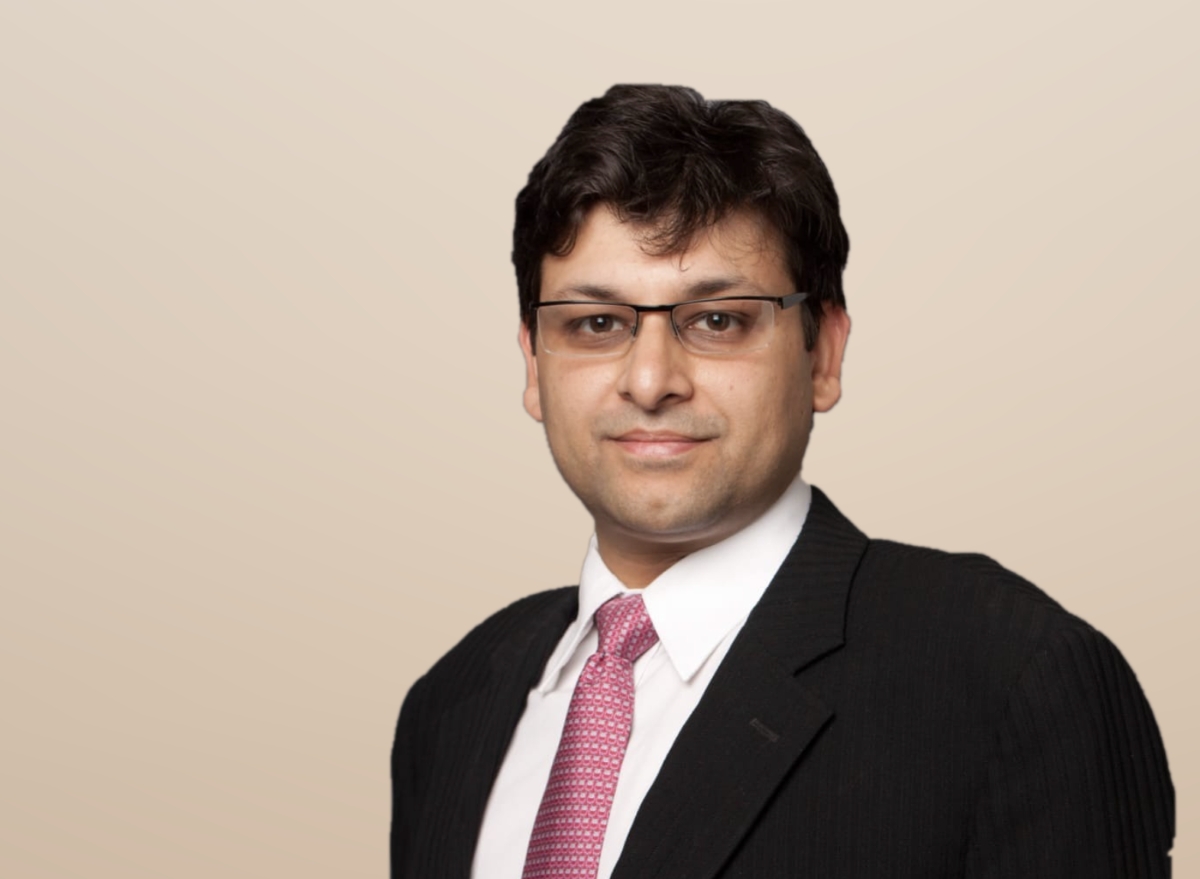
Vish Narain of Pulsar Capital on spotting real synergies between India and the Gulf, and why many entrepreneurs read the market wrong.
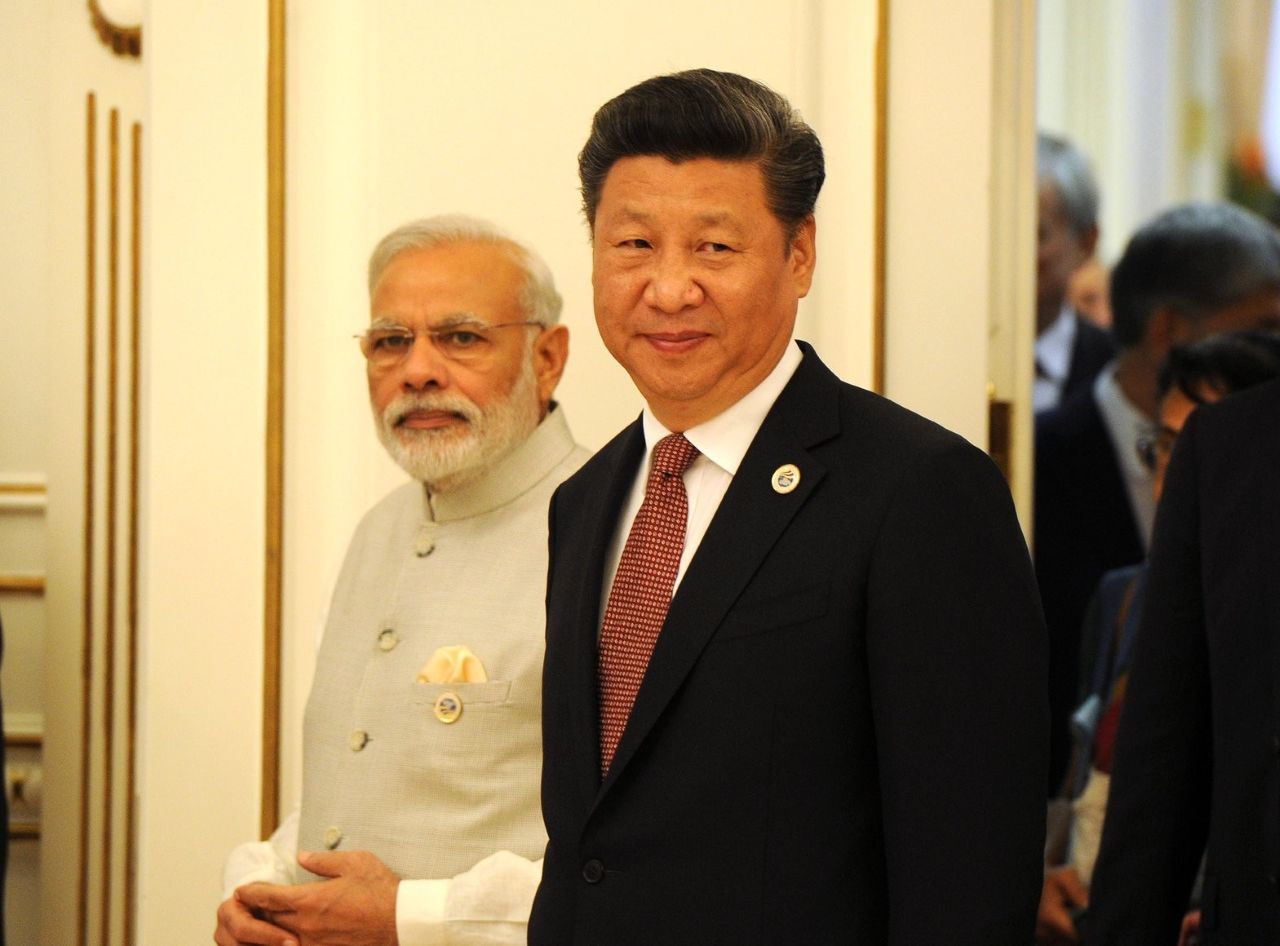
Chinese diplomats to India are saying all the right things for Indian ears, but Beijing’s policy actions are moving in the opposite direction.