/
•
•
Detailed stories on technology startups, business and economic current affairs.
India’s long-cherished dream to introduce the big cat is mired in more questions than answers.




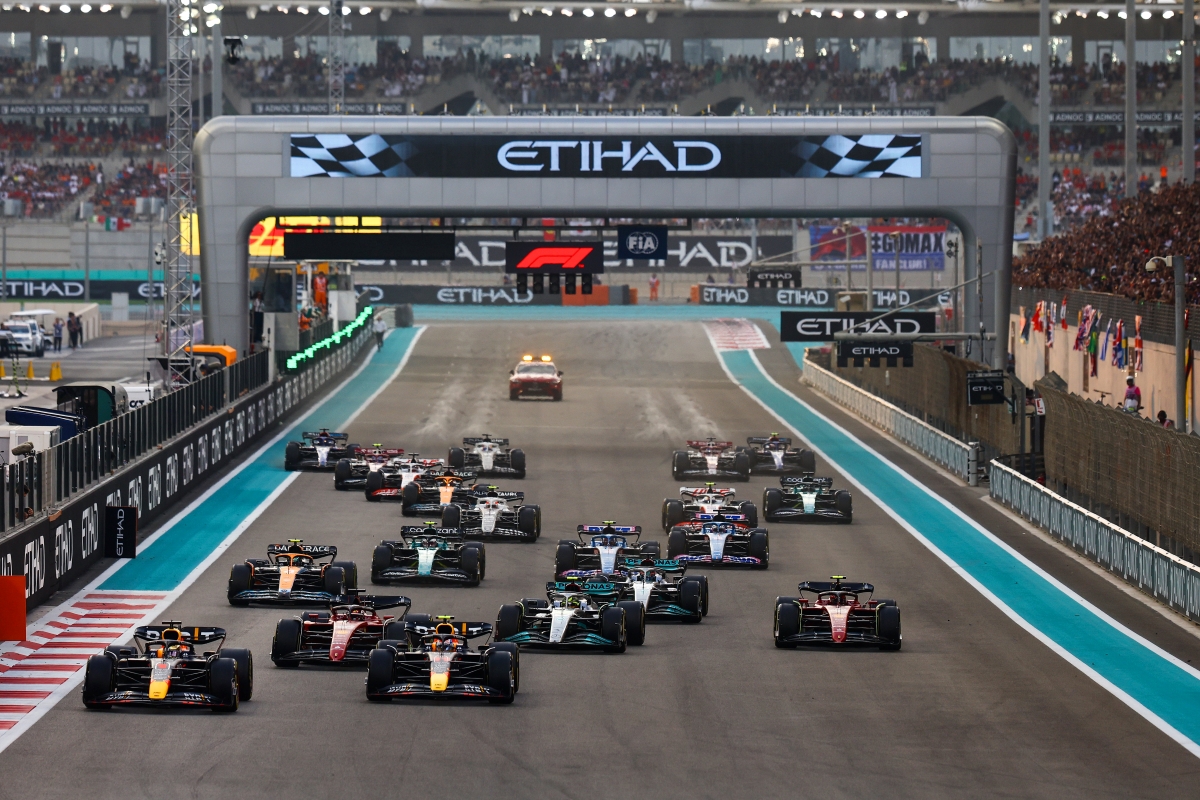
The world’s fastest land animal will bolt across the grasslands of Rajasthan and Madhya Pradesh, its muscular, rudderlike tail propelling its lithe body as the cat cuts through air with 22-foot-long strides. The blackbuck, chinkara and hares destined to become its lunch will never know what hit them: one, because it will be over in three seconds, which is all the carnivore needs to go from 0 to 100 km/hr, just like a Formula E race car; and two, because the hunter on their tail is a stranger. You see, the prey in these parts are familiar with local predators—tigers, …

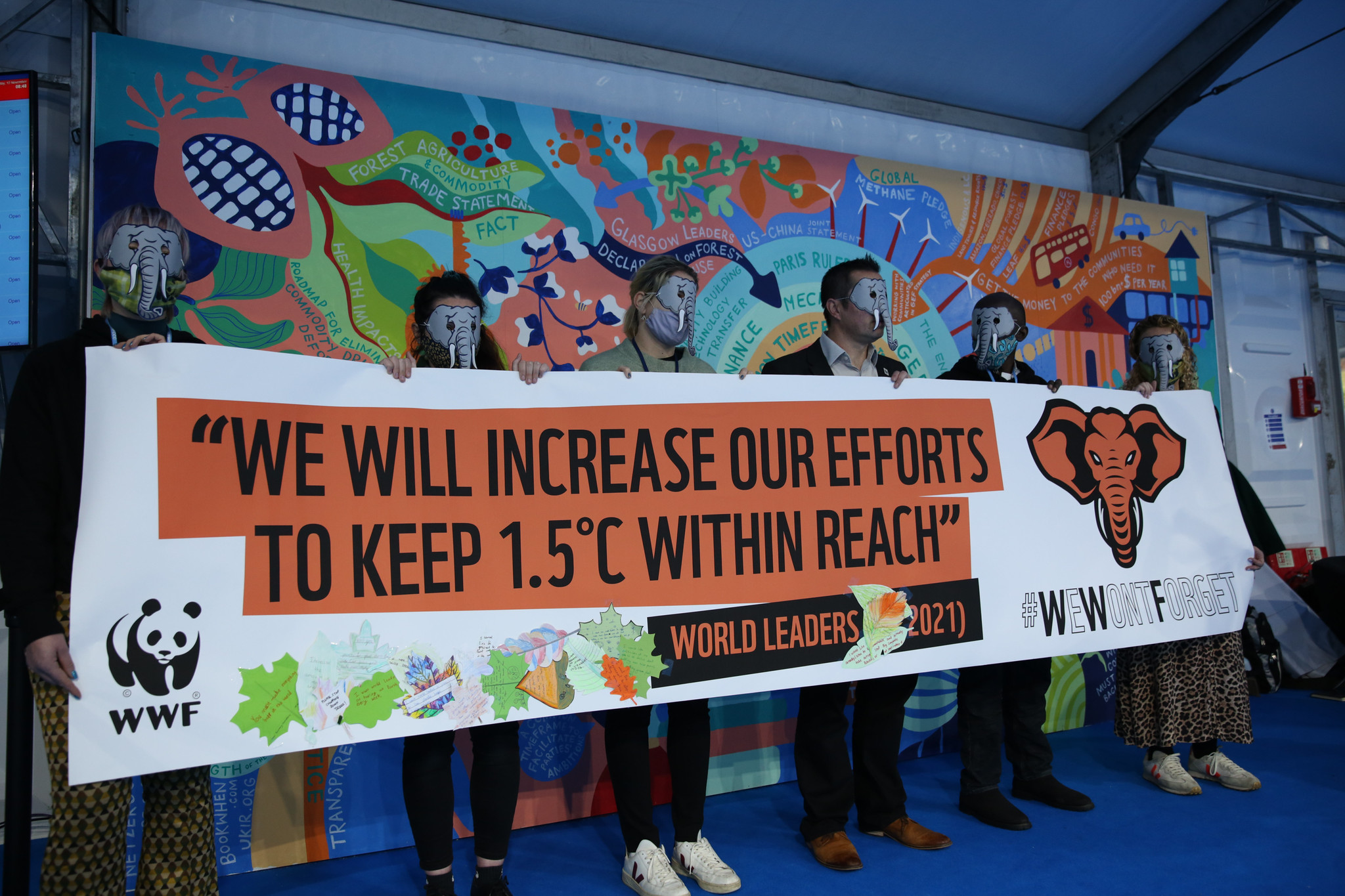
The window to prevent the worst impacts of climate change has shut. The heat is on global leaders at the annual climate talks in Brazil to deliver more than just theatre.
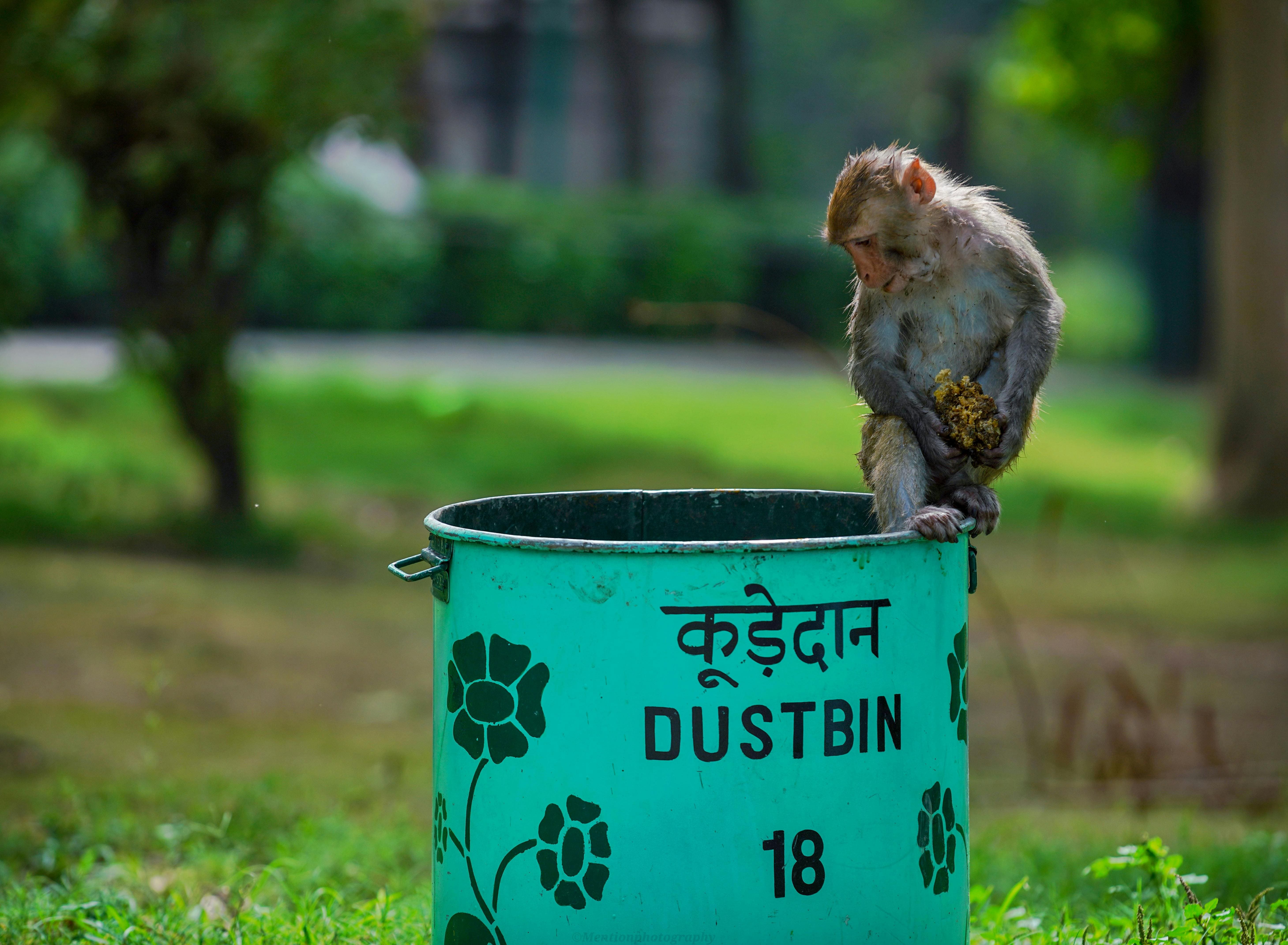
The Kanjurmarg landfill, operated by Antony Waste Handling Cell Ltd., is safe from the axe for now. But its fate remains a major source of worry for the company's shareholders and the city's residents alike.

An environmental hazard has spawned the need for these quick fixes, but do they really work?