/
•
•
Detailed stories on technology startups, business and economic current affairs.
The 2020 desert locust infestation isn’t just a plague. It’s a confluence of diplomatic, environmental and ecological complications



Editor's note: On 26 June 2020, billions of beady-eyed individuals paid Gurugram a visit. Draped in vivid yellow, they had speckled wings that were short but strong and powered them to cover nearly 150 km a day. They liked heat but loved wind; in fact, it was the wind that’d brought them here. They flew low so as to not get blown away—each one, after all, weighed a measly two grams. But together, they were Thor’s hammer. The billions had eaten as much as 10 elephants every day in the western states of Rajasthan, Gujarat and Haryana. Rajasthan was a clear favourite. After visiting there since 2019, they’d mowed 700,000 hectares of crops and left behind Rs 1,000 crore in losses. Yet they were still famished. So Gurugram, they hoped, would be a movable feast. But the humans who spotted them were horrified. Never before had they seen gigantic swarms possessed by hunger. Never before had they seen six-legged visitors carpet the sides of their buildings. Never before had they heard insects falling off their roofs like hailstones. The desert locust was …

The 2020 desert locust infestation isn’t just a plague. It’s a confluence of diplomatic, environmental and ecological complications
Editor's note: On 26 June 2020, billions of beady-eyed individuals paid Gurugram a visit. Draped in vivid yellow, they had speckled wings that were short but strong and powered them to cover nearly 150 km a day. They liked heat but loved wind; in fact, it was the wind that’d brought them here. They flew low so as to not get blown away—each one, after all, weighed a measly two grams. But together, they were Thor’s hammer. The billions had eaten as much as 10 elephants every day in the western states of Rajasthan, Gujarat and Haryana. Rajasthan was a clear favourite. After visiting there since 2019, they’d mowed 700,000 hectares of crops and left behind Rs 1,000 crore in losses. Yet they were still famished. So Gurugram, they hoped, would be a movable feast. But the humans who spotted them were horrified. Never before had they seen gigantic swarms possessed by hunger. Never before had they seen six-legged visitors carpet the sides of their buildings. Never before had they heard insects falling off their roofs like hailstones. The desert locust was …

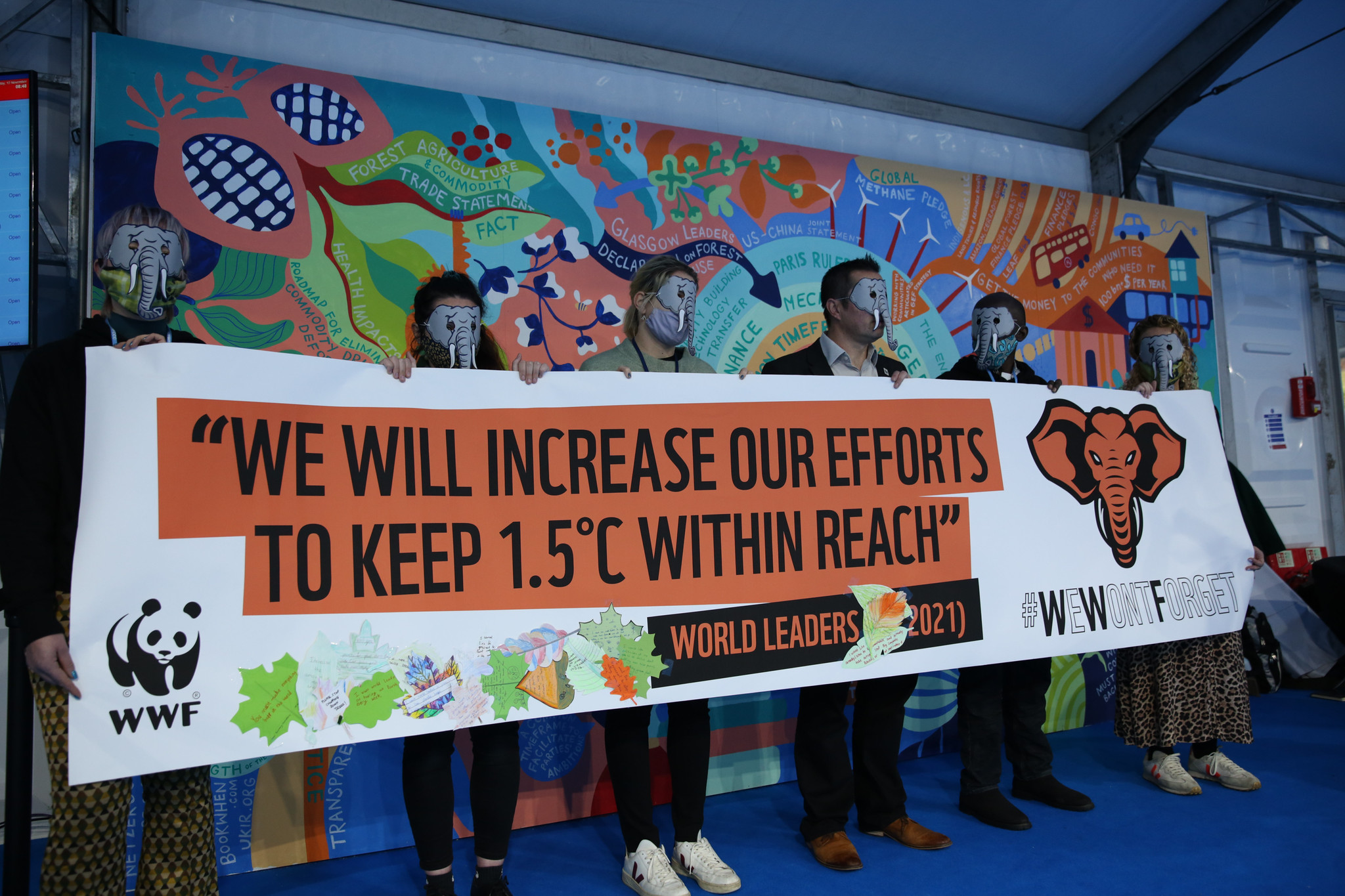
The window to prevent the worst impacts of climate change has shut. The heat is on global leaders at the annual climate talks in Brazil to deliver more than just theatre.
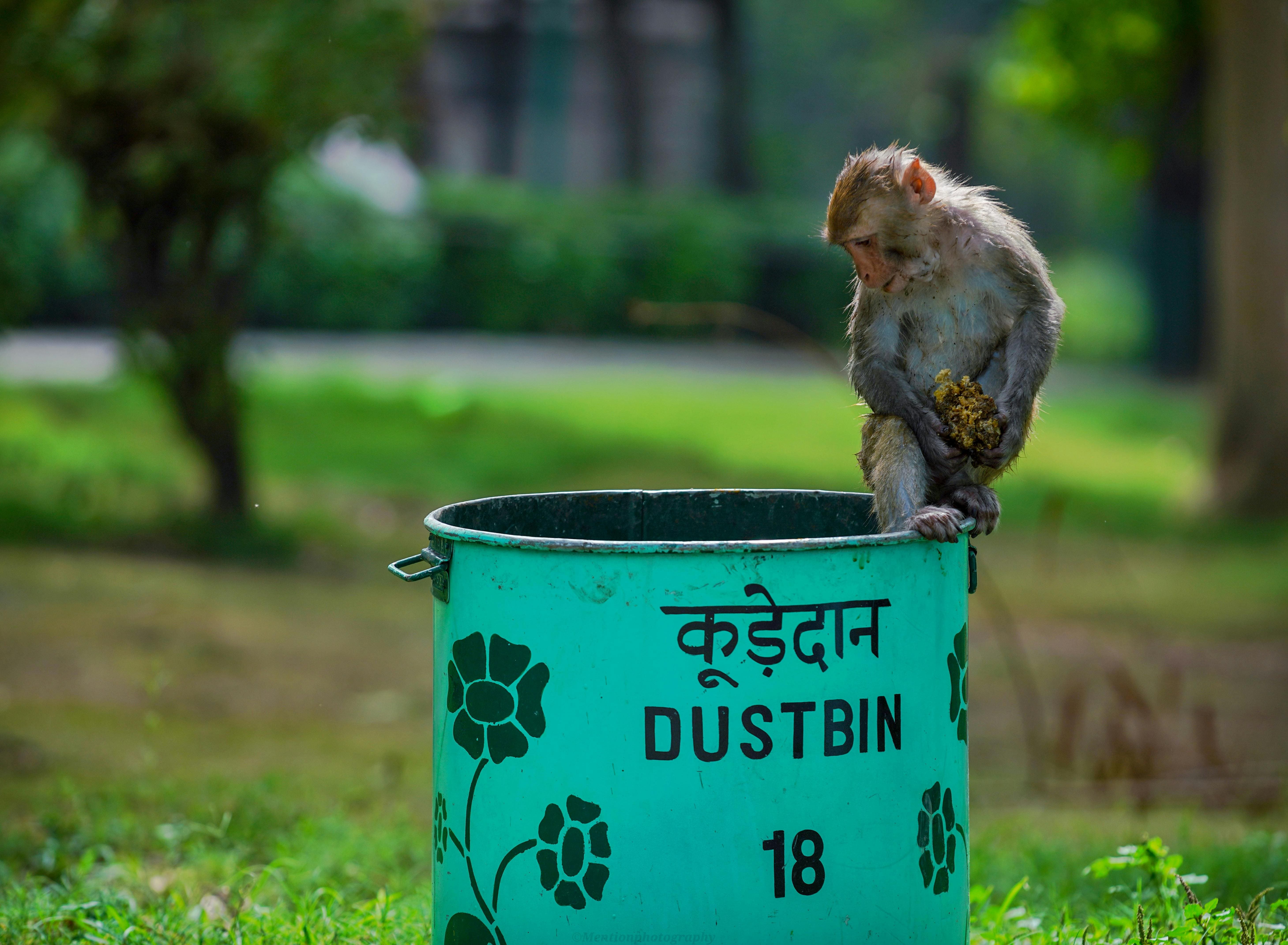
The Kanjurmarg landfill, operated by Antony Waste Handling Cell Ltd., is safe from the axe for now. But its fate remains a major source of worry for the company's shareholders and the city's residents alike.

Bluesky vs X, the UAE deluge, Adar Poonawalla’s investment in Karan Johar’s Dharma Productions and more.
The window to prevent the worst impacts of climate change has shut. The heat is on global leaders at the annual climate talks in Brazil to deliver more than just theatre.
The Kanjurmarg landfill, operated by Antony Waste Handling Cell Ltd., is safe from the axe for now. But its fate remains a major source of worry for the company's shareholders and the city's residents alike.
Bluesky vs X, the UAE deluge, Adar Poonawalla’s investment in Karan Johar’s Dharma Productions and more.