/
•
•
Detailed stories on technology startups, business and economic current affairs.
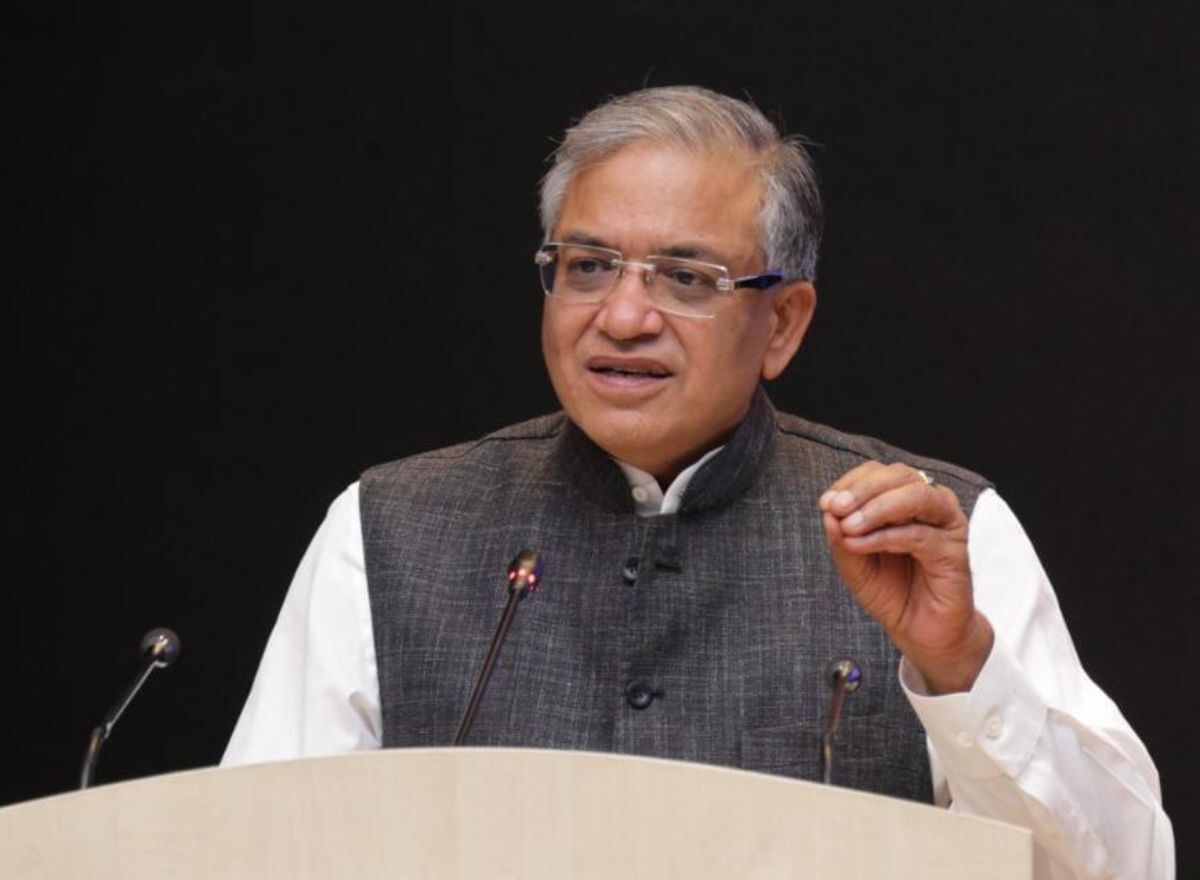
On 30 December, Prakash Javadekar kickstarted a press conference with a two-volume, 604-page tome in his hands. It was the 2019 edition of the biennial India State of Forest Report, or ISFR, and it brought good tidings. 2019 had otherwise been a year of critical opprobrium for the newly inducted environment minister.
He had promised to fast-track environmental clearances, backed the controversial felling of trees in Mumbai’s Aarey Colony and proclaimed there’s no link between pollution and shorter lifespans (which saw a sharp response from the World Health Organization).
The 2019 forest report, then, was a bright spot to be …

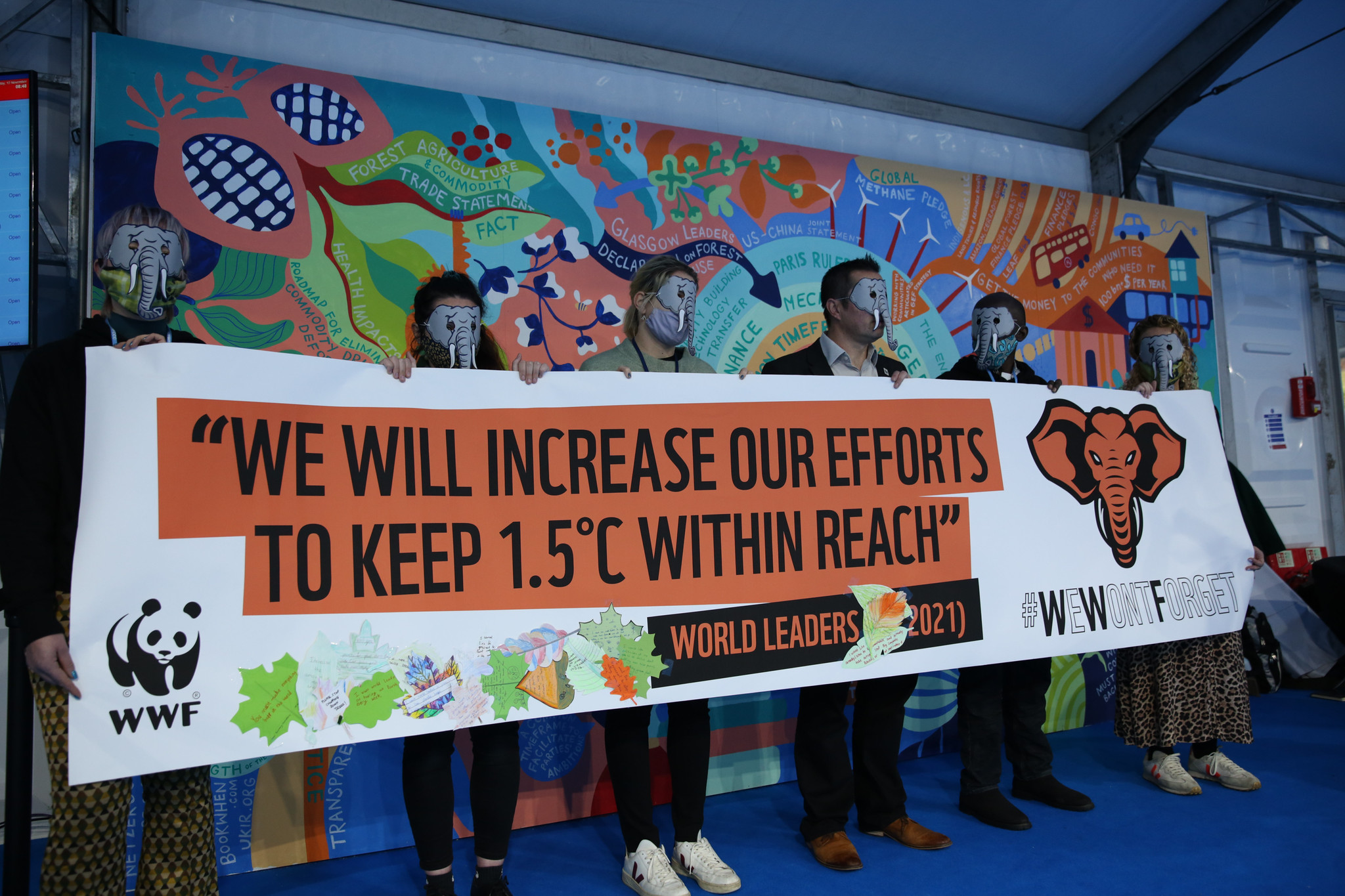
The window to prevent the worst impacts of climate change has shut. The heat is on global leaders at the annual climate talks in Brazil to deliver more than just theatre.

The Kanjurmarg landfill, operated by Antony Waste Handling Cell Ltd., is safe from the axe for now. But its fate remains a major source of worry for the company's shareholders and the city's residents alike.

An environmental hazard has spawned the need for these quick fixes, but do they really work?