/
•
•
Detailed stories on technology startups, business and economic current affairs.
As India wanders into the jaws of monopoly, the question is whether it can try to extract its pound of flesh from the monopolist.



A spectre is haunting India—the spectre of corporate monopoly. With VI bleeding subscribers and its finances in disarray (leading to the government taking a 36% stake in the firm), and BSNL barely managing to keep its subscriber base and unable to invest further in its network, Airtel and Jio now collectively account for almost 77% of wireless subscribers and 80% of all broadband connections in the country. With mobile number portability making subscriber loyalty a thing of the past, it is not unlikely that the Indian telecom market will end up in a duopoly. This degree of industry concentration is …

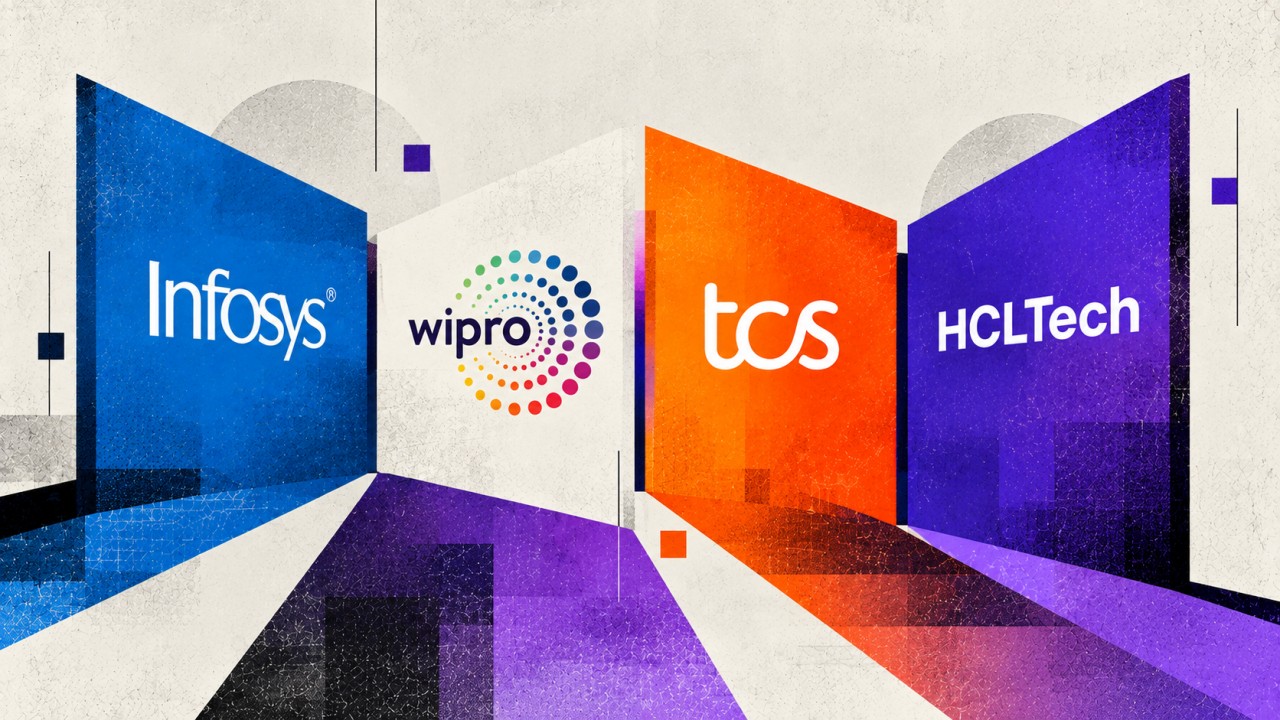
Once seen as a threat, global capability centres appear to be becoming a potential growth driver for the country’s IT giants.

Elon Musk’s satellite internet promises a new way to get online. How will it coexist with the country's telecom giants?

A quarter with subscriber gains portends well for the telecom operator, but its underlying metrics tell a more cautious story.