/
•
•
Detailed stories on technology startups, business and economic current affairs.
Digitization of genetic material has helped develop life-saving products like COVID-19 vaccines. But it has also exposed gaps in global biodiversity regulations.



Editor's note: Over a decade before the COVID-19 virus was detected, an organization began an ambitious project to track the various strains of the influenza virus across the world. The Global Initiative on Sharing All Influenza Data, or GISAID, has, over the years, managed to create a bank of genetic information on lethal viruses. All of this information is available on a digital portal, with the aim of making health data accessible to all. This is a crucial resource. Using a genetic sequence from the GISAID database, one can learn about the spike protein on the virus’s surface and develop a vaccine to fight it. “This spike protein is something that attaches to the human host,” explains Raj Rajnarayanan, assistant dean of research and associate professor, NYITCOM, at Arkansas State University. “So if you plot the spike, you block it from attaching to the host.” By 10 January 2020, when China uploaded the first genetic sequence of the novel coronavirus, GISAID featured over 5 million genetic sequences of viruses from around the world. Today, it is widely acknowledged that the information available …

Digitization of genetic material has helped develop life-saving products like COVID-19 vaccines. But it has also exposed gaps in global biodiversity regulations.
Editor's note: Over a decade before the COVID-19 virus was detected, an organization began an ambitious project to track the various strains of the influenza virus across the world. The Global Initiative on Sharing All Influenza Data, or GISAID, has, over the years, managed to create a bank of genetic information on lethal viruses. All of this information is available on a digital portal, with the aim of making health data accessible to all. This is a crucial resource. Using a genetic sequence from the GISAID database, one can learn about the spike protein on the virus’s surface and develop a vaccine to fight it. “This spike protein is something that attaches to the human host,” explains Raj Rajnarayanan, assistant dean of research and associate professor, NYITCOM, at Arkansas State University. “So if you plot the spike, you block it from attaching to the host.” By 10 January 2020, when China uploaded the first genetic sequence of the novel coronavirus, GISAID featured over 5 million genetic sequences of viruses from around the world. Today, it is widely acknowledged that the information available …

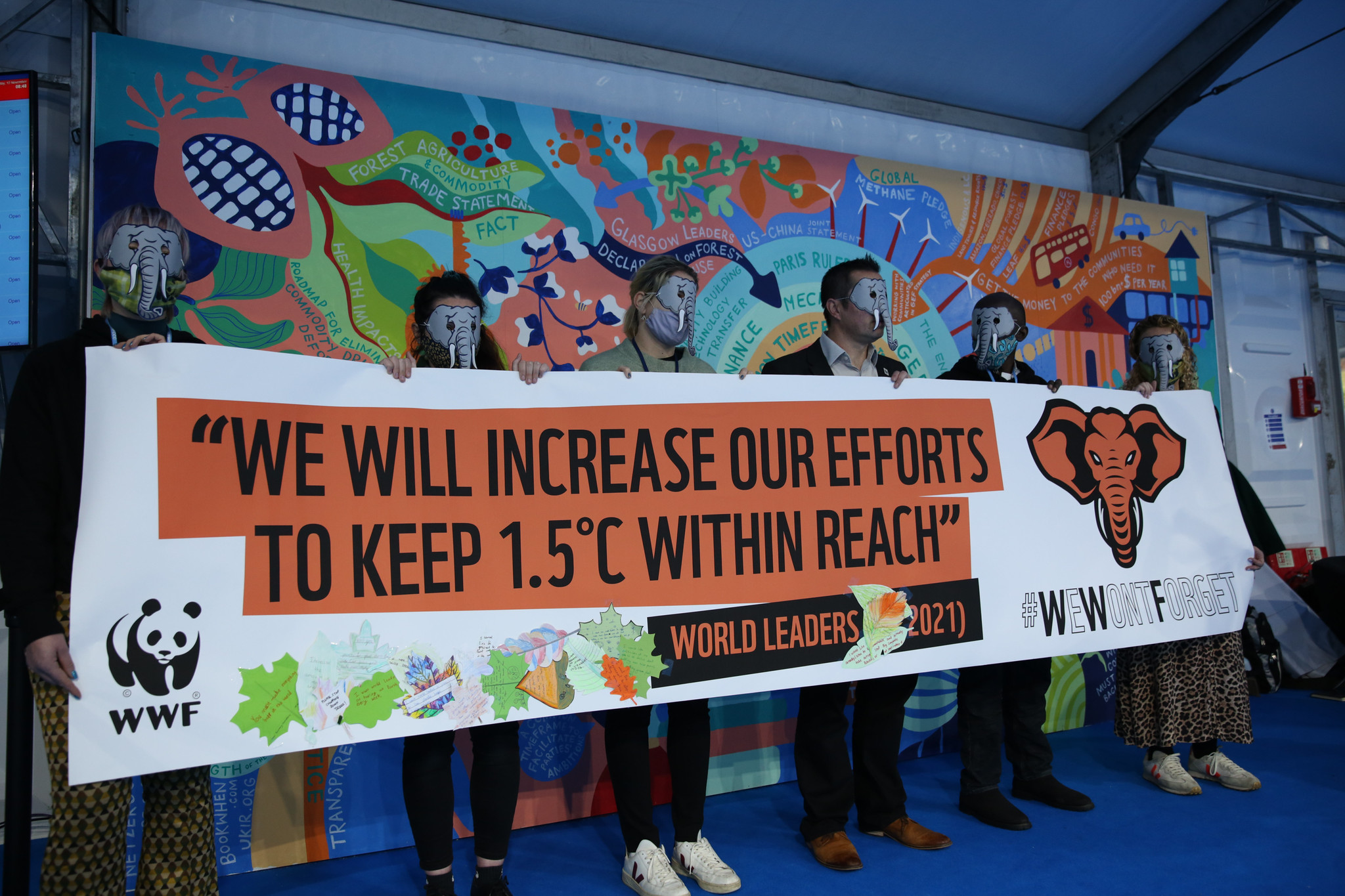
The window to prevent the worst impacts of climate change has shut. The heat is on global leaders at the annual climate talks in Brazil to deliver more than just theatre.
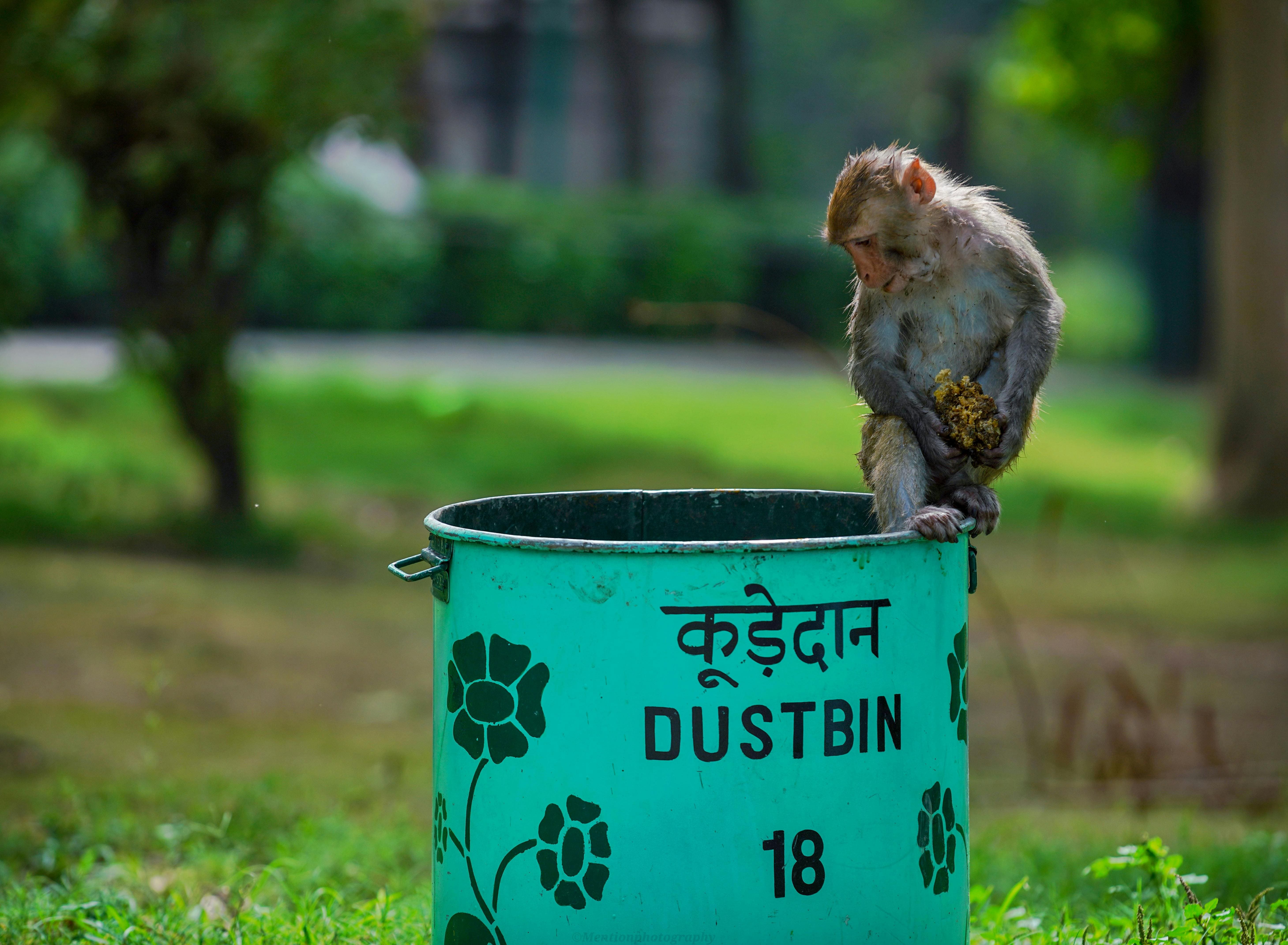
The Kanjurmarg landfill, operated by Antony Waste Handling Cell Ltd., is safe from the axe for now. But its fate remains a major source of worry for the company's shareholders and the city's residents alike.

Quick-commerce apps are likely to run into regulations and poor order volumes as they try to grow this business.
The window to prevent the worst impacts of climate change has shut. The heat is on global leaders at the annual climate talks in Brazil to deliver more than just theatre.
The Kanjurmarg landfill, operated by Antony Waste Handling Cell Ltd., is safe from the axe for now. But its fate remains a major source of worry for the company's shareholders and the city's residents alike.
Quick-commerce apps are likely to run into regulations and poor order volumes as they try to grow this business.