/
•
•
Detailed stories on technology startups, business and economic current affairs.
After addressing environmental issues through the prism of conflict, it is time for this newsletter to tackle a broader range of subjects.




You are reading the 24th and final edition of Thirty-six.
We launched this weekly newsletter on environmental conflicts in India, across its 28 states and eight union territories (hence the name). The Chaos team at The Morning Context published it every Wednesday, bringing original insights and even breaking stories.
The newsletter’s mandate to focus on environmental conflicts was a commendable decision. It paid heed to an ongoing evolution in the way nature is studied.
Since the dawn of modern academic disciplines, the study of nature and environmental change has been the domain of science. To understand trees, after all, biology …

There is a slowdown in transaction volumes and analysts are projecting a decline in future prices. But nobody is anticipating any crashes yet.
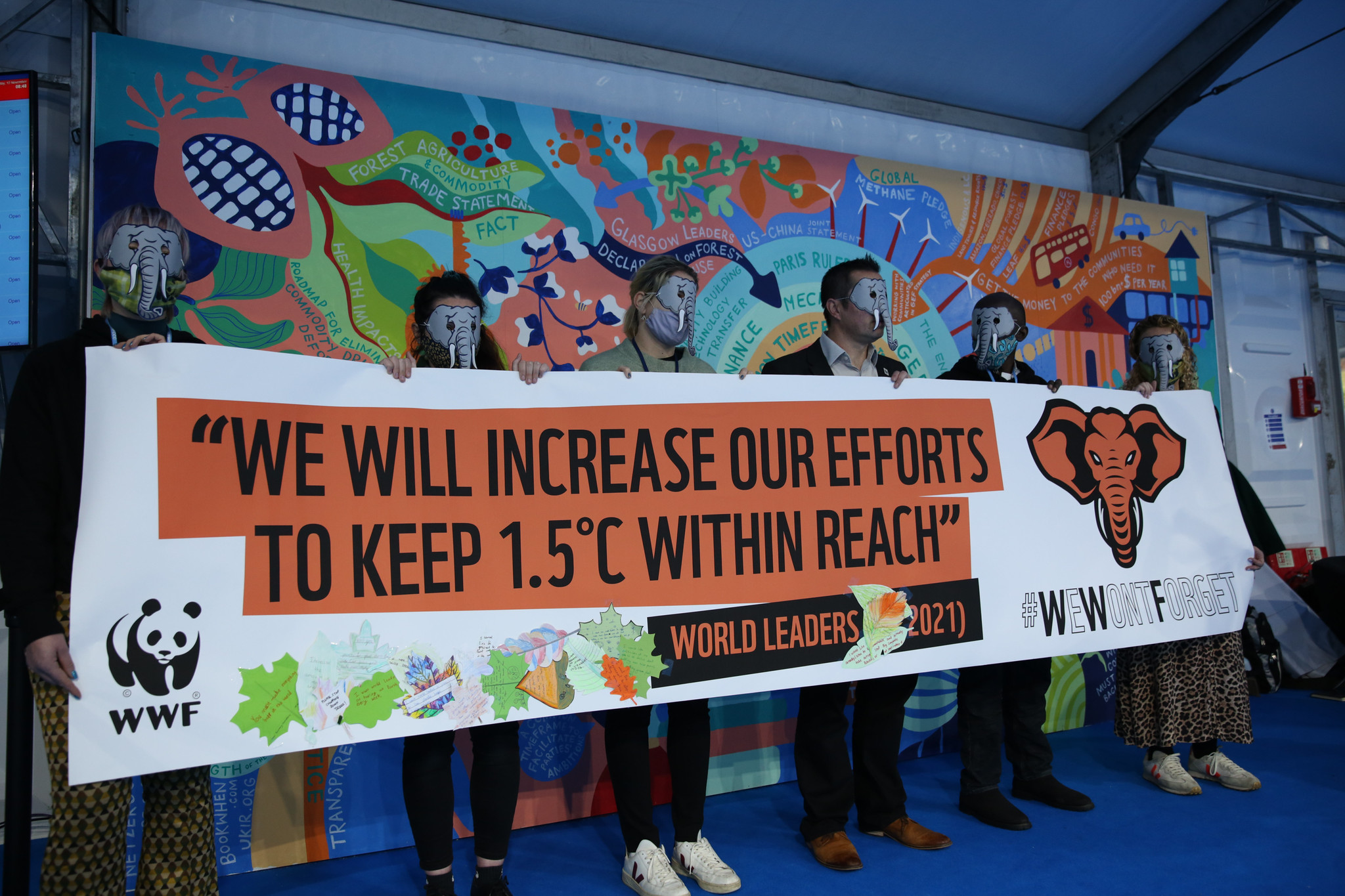
The window to prevent the worst impacts of climate change has shut. The heat is on global leaders at the annual climate talks in Brazil to deliver more than just theatre.
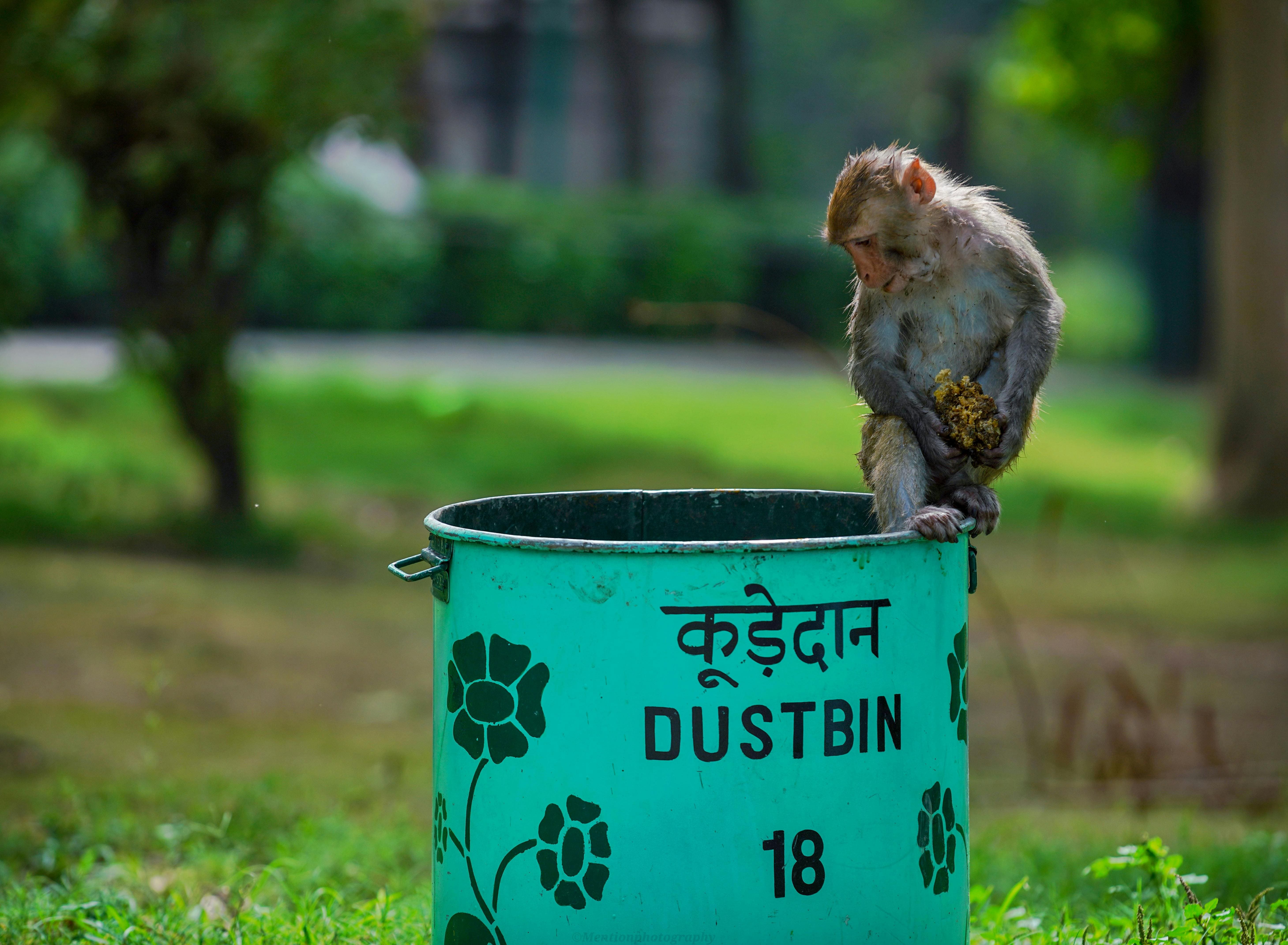
The Kanjurmarg landfill, operated by Antony Waste Handling Cell Ltd., is safe from the axe for now. But its fate remains a major source of worry for the company's shareholders and the city's residents alike.