/
•
•
Detailed stories on technology startups, business and economic current affairs.
Not only does the government lack a comprehensive plan to tackle the current spurt in cases, it has little lined up to deal with a potential third wave of the pandemic.



Editor's note: On the evening of 19 April, hours before India’s national capital went under a complete lockdown to control the spread of COVID-19, relatives of 23-year-old Nidhi Kumari were struggling to find her a hospital with a vacant bed and ventilator. Nidhi, who was 25 weeks pregnant, had an oxygen saturation, or SpO2, level at a dangerously low 60. At the time, she was in a state-run hospital which did not have a vacant bed with a ventilator. So her relatives and some volunteers engaged in a desperate search to find her a ventilator bed in any hospital that would be willing to admit her. “On 18 April, as her SpO2 levels started to dip, doctors at the LNJP Hospital told us to find her a ventilator bed as they didn’t have one. We tried many hospitals, even got a letter from an Aam Aadmi Party [the ruling party in Delhi] MLA endorsing our request, but eventually did not find a ventilator bed despite repeated efforts on 18 and 19 April,” said Raja Ravi Gautam, a family friend who stayed with Nidhi …

Not only does the government lack a comprehensive plan to tackle the current spurt in cases, it has little lined up to deal with a potential third wave of the pandemic.
Editor's note: On the evening of 19 April, hours before India’s national capital went under a complete lockdown to control the spread of COVID-19, relatives of 23-year-old Nidhi Kumari were struggling to find her a hospital with a vacant bed and ventilator. Nidhi, who was 25 weeks pregnant, had an oxygen saturation, or SpO2, level at a dangerously low 60. At the time, she was in a state-run hospital which did not have a vacant bed with a ventilator. So her relatives and some volunteers engaged in a desperate search to find her a ventilator bed in any hospital that would be willing to admit her. “On 18 April, as her SpO2 levels started to dip, doctors at the LNJP Hospital told us to find her a ventilator bed as they didn’t have one. We tried many hospitals, even got a letter from an Aam Aadmi Party [the ruling party in Delhi] MLA endorsing our request, but eventually did not find a ventilator bed despite repeated efforts on 18 and 19 April,” said Raja Ravi Gautam, a family friend who stayed with Nidhi …
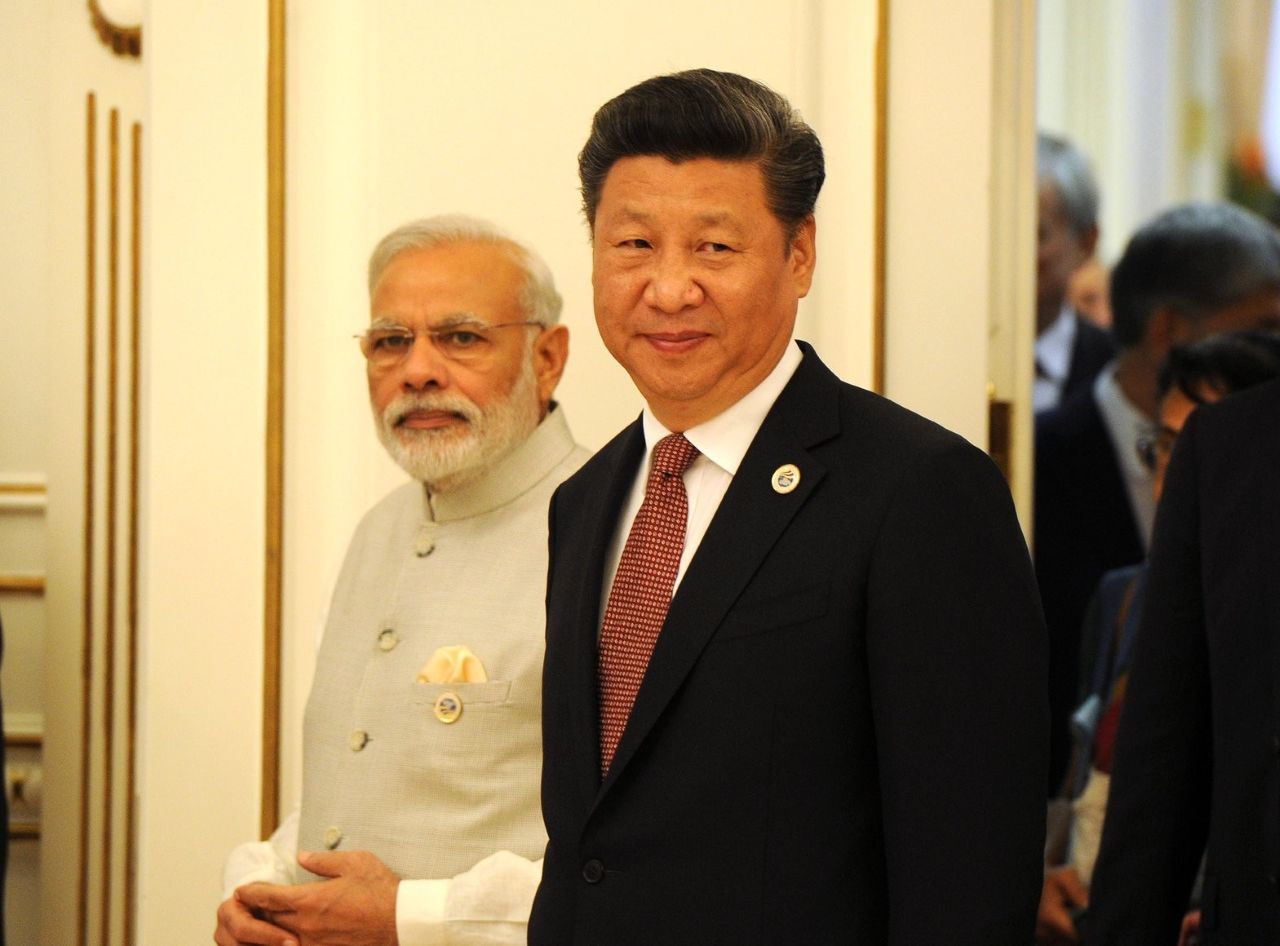
Chinese diplomats to India are saying all the right things for Indian ears, but Beijing’s policy actions are moving in the opposite direction.

The country's fighter jet roadmap rests on imported propulsion, leaving its military plans hostage to cost shocks, delays and geopolitics.

Healthcare is one of the fastest growing sectors. For young professionals, the sector offers a spectrum of opportunities beyond medicine, spanning hospital operations, data analytics, corporate strategy, and digital health.
Chinese diplomats to India are saying all the right things for Indian ears, but Beijing’s policy actions are moving in the opposite direction.
The country's fighter jet roadmap rests on imported propulsion, leaving its military plans hostage to cost shocks, delays and geopolitics.
Healthcare is one of the fastest growing sectors. For young professionals, the sector offers a spectrum of opportunities beyond medicine, spanning hospital operations, data analytics, corporate strategy, and digital health.