/
•
•
Detailed stories on technology startups, business and economic current affairs.
Civil society organizations are crucial for last-mile delivery of services and relief, especially when a pandemic is raging. Yet the restrictive new FCRA rules have left them starved of funds and unable to respond to those in need.



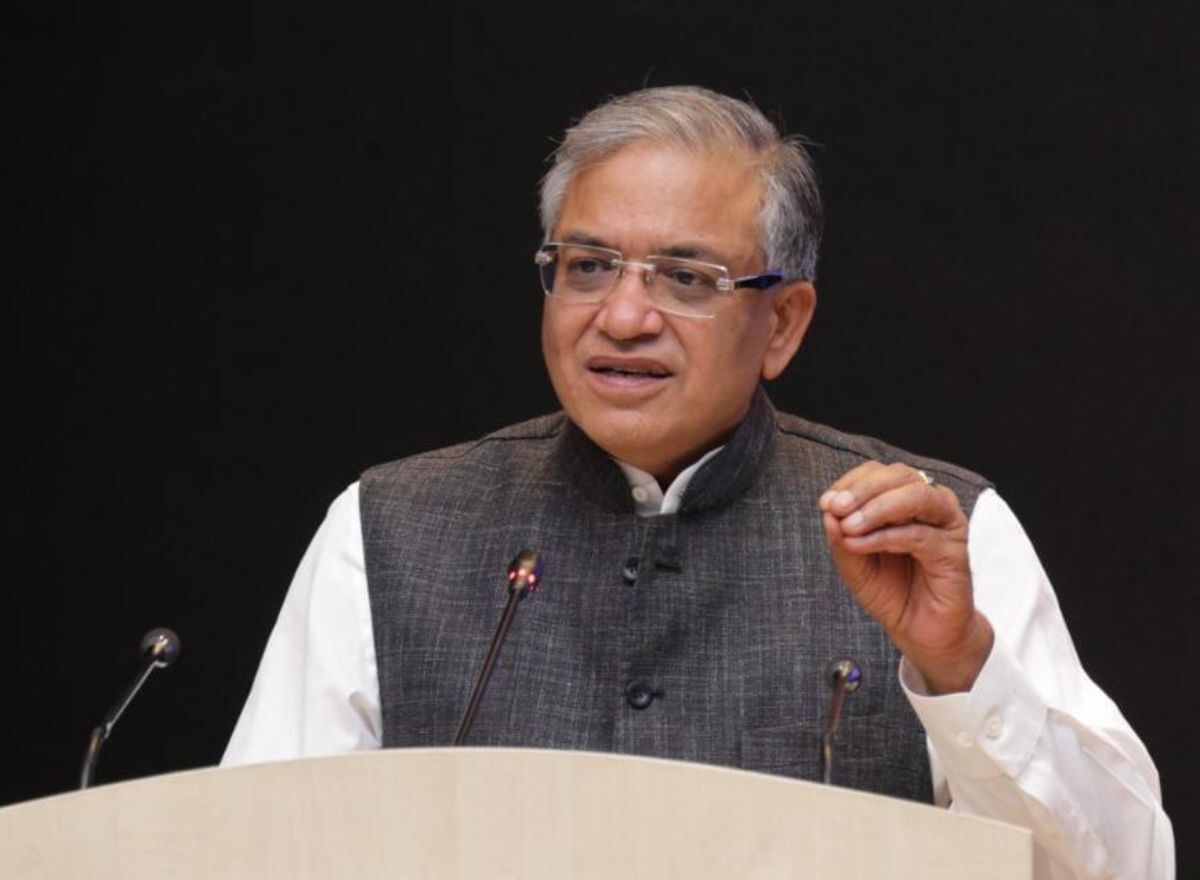
Four days.
That’s how long the family of six—a day labourer, his ailing, widowed mother, his homemaker wife, and three children—in Khajuri Khas, northeast Delhi, had gone without food. The man, his livelihood lost to the lockdown imposed in Delhi since 19 April to fight the second wave of COVID-19, had tried his best to put two square meals on the table, but this wiped out his meagre savings. His small pantry had run out of staples.
By the end of day four, hunger and the sunken eyes of his children forced his self-respect and shame into submission. He picked …
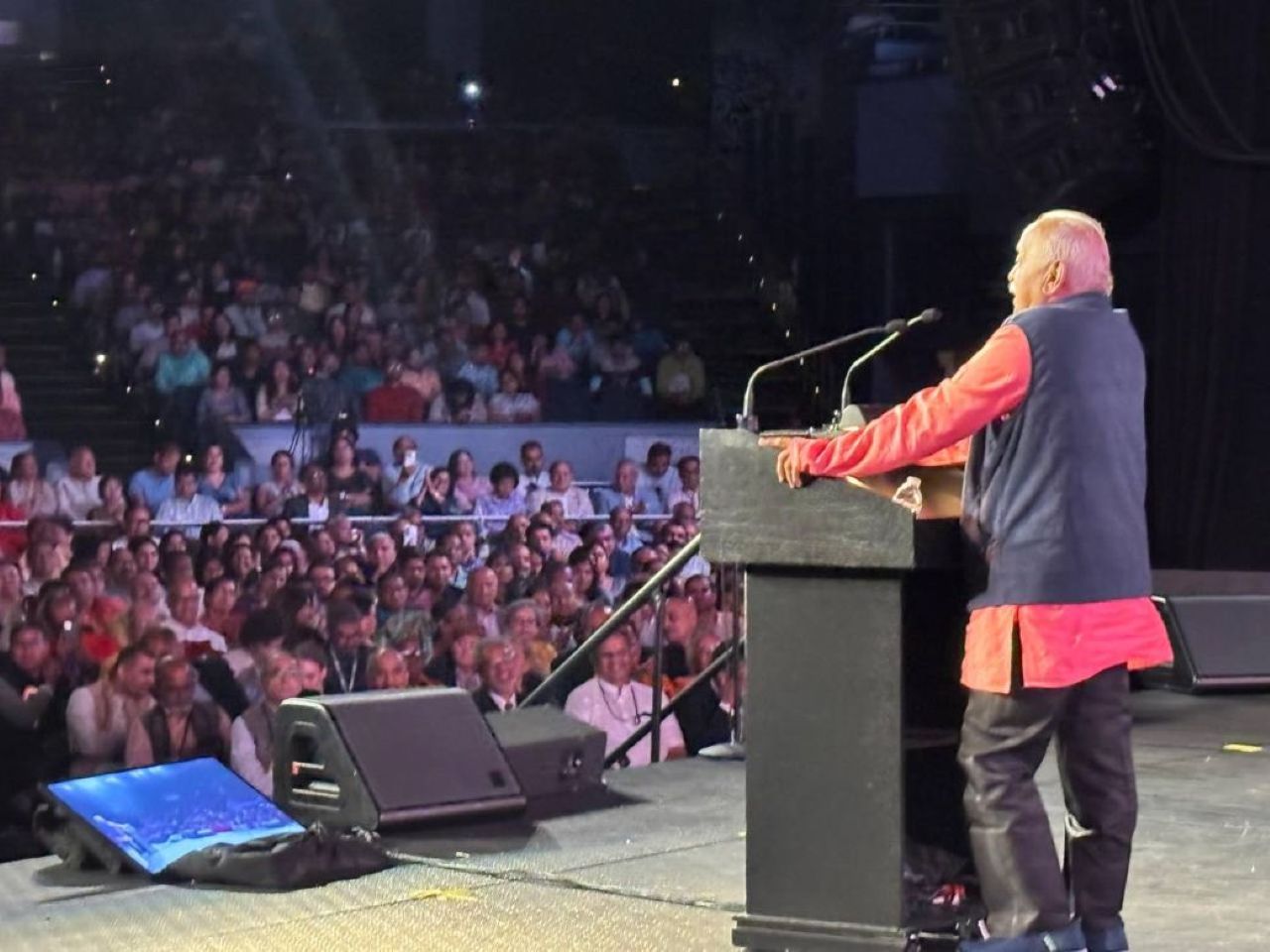
Influence cannot be manufactured through diaspora networks, carefully branded events or political donations. It requires honesty and credibility.
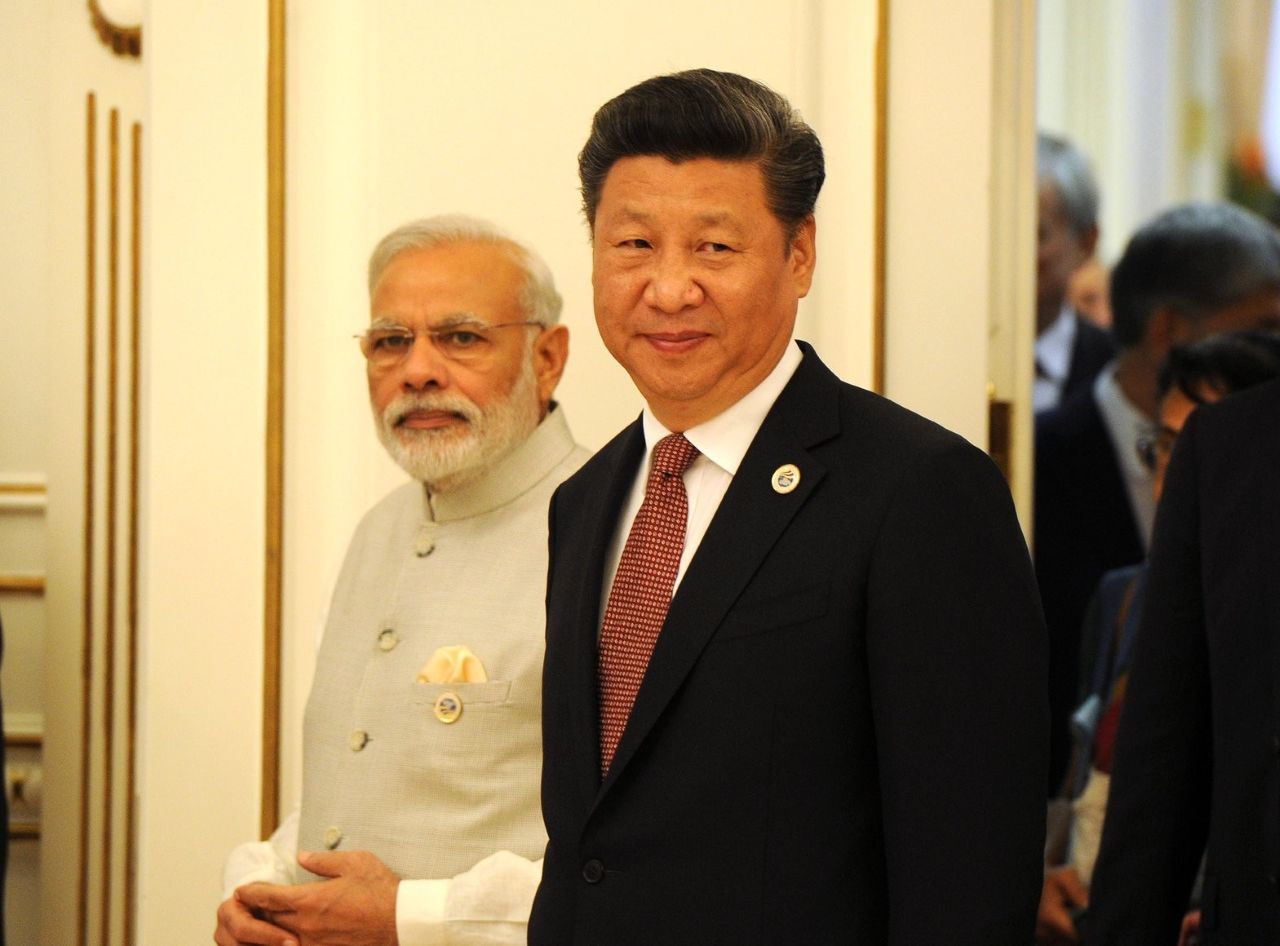
Chinese diplomats to India are saying all the right things for Indian ears, but Beijing’s policy actions are moving in the opposite direction.

The country's fighter jet roadmap rests on imported propulsion, leaving its military plans hostage to cost shocks, delays and geopolitics.