/
•
•
Detailed stories on technology startups, business and economic current affairs.
Once a front runner in India’s shared mobility space and a contender in the EV race, the firm is in the throes of disintegration. How did it get here?



During a recent all-hands call, Vivekananda Hallekere, co-founder and CEO of Bengaluru-based mobility firm Bounce, told employees that there was no cash in the company, according to an industry expert.
Bad as it might seem, the news doesn’t come as a surprise. At least six people, including the firm’s former employees and independent industry experts, said the company is cash-strapped. They all requested anonymity. According to data from Venture Intelligence, Bounce last raised $99 million in a Series D funding round led by Accel India and B Capital Group in January 2020, a couple of months before India went into …
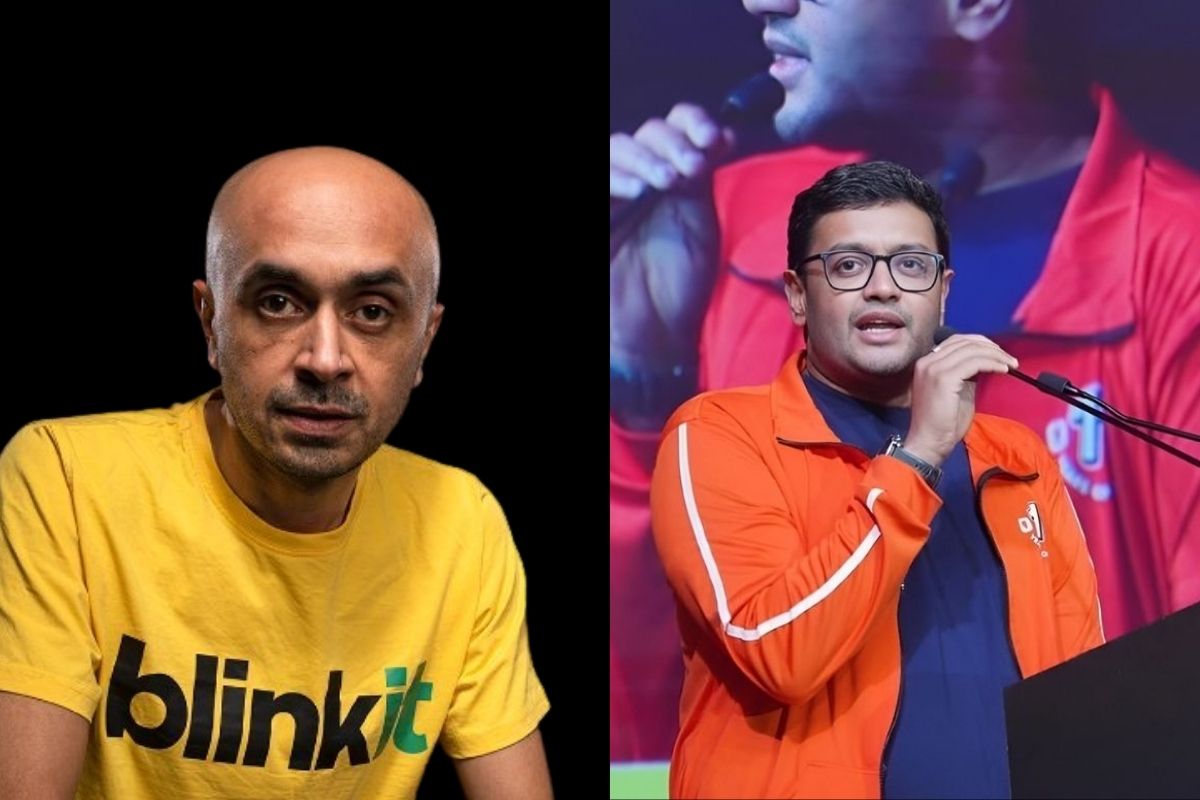
The contrasting approaches are driven by two very different strategies. One wants to capture more markets; the other is focused on discipline and profits.
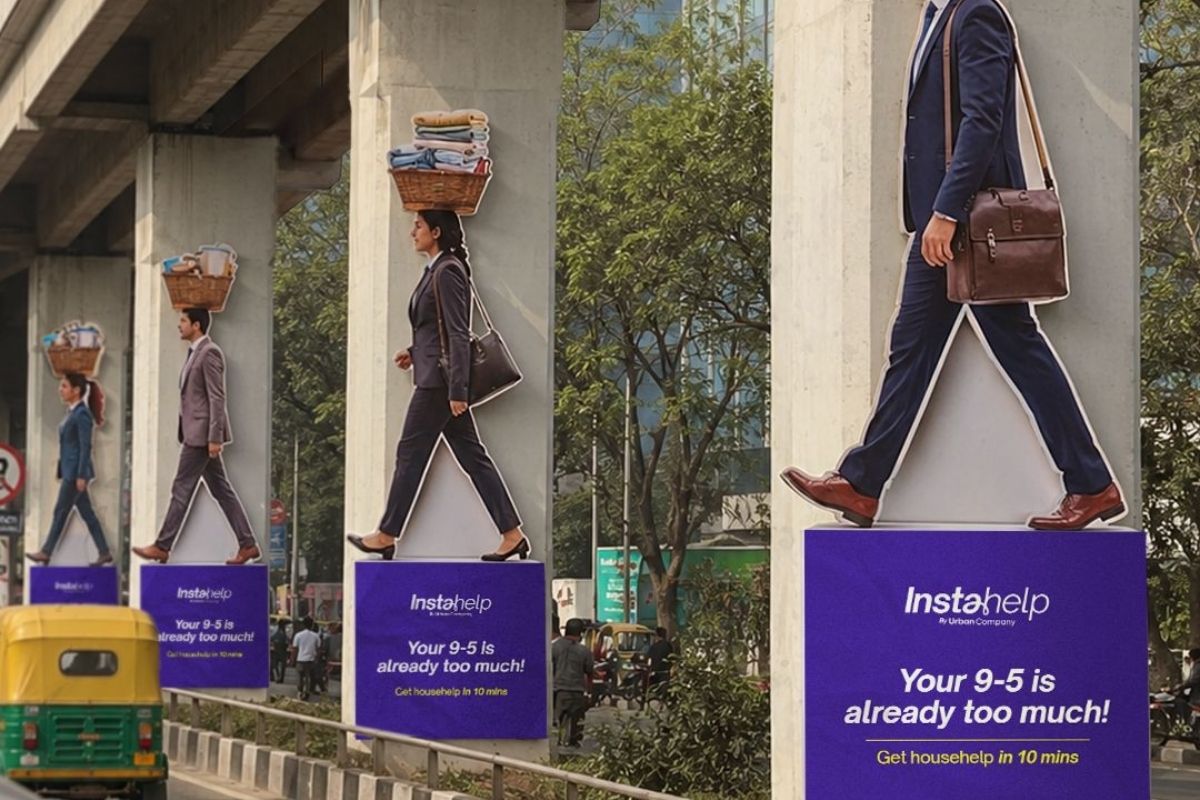
The instant house help business has become the centre of focus and investment at the home services company. But another fight may be brewing in its core business.

India’s grocery and food delivery platforms are increasingly displaying misleading images of food using artificial intelligence, defeating the very purpose of buying online.