/
•
•
Detailed stories on technology startups, business and economic current affairs.
Even as the hotel franchising startup cuts costs and tries to revamp its Chinese operations, a slew of strong local rivals have cropped up.



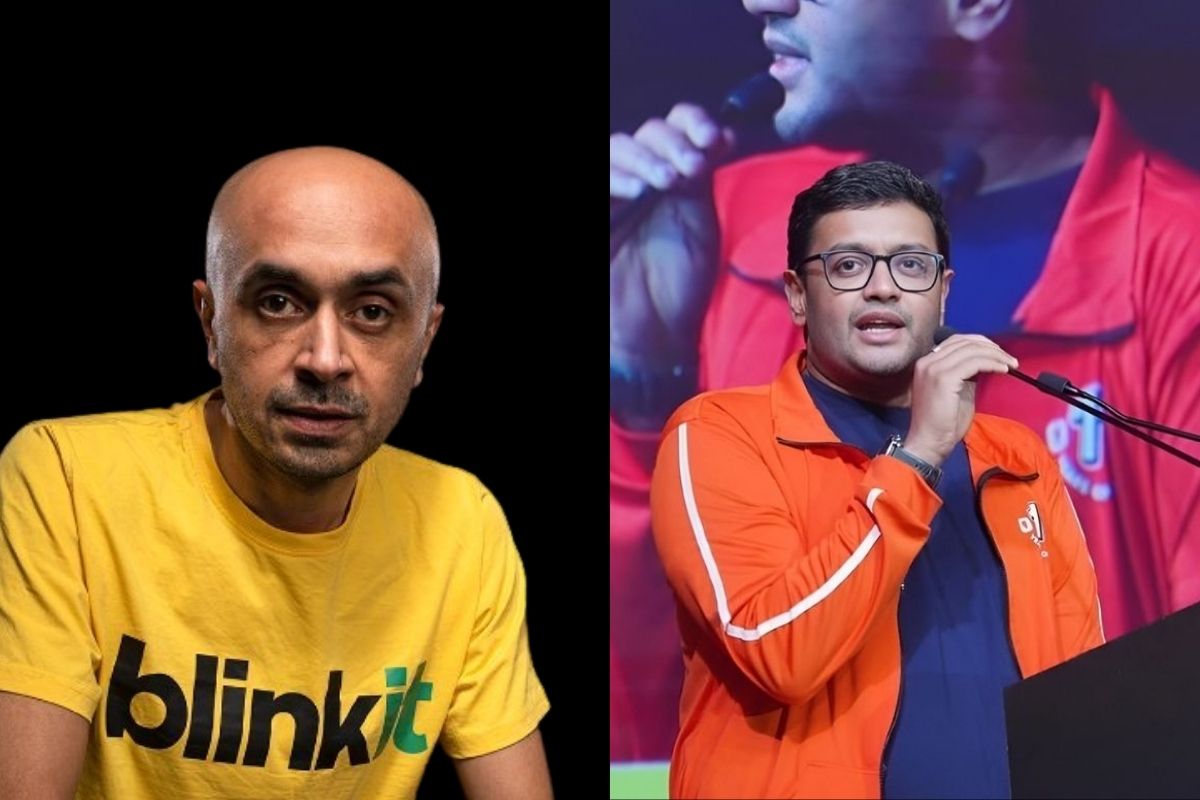
In the era of Uber, WeWork and Ofo, we have become weary of fast-growing startups propelled by venture capital money, led by young men long on ambition and short on experience. OYO, India’s embattled hospitality chain, founded by CEO Ritesh Agarwal in 2013 when he was just 19 years old, seems to teeter on the edge of fulfilling that familiar boom-to-bust arc. In the last month, OYO has made sizeable job cuts in offices across the world and exited 200 cities in the name of restructuring, amid backlash from investors and partners all over.
In China, OYO’s second largest market, …

The UAE is looking at its first public listing of the year while Egypt just delivered a big one; OpenAI’s bugging accused has ties to Saudi Arabia; and other updates from the week.

The arrest and charges against an employee of the artificial intelligence company, fewer early-stage VC deals, and other updates.

The Walmart-owned e-commerce company has entered microdramas and food delivery. Is it thinking long-term or just chasing a trend?