/
•
•
Detailed stories on technology startups, business and economic current affairs.



Editor's note: This is the second edition of Things Change, The Morning Context’s weekly newsletter. Things Change will land in your inbox every Thursday with sharp, original insight on subjects making the news that need to be better understood. It will be written by the best writers and subject experts, both in-house and external. This week, we are putting the content business in perspective. China is closer to Netflix than you think 2019 has been a good year for China’s video streaming companies. Maybe good is an understatement. With an online video user base of more than 600 million (as against 325 million in India), explosive is the word being used to describe the market. Among the big players, there is iQIYI from Baidu, Tencent Video from Tencent and Youku from Alibaba. China’s famous “BAT” trinity are doing to content and streaming what they did to all of technology. Build their own (replicas of) products for their people and doing a kickass job at it. All three Chinese platforms run on a freemium model: part subscription, part advertising. For the quarter ended …
Editor's note: This is the second edition of Things Change, The Morning Context’s weekly newsletter. Things Change will land in your inbox every Thursday with sharp, original insight on subjects making the news that need to be better understood. It will be written by the best writers and subject experts, both in-house and external. This week, we are putting the content business in perspective. China is closer to Netflix than you think 2019 has been a good year for China’s video streaming companies. Maybe good is an understatement. With an online video user base of more than 600 million (as against 325 million in India), explosive is the word being used to describe the market. Among the big players, there is iQIYI from Baidu, Tencent Video from Tencent and Youku from Alibaba. China’s famous “BAT” trinity are doing to content and streaming what they did to all of technology. Build their own (replicas of) products for their people and doing a kickass job at it. All three Chinese platforms run on a freemium model: part subscription, part advertising. For the quarter ended …
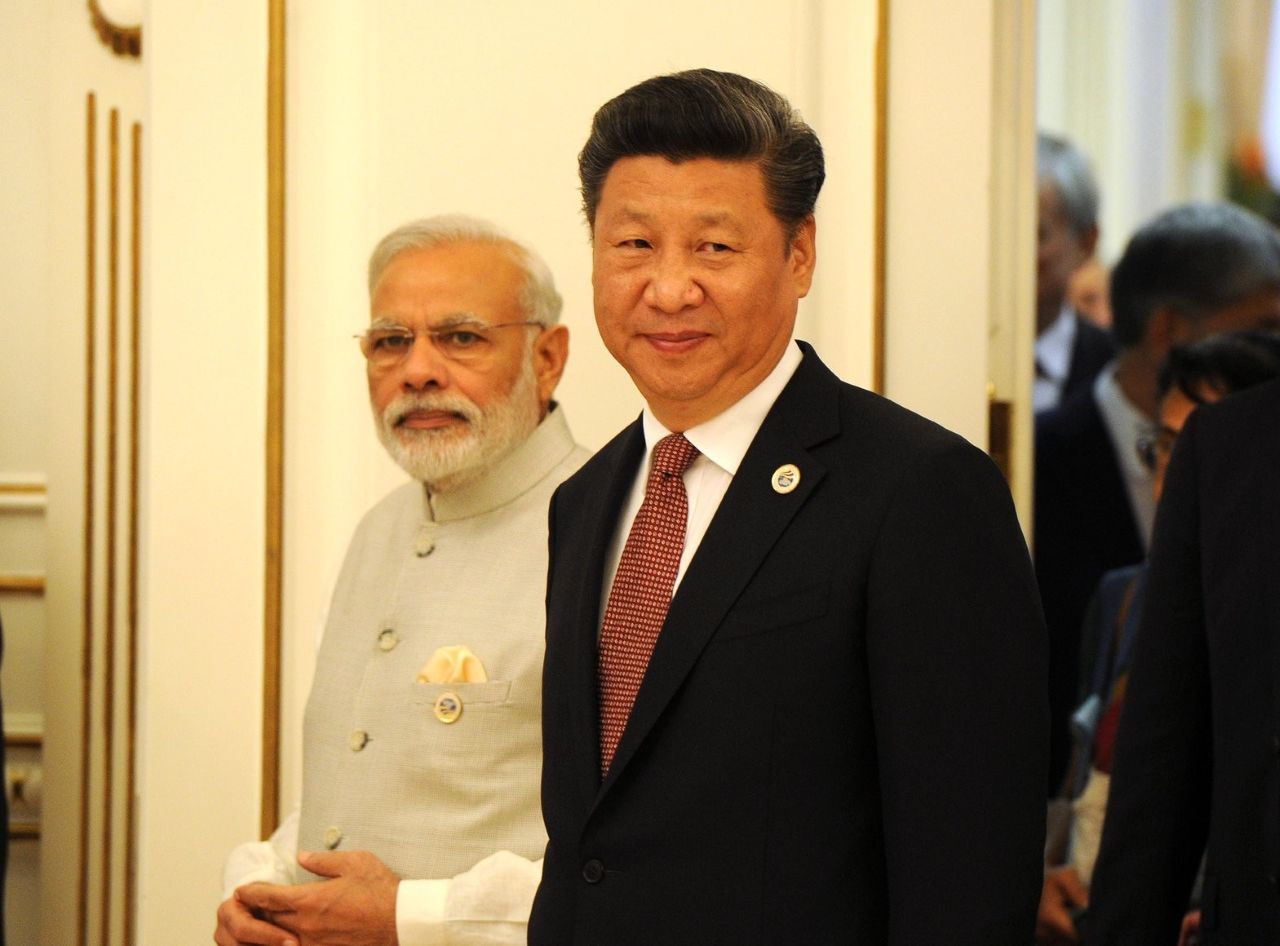
Chinese diplomats to India are saying all the right things for Indian ears, but Beijing’s policy actions are moving in the opposite direction.

The JSW Steel founder is embarking on an unprecedented expansion, betting on Japan’s JFE and Korea’s POSCO to share the load. But rivalries, debt and market risks could complicate the plan.
Chinese diplomats to India are saying all the right things for Indian ears, but Beijing’s policy actions are moving in the opposite direction.
The JSW Steel founder is embarking on an unprecedented expansion, betting on Japan’s JFE and Korea’s POSCO to share the load. But rivalries, debt and market risks could complicate the plan.