/
•
•
Detailed stories on technology startups, business and economic current affairs.
The quick commerce startup has to show a path to profit, dropping its dark store model for groceries, even as its relationship with Reliance cools.



Editor's note: Dunzo is changing its ways. The Reliance-backed hyperlocal delivery startup has been struggling to raise capital and is now reworking its business model again. We reported last week that the company would be shutting down most of its dark stores, or locations where it held inventory for grocery deliveries (the bulk of its business). According to two former executives of the company, who asked not to be named, the startup is planning on delivering its Dunzo Daily grocery orders through regional supermarkets. The eight-year-old startup has seen multiple pivots and experimented with several ideas, but failed to generate revenue of any significance. According to two people—the first of the former executives cited above and an industry executive—Dunzo wanted to raise a planned round of funding in the middle of last year but received little interest due to concerns over its profitability and valuation. The management of the Bengaluru-based company has since switched its focus to reining in costs. Over the past few months, it has laid off employees, shut down dark stores, increased delivery times and brought down discounts. Over …

The quick commerce startup has to show a path to profit, dropping its dark store model for groceries, even as its relationship with Reliance cools.
Editor's note: Dunzo is changing its ways. The Reliance-backed hyperlocal delivery startup has been struggling to raise capital and is now reworking its business model again. We reported last week that the company would be shutting down most of its dark stores, or locations where it held inventory for grocery deliveries (the bulk of its business). According to two former executives of the company, who asked not to be named, the startup is planning on delivering its Dunzo Daily grocery orders through regional supermarkets. The eight-year-old startup has seen multiple pivots and experimented with several ideas, but failed to generate revenue of any significance. According to two people—the first of the former executives cited above and an industry executive—Dunzo wanted to raise a planned round of funding in the middle of last year but received little interest due to concerns over its profitability and valuation. The management of the Bengaluru-based company has since switched its focus to reining in costs. Over the past few months, it has laid off employees, shut down dark stores, increased delivery times and brought down discounts. Over …
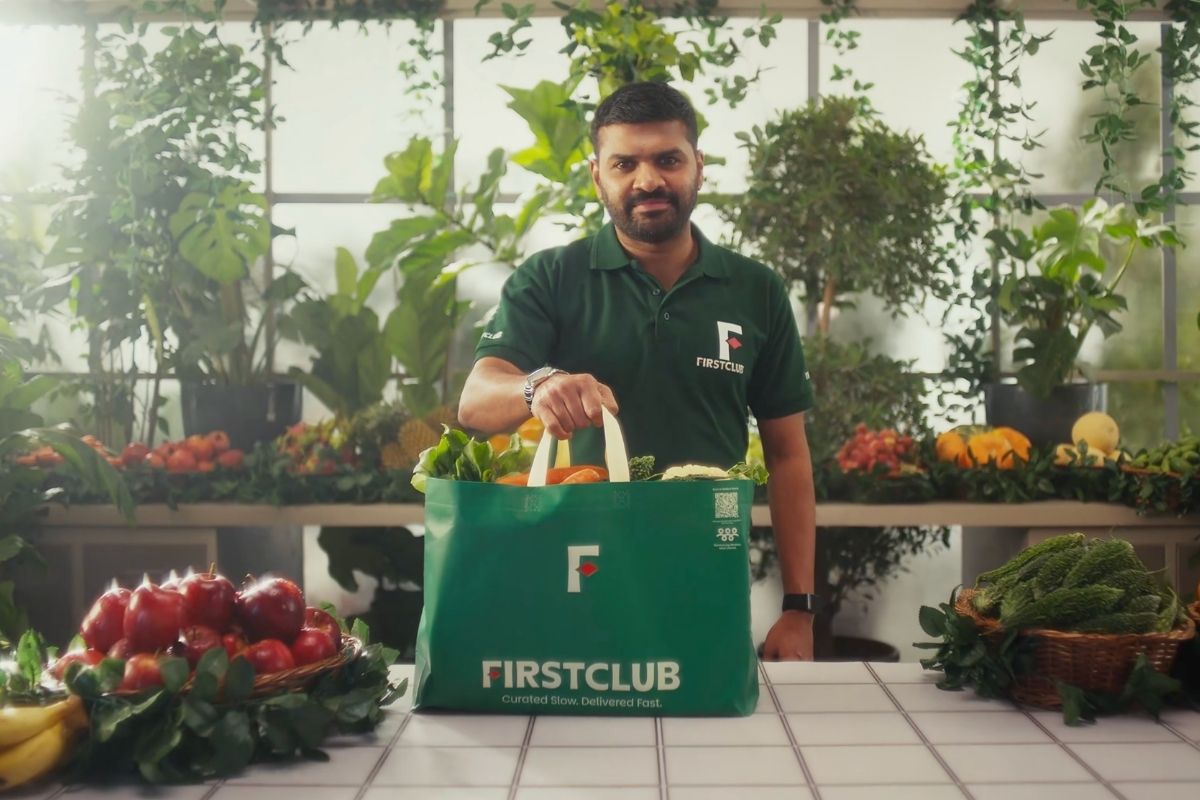
In less than two years, the instant delivery startup that puts quality above all else has attracted marquee VC investors, earning a valuation of $255 million. How far the niche bet will take it is anybody’s guess.
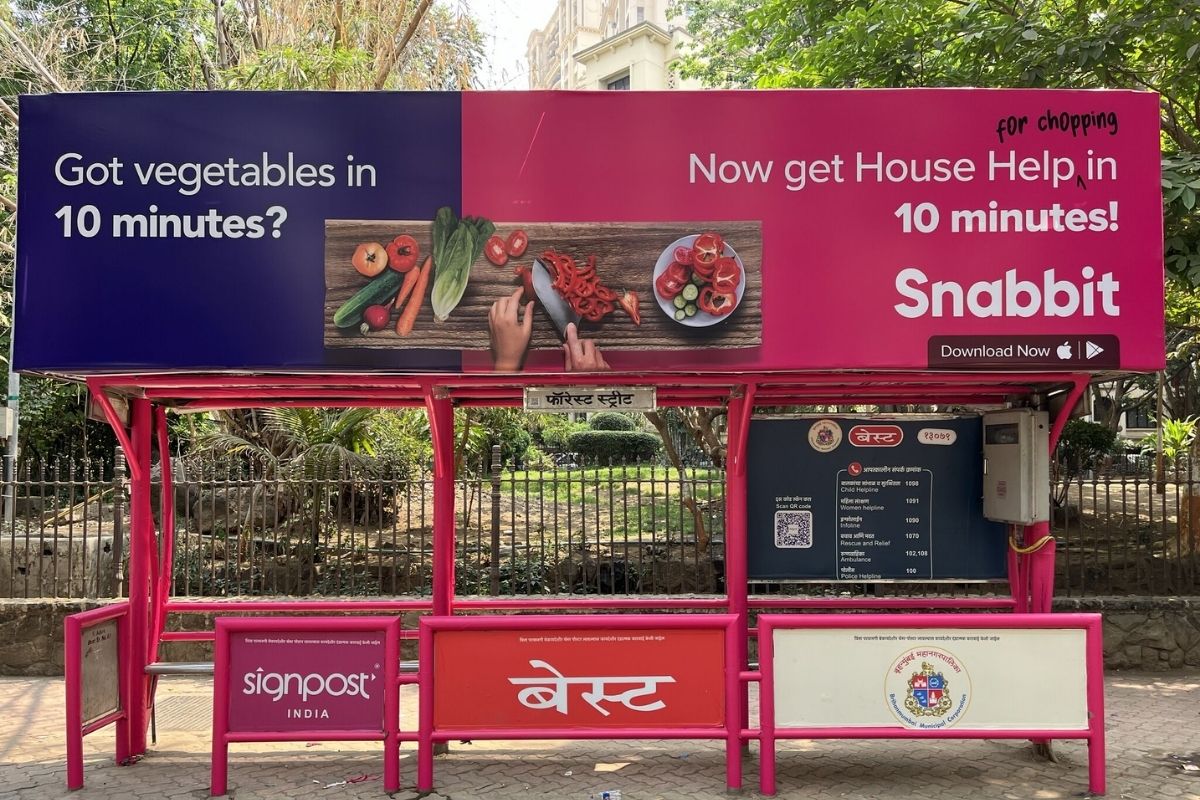
Pricing constraints and uncertain daily-use demand cast doubt on instant help’s ability to replicate quick commerce.
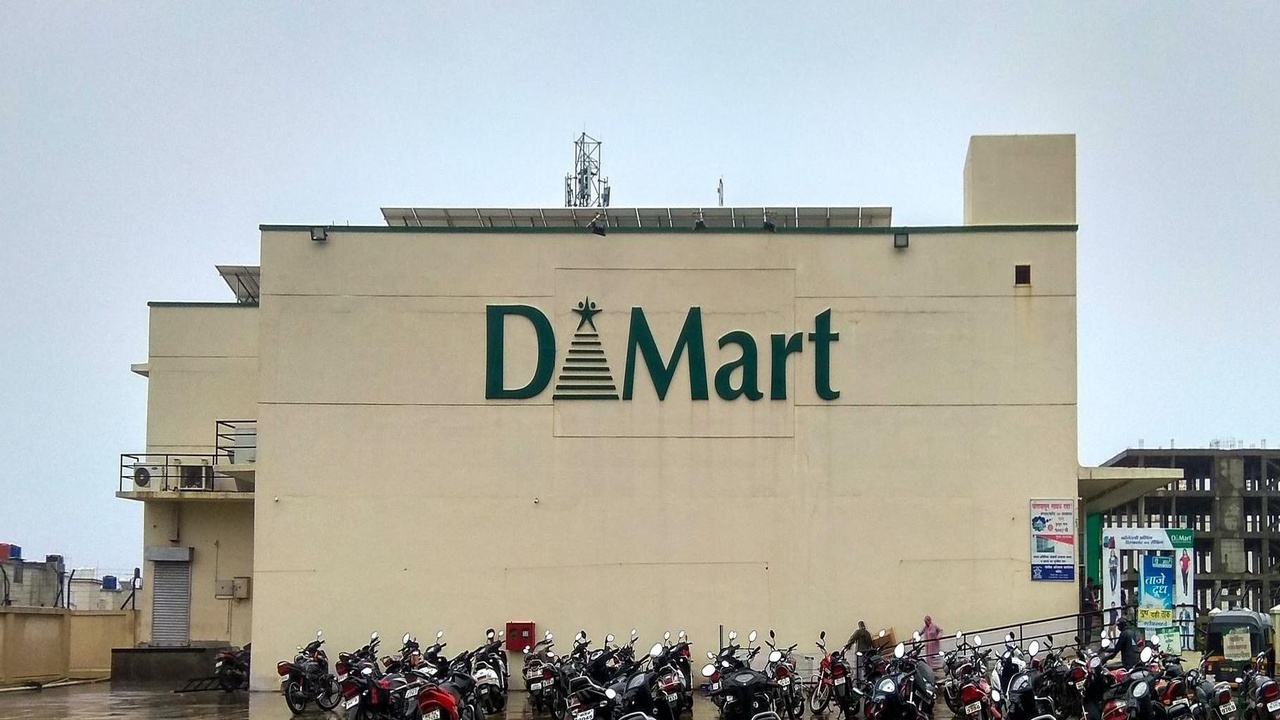
The retailer has shrunk operations to fix its loss-making vertical. But a reduced presence risks hurting volumes in a segment dominated by Blinkit and Instamart.
In less than two years, the instant delivery startup that puts quality above all else has attracted marquee VC investors, earning a valuation of $255 million. How far the niche bet will take it is anybody’s guess.
Pricing constraints and uncertain daily-use demand cast doubt on instant help’s ability to replicate quick commerce.
The retailer has shrunk operations to fix its loss-making vertical. But a reduced presence risks hurting volumes in a segment dominated by Blinkit and Instamart.