/
•
•
Detailed stories on technology startups, business and economic current affairs.
A deep dive into the costs and conflicts of India’s favourite digital payments system.



Editor's note: The Unified Payments Interface, or UPI, has been a runaway success. What started as a small experiment by the National Payments Corporation of India has in four years become the most used digital payments system by volume of transactions. At a time when NPCI is preparing to take its immensely popular payments product global, banks and fintech companies have been grousing about how it’s impossible to make UPI as a payment mode sustainable. Starting January this year, they were no longer allowed to charge merchants a fee on payments received, by government order. Banks have also been expected not to charge individuals for sending money to each other using UPI. Things came to a head when some large banks decided to start charging a standard fee for person-to-person transactions. HDFC Bank, ICICI Bank, Axis Bank and Kotak Mahindra Bank had all begun to levy a fee on every transfer after the first 20 UPI transactions a month. Within a week or so, in late August, the Central Board of Direct Taxes wrote to the banks, ordering them “to refund the …

A deep dive into the costs and conflicts of India’s favourite digital payments system.
Editor's note: The Unified Payments Interface, or UPI, has been a runaway success. What started as a small experiment by the National Payments Corporation of India has in four years become the most used digital payments system by volume of transactions. At a time when NPCI is preparing to take its immensely popular payments product global, banks and fintech companies have been grousing about how it’s impossible to make UPI as a payment mode sustainable. Starting January this year, they were no longer allowed to charge merchants a fee on payments received, by government order. Banks have also been expected not to charge individuals for sending money to each other using UPI. Things came to a head when some large banks decided to start charging a standard fee for person-to-person transactions. HDFC Bank, ICICI Bank, Axis Bank and Kotak Mahindra Bank had all begun to levy a fee on every transfer after the first 20 UPI transactions a month. Within a week or so, in late August, the Central Board of Direct Taxes wrote to the banks, ordering them “to refund the …

The Rs 250 SIP was launched last year by the former SEBI chairperson with one clear goal: financial inclusion. More than a year later, the much-hyped scheme doesn’t seem to have caught on with MF investors.
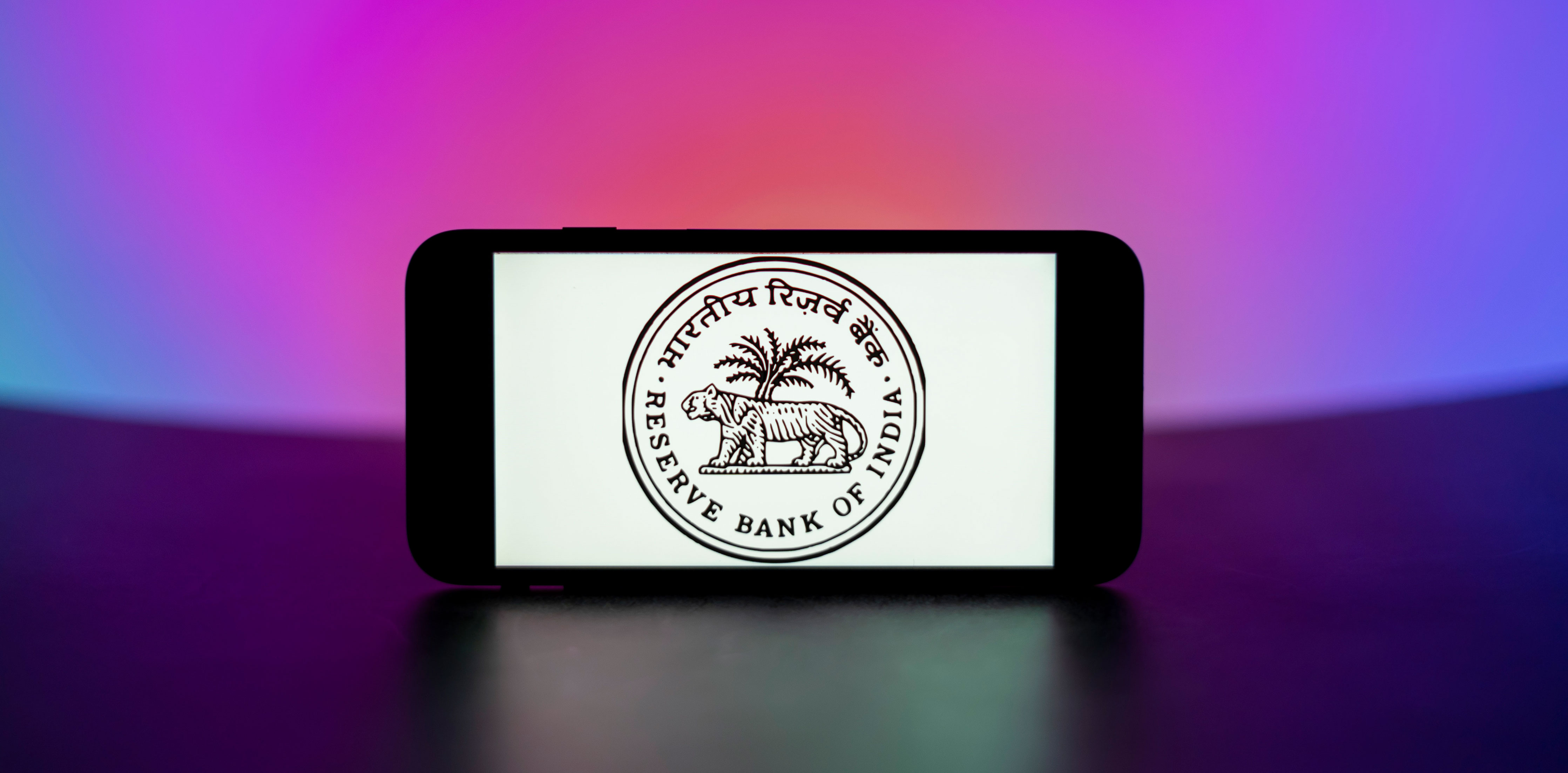
The regulator’s proposals to introduce checks and safety features in instant payments, if implemented, may end up testing banks.

How well rural consumption is doing is subjective. What isn’t subjective is how growing indebtedness, combined with stagnant income growth, is creating a tinderbox for households, banks and consumer companies that no one is talking about.
The Rs 250 SIP was launched last year by the former SEBI chairperson with one clear goal: financial inclusion. More than a year later, the much-hyped scheme doesn’t seem to have caught on with MF investors.
The regulator’s proposals to introduce checks and safety features in instant payments, if implemented, may end up testing banks.
How well rural consumption is doing is subjective. What isn’t subjective is how growing indebtedness, combined with stagnant income growth, is creating a tinderbox for households, banks and consumer companies that no one is talking about.