/
•
•
Detailed stories on technology startups, business and economic current affairs.
The central bank has always viewed cryptocurrencies as dubious assets and attempted to insulate the Indian financial system from the risks they pose.




“It feels like we were in a nightclub and the lights just turned on.” Airbnb chief executive Brian Chesky’s tweet on 13 November is perhaps the most apt summary of the current state of the crypto industry, assuming that he was not referring to Elon Musk’s takeover of Twitter or the tanking of global tech stocks (including Airbnb) in recent months.
Nothing could have prepared any crypto enthusiast, investor, critic or even an outside observer like me for the mind-bending descent of the Bahamas-based cryptocurrency exchange FTX Trading Ltd and its associate businesses into bankruptcy over last week.
The crypto …
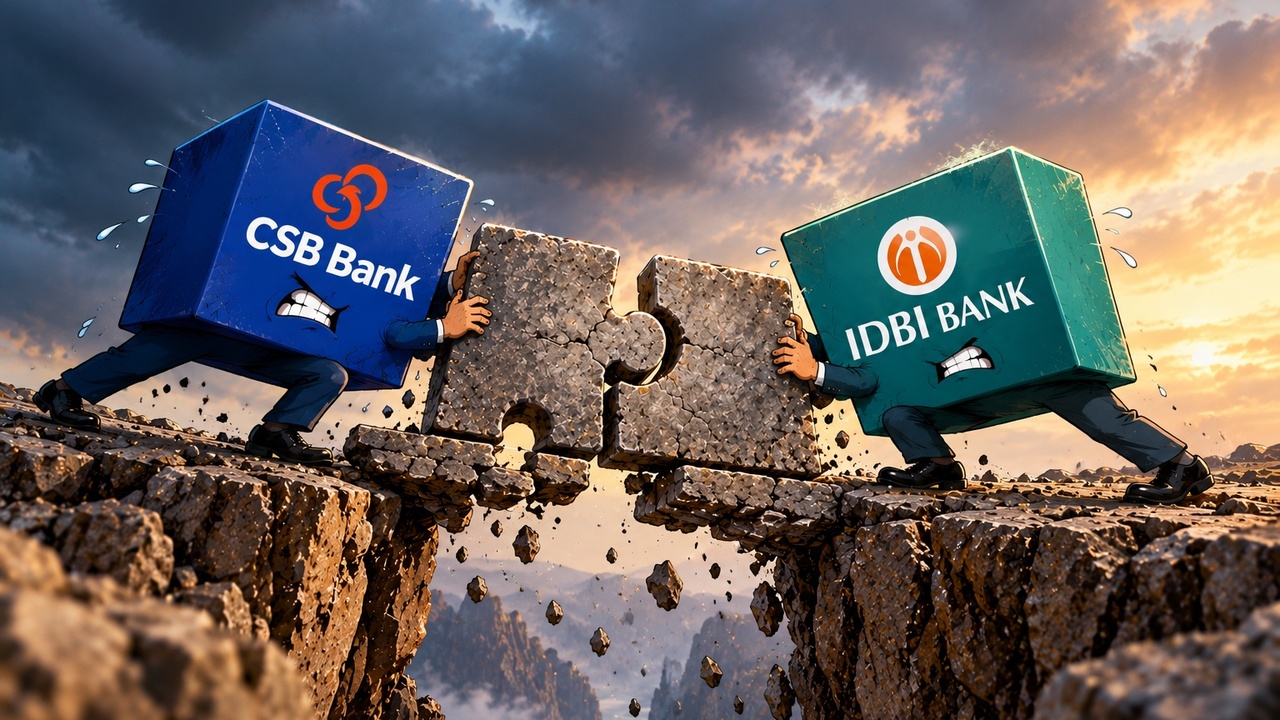
The acquisition of IDBI Bank puts his Fairfax smack dab in the middle of the RBI’s rules on bank ownership. It must now decide whether to sell CSB Bank or merge the two lenders, neither of which will be easy.

Lenders stand to gain a lot more than borrowers in the current challenging market environment

A local fintech deal to consolidate operations, feedback on Saudi Arabia’s proposed IPO rules, and Ras Al Khaimah’s casino economy.