/
•
•
Detailed stories on technology startups, business and economic current affairs.
The Bengaluru event is the crypto startup’s biggest yet, in a sign of the frenzy to develop and hire Web3 talent.


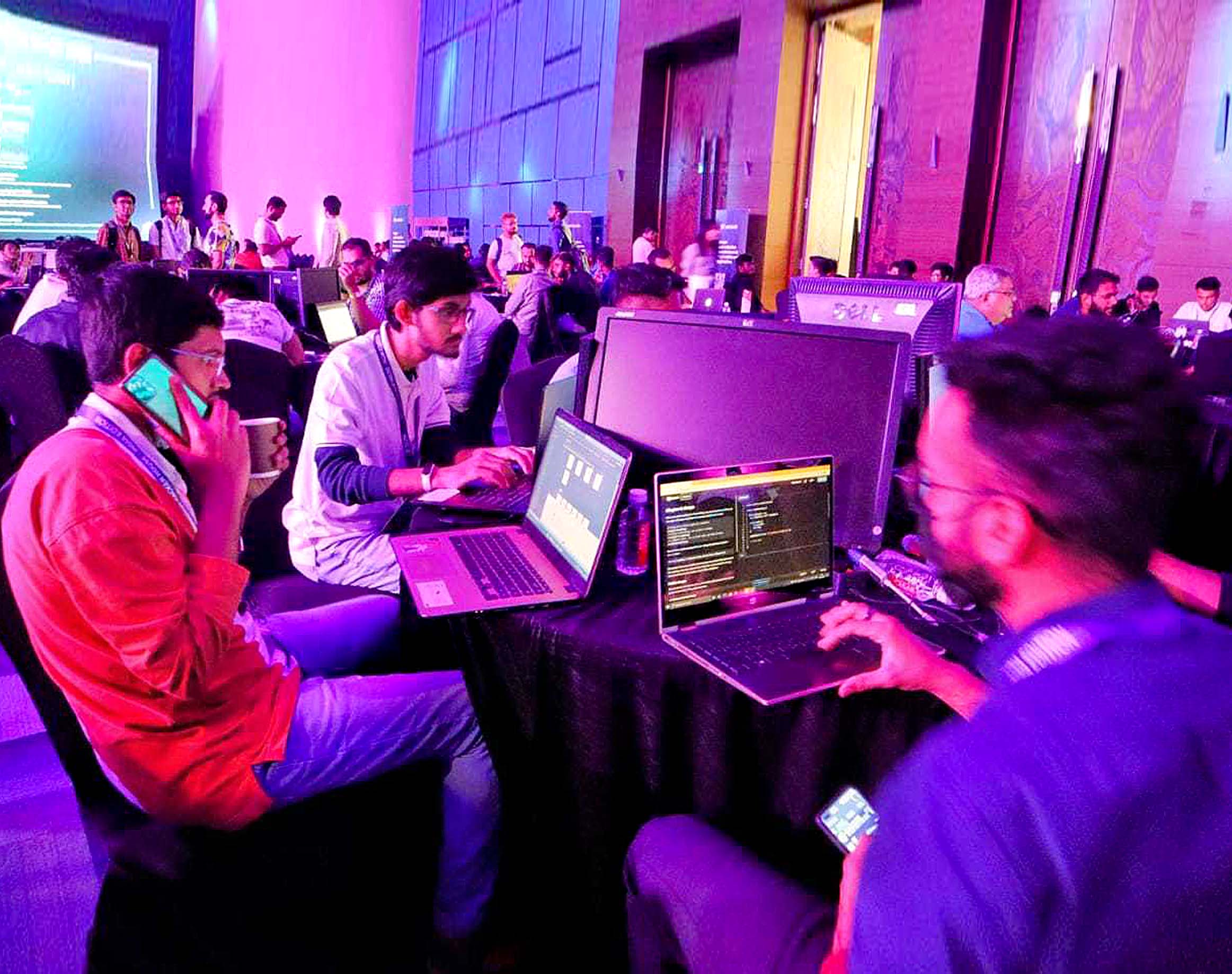
Editor's note: On an overcast Tuesday in Bengaluru earlier this week, a trickle of people started lining up at the Sheraton Grand. But quickly, the queue grew from a few dozen to hundreds, undeterred by the drizzly morning. The energy of the crowd was almost palpable, as candidates stood in line, bags strapped to their backs, eagerly awaiting the opportunity to head inside. Waiting for them there was a large room closed off from the rest of the world. Inside, purple and blue lights flooded a pitch-black room, with monitors arranged around circular tables. Large standing screens surrounded the space, flashing “Welcome to Solana Hacker House”. Solana—the a16z-backed crypto startup that runs a smart contract blockchain competing with Ethereum—spared no expense to make a splash in India. Hacker House is an event the startup has held in multiple cities around the world, where it brings in crypto or Web3 developers to stay a few days at a luxurious location. The idea is to get developers interested in building applications on Solana’s blockchain, while at the same time crypto companies scout out potential …
The Bengaluru event is the crypto startup’s biggest yet, in a sign of the frenzy to develop and hire Web3 talent.
Editor's note: On an overcast Tuesday in Bengaluru earlier this week, a trickle of people started lining up at the Sheraton Grand. But quickly, the queue grew from a few dozen to hundreds, undeterred by the drizzly morning. The energy of the crowd was almost palpable, as candidates stood in line, bags strapped to their backs, eagerly awaiting the opportunity to head inside. Waiting for them there was a large room closed off from the rest of the world. Inside, purple and blue lights flooded a pitch-black room, with monitors arranged around circular tables. Large standing screens surrounded the space, flashing “Welcome to Solana Hacker House”. Solana—the a16z-backed crypto startup that runs a smart contract blockchain competing with Ethereum—spared no expense to make a splash in India. Hacker House is an event the startup has held in multiple cities around the world, where it brings in crypto or Web3 developers to stay a few days at a luxurious location. The idea is to get developers interested in building applications on Solana’s blockchain, while at the same time crypto companies scout out potential …
Big AI moves in the Middle East this week, Saudi Arabia-backed LIV Golf files for bankruptcy and other updates.

The Walmart-owned e-commerce company has entered microdramas and food delivery. Is it thinking long-term or just chasing a trend?
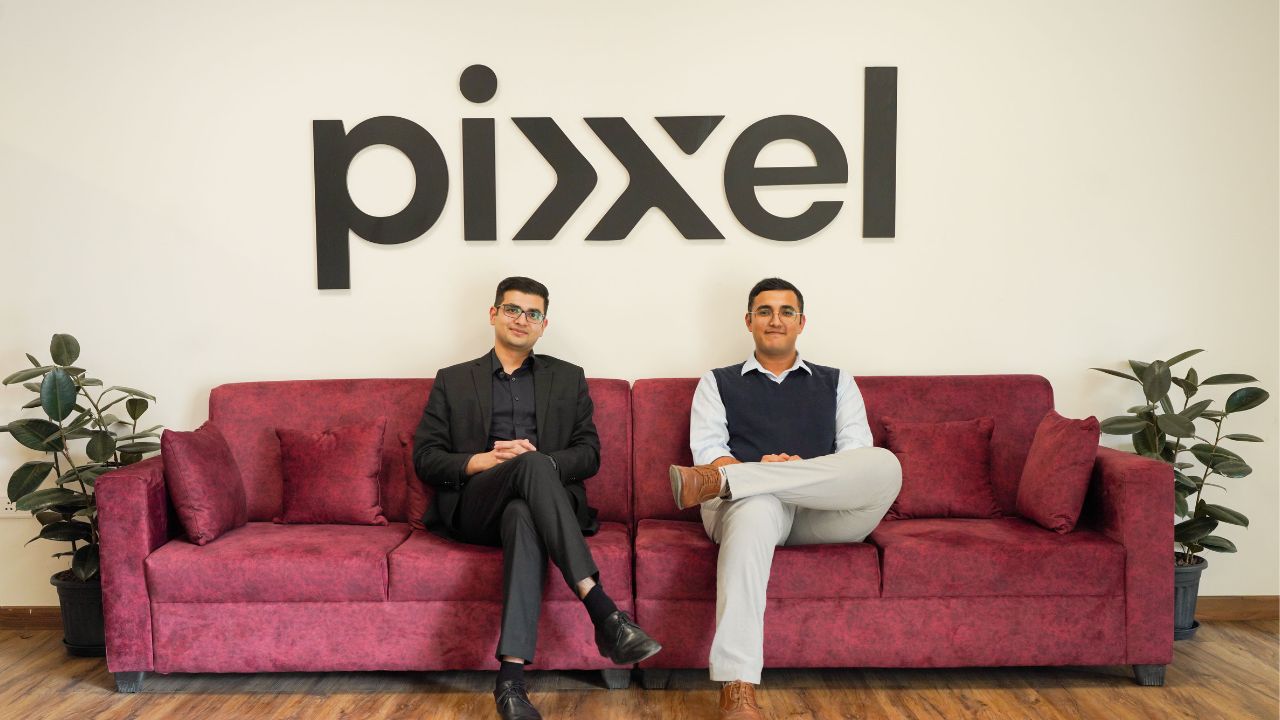
The space tech startup’s next bet is to build a business where it can sell more than just hyperspectral imaging. The sky is the limit but the money is finite.
Big AI moves in the Middle East this week, Saudi Arabia-backed LIV Golf files for bankruptcy and other updates.
The Walmart-owned e-commerce company has entered microdramas and food delivery. Is it thinking long-term or just chasing a trend?
The space tech startup’s next bet is to build a business where it can sell more than just hyperspectral imaging. The sky is the limit but the money is finite.