/
•
•
Detailed stories on technology startups, business and economic current affairs.



Editor's note: At the end of 2020, more than 1 billion people—or 15% of the world’s population—had access to 5G coverage. Globally, 5G is on track to become one of the fastest adopted mobile technologies ever. India is, unfortunately, a blind spot in that picture. And that reeks of déjà vu. India has always been a laggard when it comes to mobile technology, launching 2G cellular communication almost a decade after developed countries and 3G after about eight years. This gap did come down to five years in the case of 4G. In 2017, the government of India set up a high-level forum consisting of members of academia, industry stakeholders, and government representatives to evaluate and approve action plans to bring the fifth generation of cellular technology to the country by 2020, the year we just bid goodbye to. India is at least two years behind already. In April 2019, South Korea became the first country to deploy a commercial 5G network and now, more than 50 cities each in South Korea, China and the US already have 5G. So where are …

Editor's note: At the end of 2020, more than 1 billion people—or 15% of the world’s population—had access to 5G coverage. Globally, 5G is on track to become one of the fastest adopted mobile technologies ever. India is, unfortunately, a blind spot in that picture. And that reeks of déjà vu. India has always been a laggard when it comes to mobile technology, launching 2G cellular communication almost a decade after developed countries and 3G after about eight years. This gap did come down to five years in the case of 4G. In 2017, the government of India set up a high-level forum consisting of members of academia, industry stakeholders, and government representatives to evaluate and approve action plans to bring the fifth generation of cellular technology to the country by 2020, the year we just bid goodbye to. India is at least two years behind already. In April 2019, South Korea became the first country to deploy a commercial 5G network and now, more than 50 cities each in South Korea, China and the US already have 5G. So where are …


Elon Musk’s satellite internet promises a new way to get online. How will it coexist with the country's telecom giants?

A quarter with subscriber gains portends well for the telecom operator, but its underlying metrics tell a more cautious story.
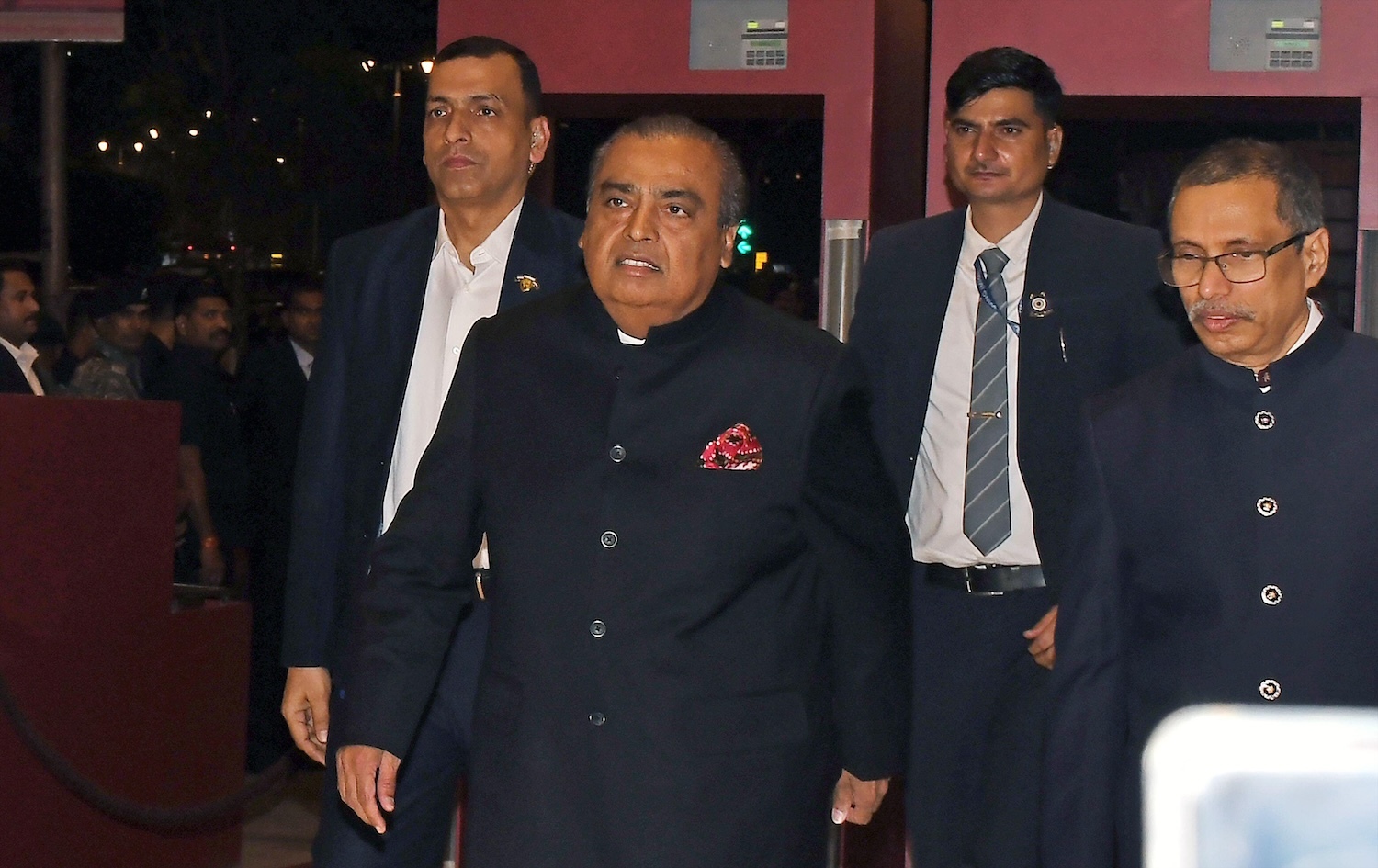
While the Rs 9,000 crore promoter investment in Q1 brings a measure of reassurance, investors will still have to wait for Jio and retail to work through their challenges.
Elon Musk’s satellite internet promises a new way to get online. How will it coexist with the country's telecom giants?
A quarter with subscriber gains portends well for the telecom operator, but its underlying metrics tell a more cautious story.
While the Rs 9,000 crore promoter investment in Q1 brings a measure of reassurance, investors will still have to wait for Jio and retail to work through their challenges.