/
•
•
Detailed stories on technology startups, business and economic current affairs.




Deng Xiaoping, who served as the paramount leader of the People's Republic of China in the 1980s after Mao Zedong's death, is often regarded as the architect of modern China. He is credited with ushering in the economic reforms that saw China’s communist system evolve into a market-oriented model, allowing private businesses to thrive alongside state-owned enterprises. That shift led to high economic growth and integrated the country with the global economy.
But that’s changing under President Xi Jinping.
Under Xi, the process of augmenting the role of state-owned enterprises while restricting private-owned enterprises, especially the technology giants, started a …
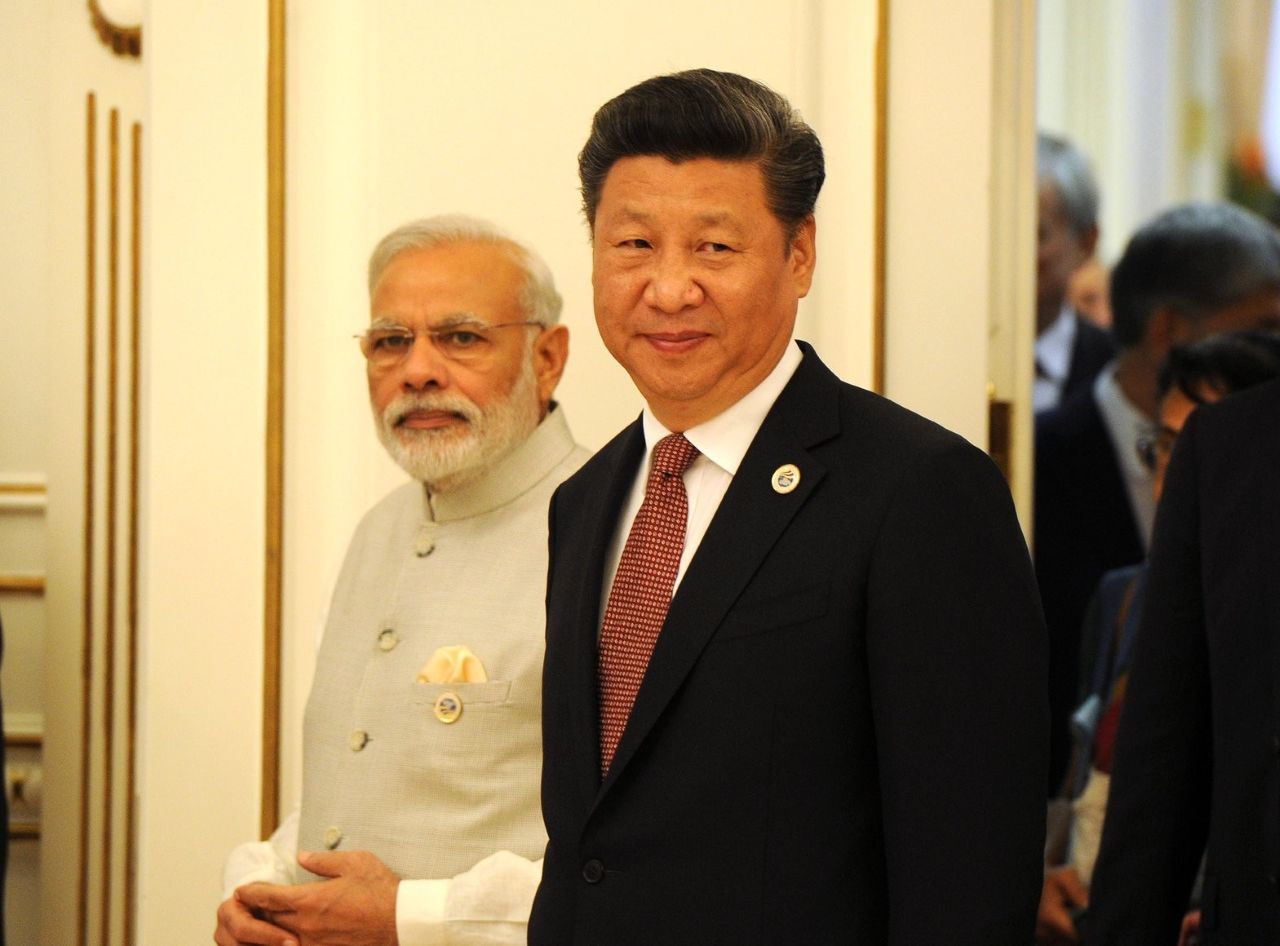
Chinese diplomats to India are saying all the right things for Indian ears, but Beijing’s policy actions are moving in the opposite direction.
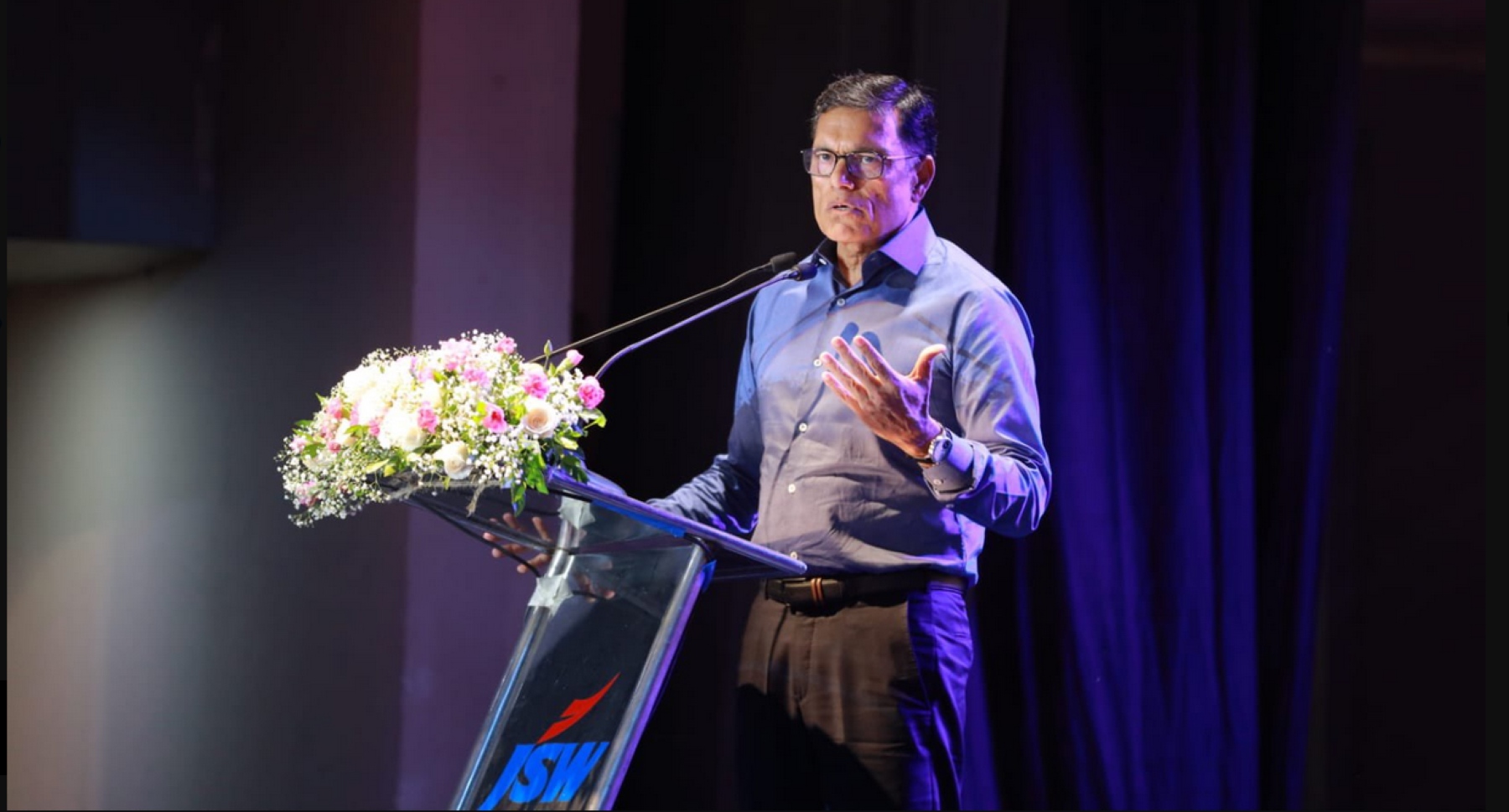
The JSW Steel founder is embarking on an unprecedented expansion, betting on Japan’s JFE and Korea’s POSCO to share the load. But rivalries, debt and market risks could complicate the plan.
The listed hospitality group sees a drop in revenue and profit in the first quarter. Separately, China steps up engagement with Saudi Arabia and the UAE.