/
•
•
Detailed stories on technology startups, business and economic current affairs.



Editor's note: It’s been nine years since venture capitalist Marc Andreessen said software was eating the world, and nearly eight since he declared 2012 “The Year of SaaS”. But these proclamations still thrive well into 2020. You’ll hear variations of these at SaaSBOOMi, the largest event of its kind in Asia, organized every January in Chennai. Outside the event, SaaSBooMi doubles as a community of Indian SaaS startups. The press loves success stories as much as it loves stories of failure, and so, SaaS—short for software as a service—has become a stand-in for efficient growth, high gross margins, and recurring revenue. At SaaSBOOMi 2020, investors and entrepreneurs said industry revenues would triple over the next few years, and so would India’s share in the global SaaS market, poised to go from 2.6% to 8% in five years. The enthusiasm and confidence wasn’t unfounded. As far back as 2016, a joint report by Google and Accel foresaw “hyper growth” for Indian SaaS companies, estimating a $10 billion industry by 2025. It’s a no-brainer: in a world tiring of hardware, cloud computing and web-based …

Editor's note: It’s been nine years since venture capitalist Marc Andreessen said software was eating the world, and nearly eight since he declared 2012 “The Year of SaaS”. But these proclamations still thrive well into 2020. You’ll hear variations of these at SaaSBOOMi, the largest event of its kind in Asia, organized every January in Chennai. Outside the event, SaaSBooMi doubles as a community of Indian SaaS startups. The press loves success stories as much as it loves stories of failure, and so, SaaS—short for software as a service—has become a stand-in for efficient growth, high gross margins, and recurring revenue. At SaaSBOOMi 2020, investors and entrepreneurs said industry revenues would triple over the next few years, and so would India’s share in the global SaaS market, poised to go from 2.6% to 8% in five years. The enthusiasm and confidence wasn’t unfounded. As far back as 2016, a joint report by Google and Accel foresaw “hyper growth” for Indian SaaS companies, estimating a $10 billion industry by 2025. It’s a no-brainer: in a world tiring of hardware, cloud computing and web-based …
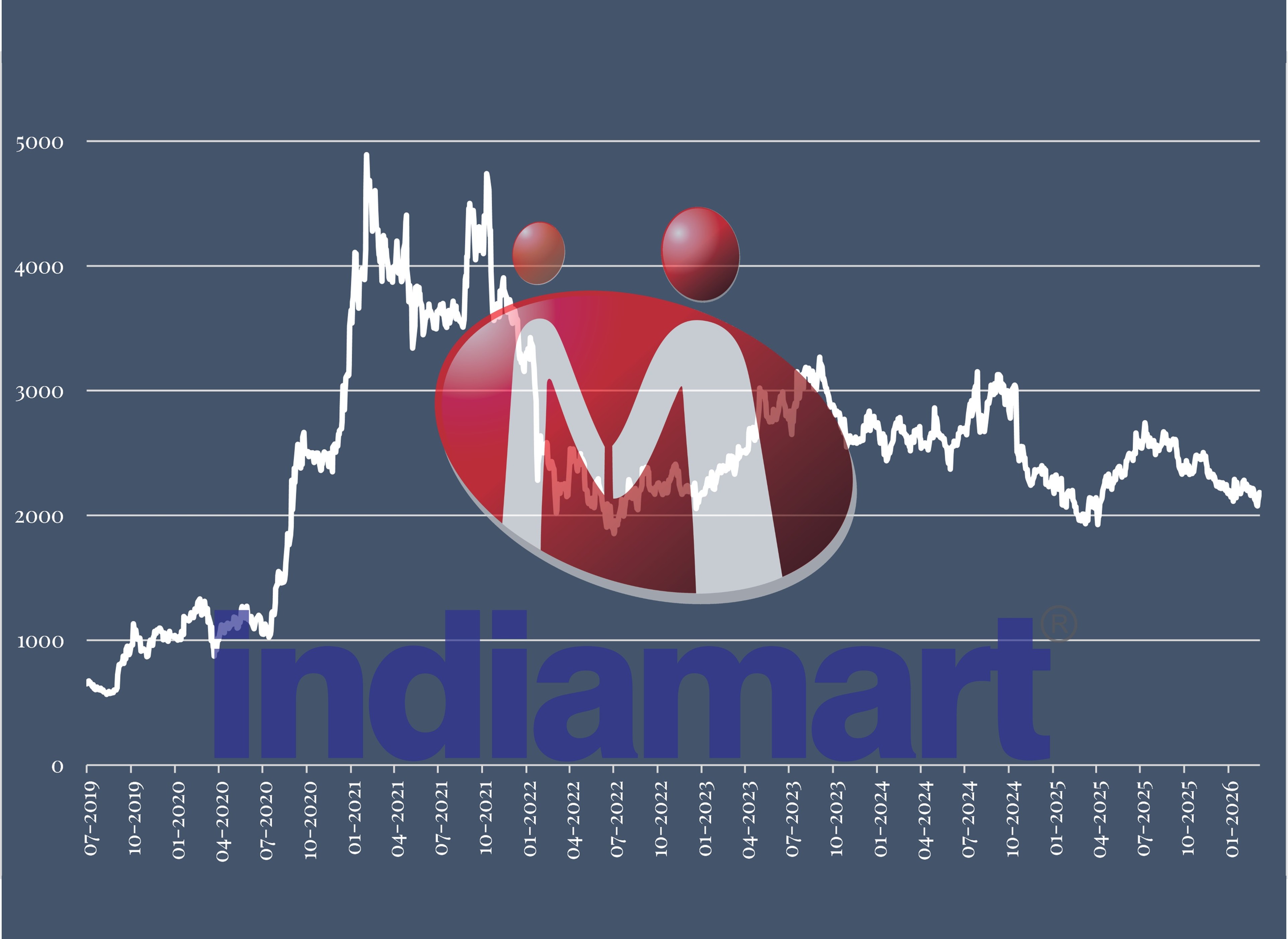
The B2B marketplace has done almost everything right, attracting value investors like Pulak Prasad. Yet, the stock continues to languish.
The Zoho co-founder’s attempt to build a WhatsApp competitor has captured the imagination of the nationalist Indian. Emotions aside, the most likely outcome is that Zoho’s other products will start selling more.

Adani and Zoho pausing their plans is a sign that a lot needs to be done before semiconductor fabrication is a viable business.
The B2B marketplace has done almost everything right, attracting value investors like Pulak Prasad. Yet, the stock continues to languish.
The Zoho co-founder’s attempt to build a WhatsApp competitor has captured the imagination of the nationalist Indian. Emotions aside, the most likely outcome is that Zoho’s other products will start selling more.
Adani and Zoho pausing their plans is a sign that a lot needs to be done before semiconductor fabrication is a viable business.