/
•
•
Detailed stories on technology startups, business and economic current affairs.
The global chip shortage that began with COVID-19 will likely continue in 2022 and maybe even further.




New year, old problem. The global chip shortage that began with COVID-19 forcing chip-making facilities in Asia shut in 2020 spilled over to 2021, and will likely continue in 2022. Maybe even further.
According to research by Susquehanna Financial Group, the lead time—the gap between when a semiconductor is ordered and when it is delivered—is on the rise again, signalling persistent shortage. It stood at 25.8 weeks as of December, making it the longest wait time since 2017.
The crunch was initially concentrated in the automotive industry, which saw a big dip in demand and cut its orders. The …

Influence cannot be manufactured through diaspora networks, carefully branded events or political donations. It requires honesty and credibility.
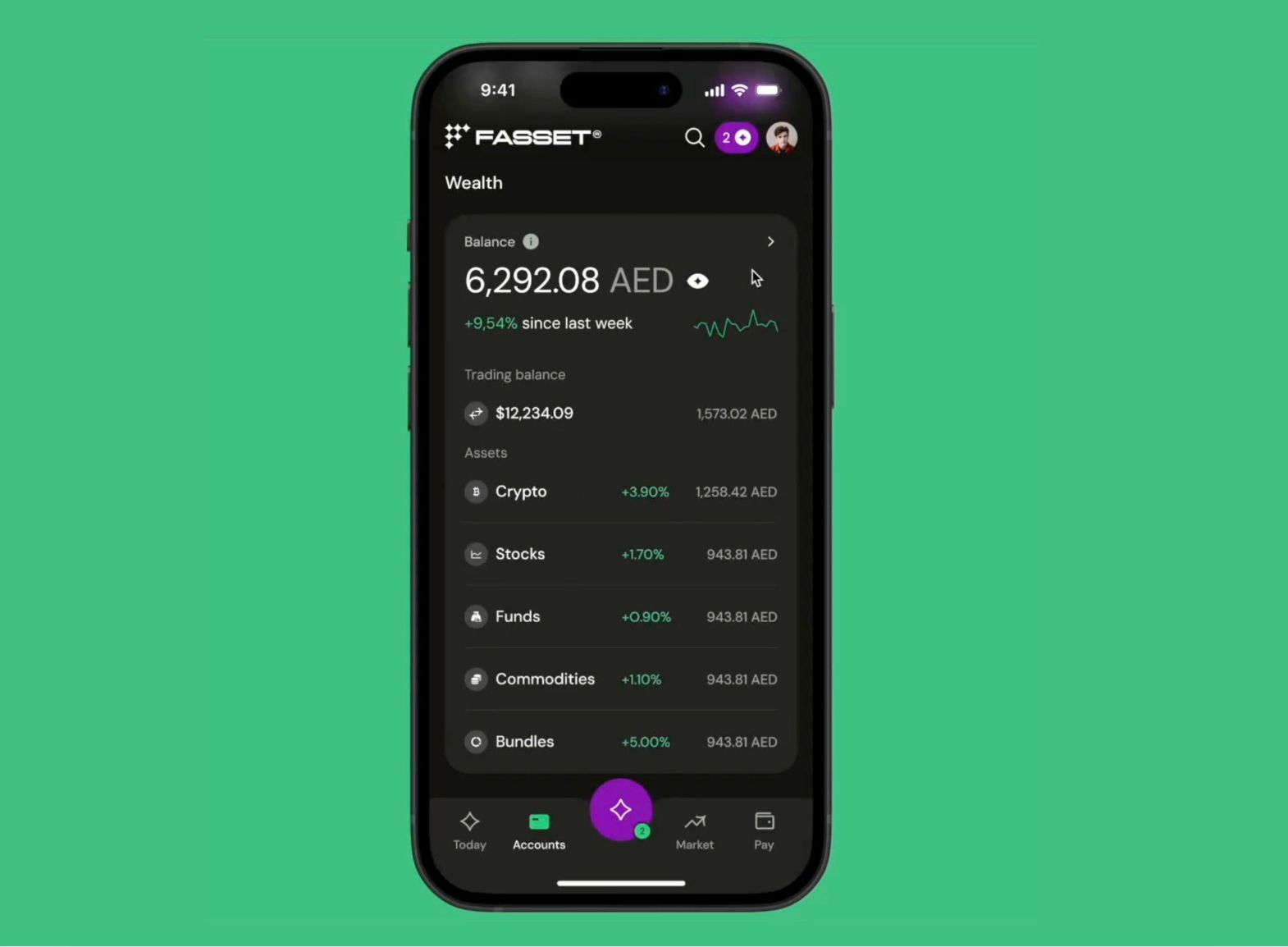
The stablecoin neobank has raised more than $100 million this year; Saudi Arabia is looking at stock market reforms; and other updates from the week.
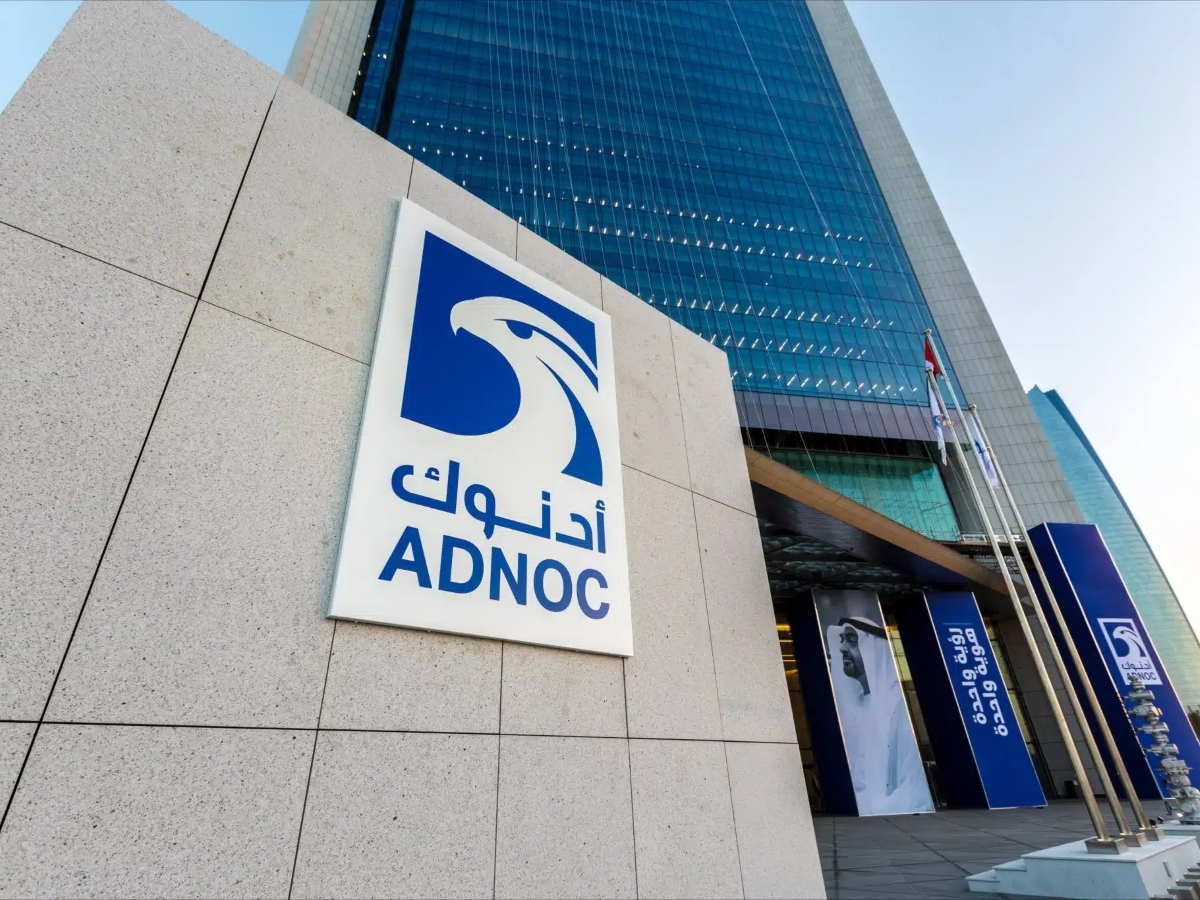
ADNOC’s strong numbers underline a strategy built on higher output, shipping gains and new routes that sidestep the risky Strait of Hormuz.