/
•
•
Detailed stories on technology startups, business and economic current affairs.
The food-delivery company’s third-quarter results are poor. But beyond the obvious weakness, there’s even more that is concerning.




On Thursday, Zomato announced its results for the quarter ended 31 December 2021. The food-delivery company shows that revenue had grown 1.8x from the same period a year earlier, and that losses had substantially reduced. The markets saw through the fact that losses had actually more than tripled if one excludes a one-time gain from the sale of investments, and the stock was hammered, ending the day down almost 6%.
What is more worrying is that Zomato’s letter—12 pages titled “Staying the course”, by chief executive Deepinder Goyal and chief financial officer Akshant Goyal—to the shareholders paints a totally different …

India’s grocery and food delivery platforms are increasingly displaying misleading images of food using artificial intelligence, defeating the very purpose of buying online.
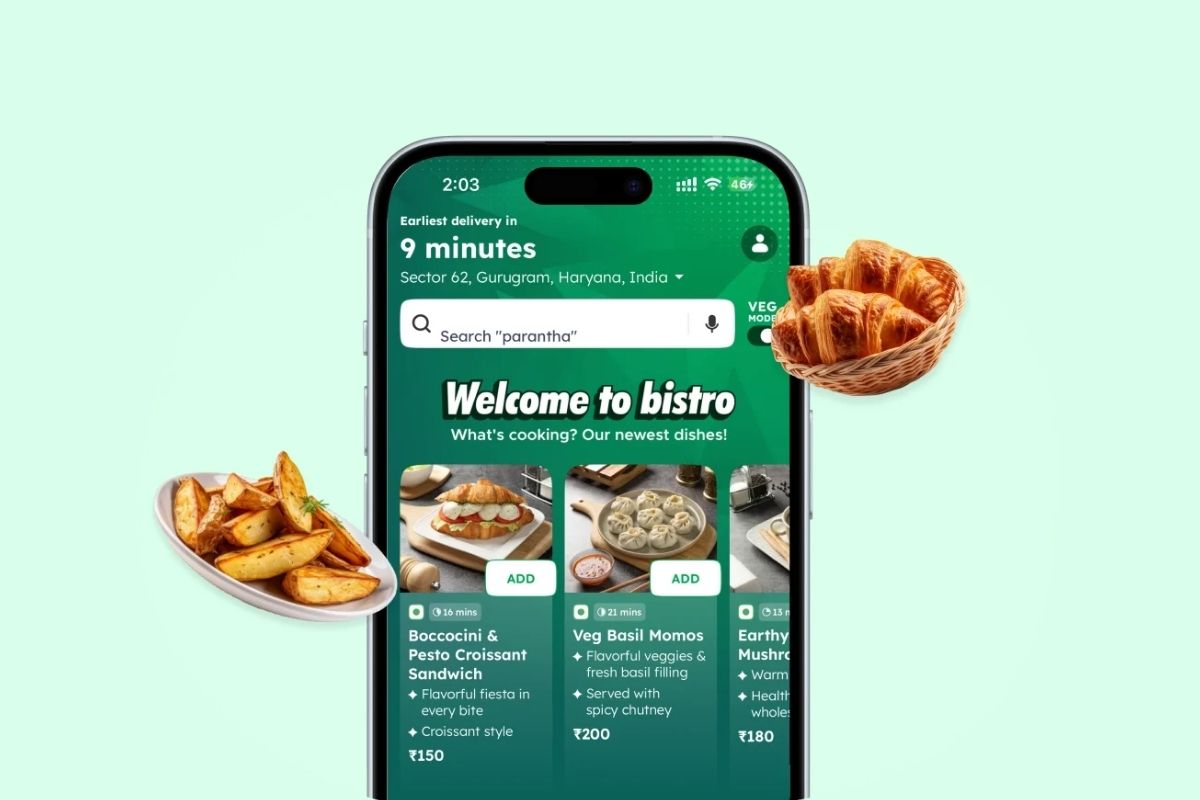
Bistro may look like a response to Swiggy and Rapido’s 'budget' food delivery apps, but the similarities end at affordability—the playbooks are fundamentally different.

The Indian mother and baby products retailer has been slow to grow in the two largest markets of the Gulf. What gives?