/
•
•
Detailed stories on technology startups, business and economic current affairs.
From tea leaves to iPhones, the country’s quick-commerce platforms are reshaping urban retail while proving sceptics wrong about their viability.




Sunday started with an unusual commotion at home. We had run out of tea leaves. Like in many Indian households, breakfast is incomplete without a cup of strong masala tea.
It was half past 7. The water was already on the stove, and I could sense the temperature rising at home. The solution had to be quick. Enter quick-commerce apps—platforms promising grocery delivery within minutes. Over the last two years, I’ve gone from “who needs quick commerce” and “people are just lazy” to “let’s Zepto/Blinkit it”.
In my residential complex, these services have become ubiquitous since their launch around 12-18 …
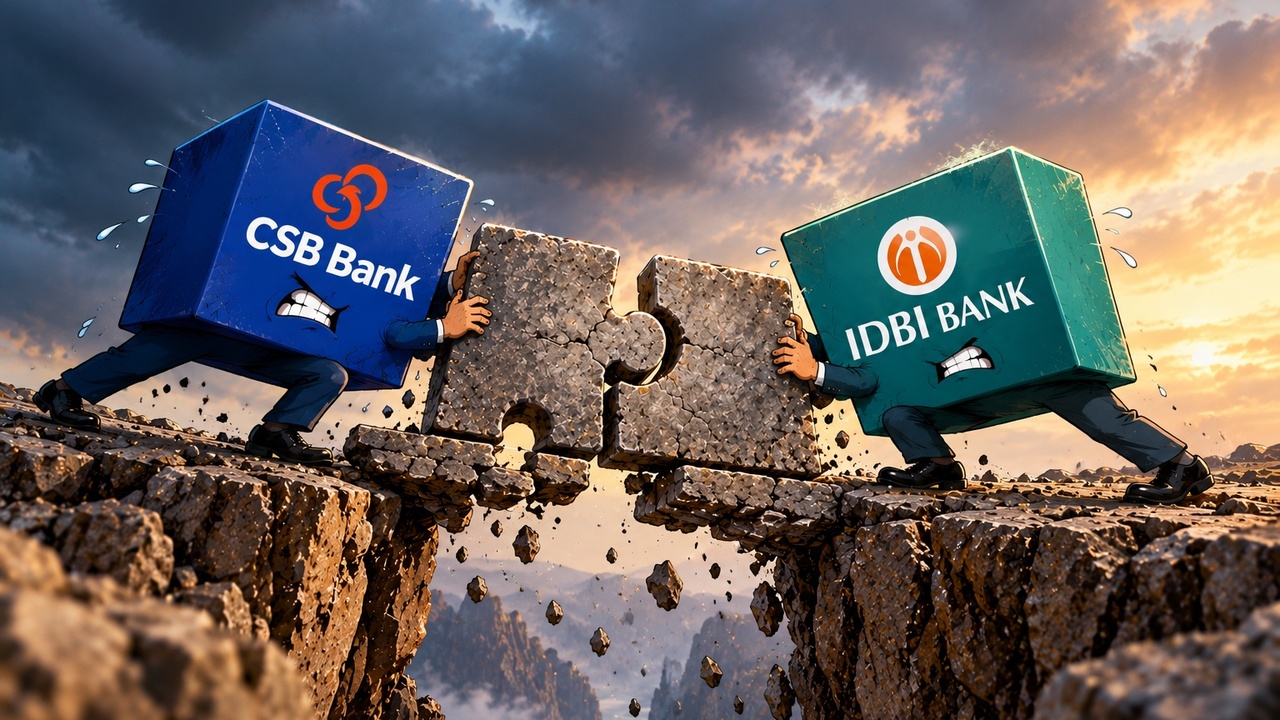
The acquisition of IDBI Bank puts his Fairfax smack dab in the middle of the RBI’s rules on bank ownership. It must now decide whether to sell CSB Bank or merge the two lenders, neither of which will be easy.

India’s grocery and food delivery platforms are increasingly displaying misleading images of food using artificial intelligence, defeating the very purpose of buying online.

Parent AceVector is headed for a public market debut next week. As much as 97% of its revenue comes from two businesses. One is already a listed entity, the other a missed opportunity.