/
•
•
Detailed stories on technology startups, business and economic current affairs.
Startups are defined by one of two things: Breakneck pace of growth or a sweet bottomline. While Dunzo may be trying hard, it is fumbling at both.




Three years. That’s the time Kabeer Biswas, co-founder and CEO of Dunzo, sees the hyperlocal logistics company taking to stop relying on external capital and start making money on its own.
Overly optimistic, from a quick look at the numbers. The latest financial statement, for the fiscal year ended 31 March 2019, and a valuation report dated 20 March show losses ballooning to Rs 332.4 crore in fiscal 2019-20, up from Rs 168 crore in 2018-19. That’s almost a crore a day. The report puts outstanding losses at nearly Rs 540 crore as per annualized figures. The filings also show …

India’s grocery and food delivery platforms are increasingly displaying misleading images of food using artificial intelligence, defeating the very purpose of buying online.
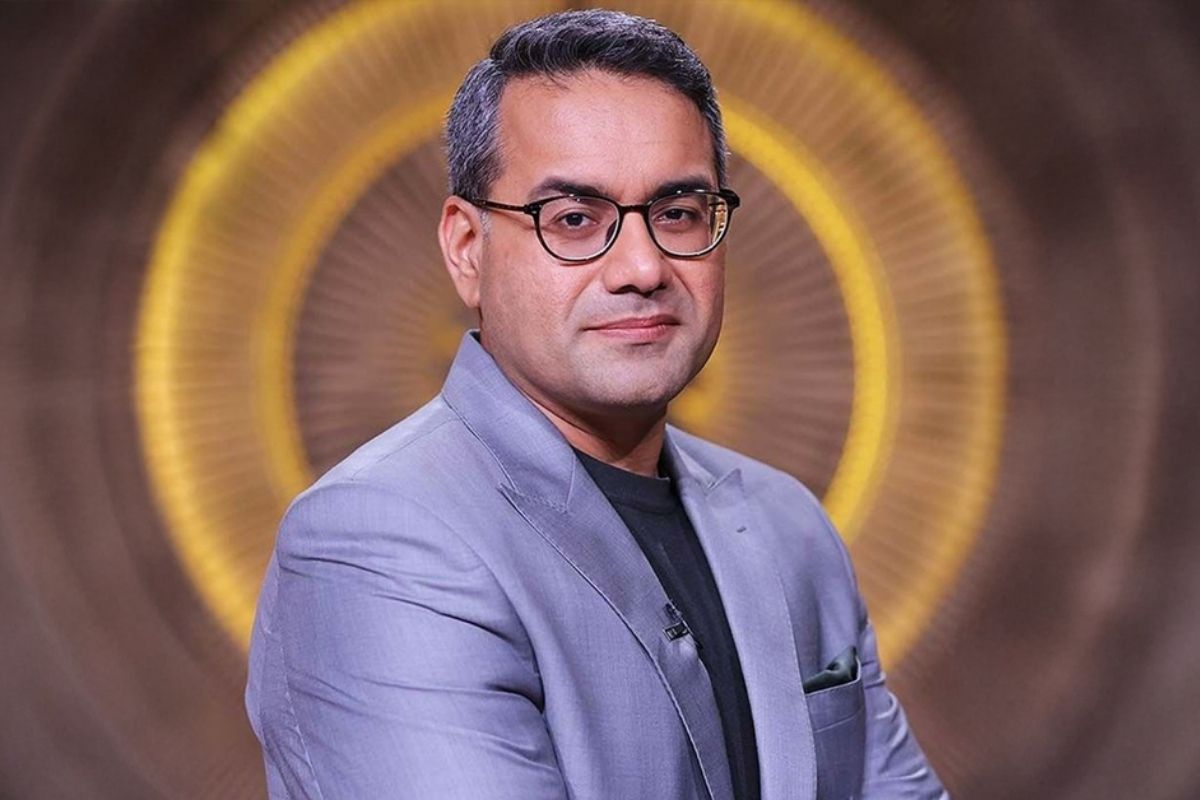
Parent AceVector is headed for a public market debut next week. As much as 97% of its revenue comes from two businesses. One is already a listed entity, the other a missed opportunity.
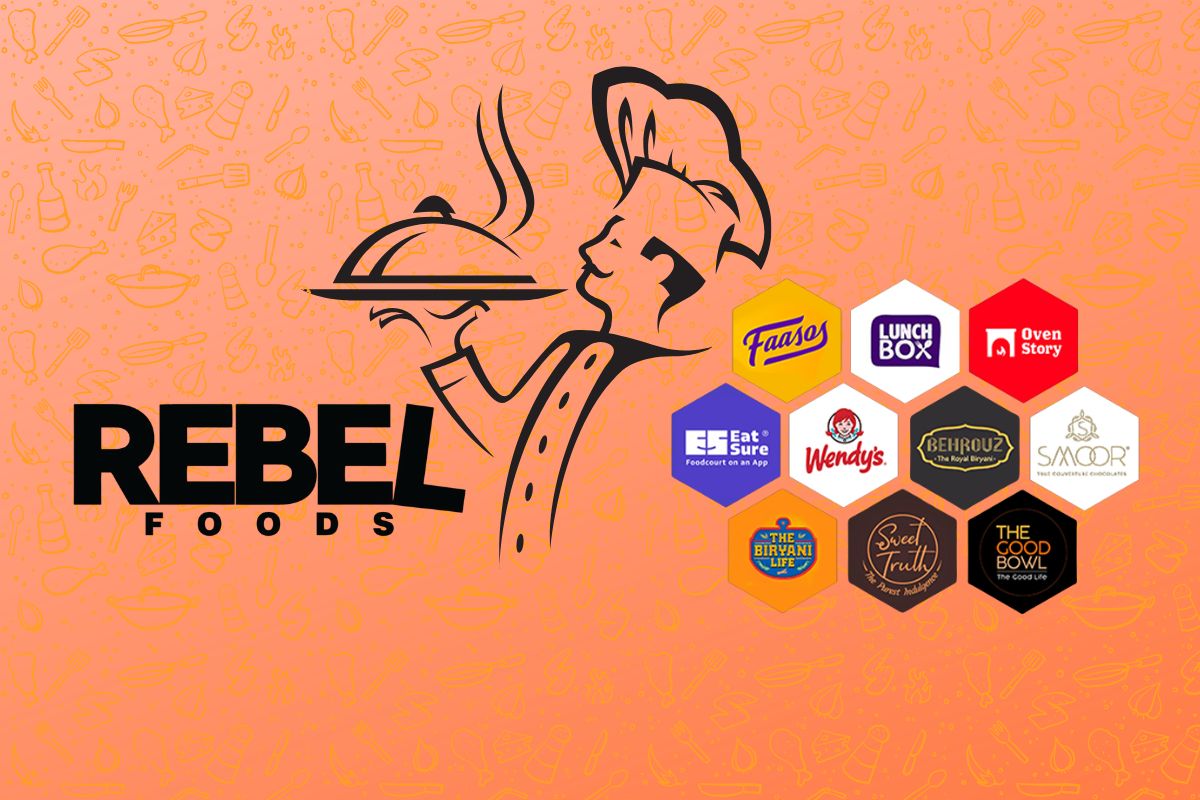
After 15 years, more than $550 million in funding and over $200 million in revenue, the cloud kitchen startup must find a way to make a profit and go public. Grover is the man Rebel has chosen for the job.