/
•
•
Detailed stories on technology startups, business and economic current affairs.
The e-bike rental company just announced a massive fundraise in a sector that has been dead in the water for a while.




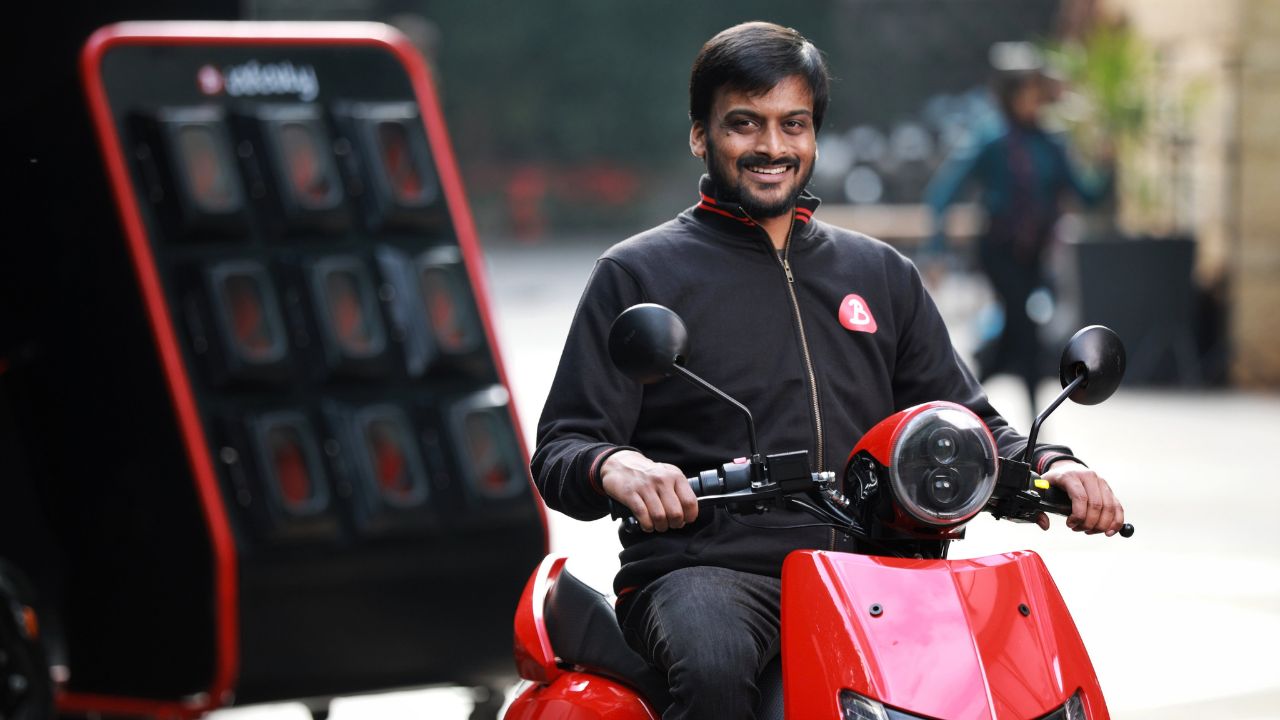
Ever since the pandemic, Yulu, the Bengaluru-headquartered e-bike rental startup, has been missing from the electric mobility conversation. Last month it surprised everyone. The company said it has raised an $82 million funding round. Most of the money has come from Magna International, a Canadian auto parts maker. For decades, Magna has played a crucial role in supplying parts like seats and body and chassis systems to the traditional automotive industry. With its investment in Yulu, it wants to dabble in battery swapping and infrastructure management for the electric two-wheeler industry, a business that’s also a first for Magna.
It …

India’s grocery and food delivery platforms are increasingly displaying misleading images of food using artificial intelligence, defeating the very purpose of buying online.

Parent AceVector is headed for a public market debut next week. As much as 97% of its revenue comes from two businesses. One is already a listed entity, the other a missed opportunity.
The EV maker is turning to gig-worker rentals to absorb its scooter output. But questions on cost, competition and execution make its latest pivot uncertain.