/
•
•
Detailed stories on technology startups, business and economic current affairs.

This is the seventh edition of Street Smart, The Morning Context’s weekly newsletter on everything that impacts corporate India. Every Thursday, Street Smart will bring you an original, reported or analytical take on issues that have the potential to shake up the business ecosystem.
Jayshree here. Three weeks ago, I had written about the perils of trading in the stock of a bankrupt company. The company was DHFL. I had said: “Retail investors were flocking to the stock, influenced by tips on social media that seemed to suggest that the stock was headed the ‘Ruchi Soya way’.” As it …

Thinly traded listed entities have long served as breeding grounds for stock manipulation, hurting investors. The regulator, the NSE and BSE now want to fix things by focusing on efficient delisting.

The newly announced levy on UPI payments undermines the very foundation of using digital payments for stock market investing. Brokers are in a tizzy.
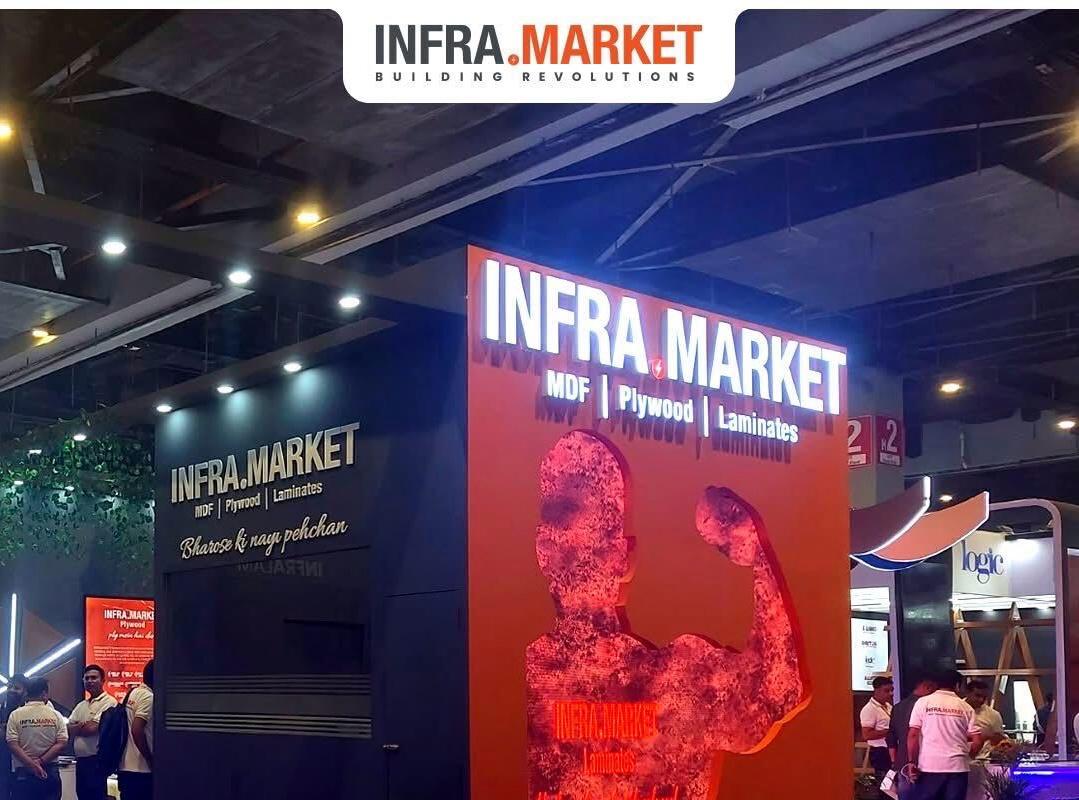
A Rs 10,440 crore share swap with listed Shalimar Paints could give the building materials startup a public market presence without a traditional IPO. But the novel route leaves investors grappling with dilution, valuation and governance concerns.