/
•
•
Detailed stories on technology startups, business and economic current affairs.
Bringing the airline back to the Tata fold is just the beginning of a strenuous test that lies ahead of Tata Sons chairman N. Chandrasekaran.



“Welcome back, Air India!” The joy in Ratan Tata’s words was unmistakable. After all, he was just a helpless teenager back in 1953, when the Jawaharlal Nehru government forcibly took away the ownership of the airline that was founded by his uncle, J.R.D. Tata. The emotive aspect apart, financially too, the Rs 18,000-crore deal to acquire the national flag carrier would have brought a smile to the face of the Tata group’s chairman emeritus.
Talace Pvt. Ltd, the Tata Sons subsidiary under which the acquisition has been done, will pay Rs 2,700 crore in cash to take complete ownership of …
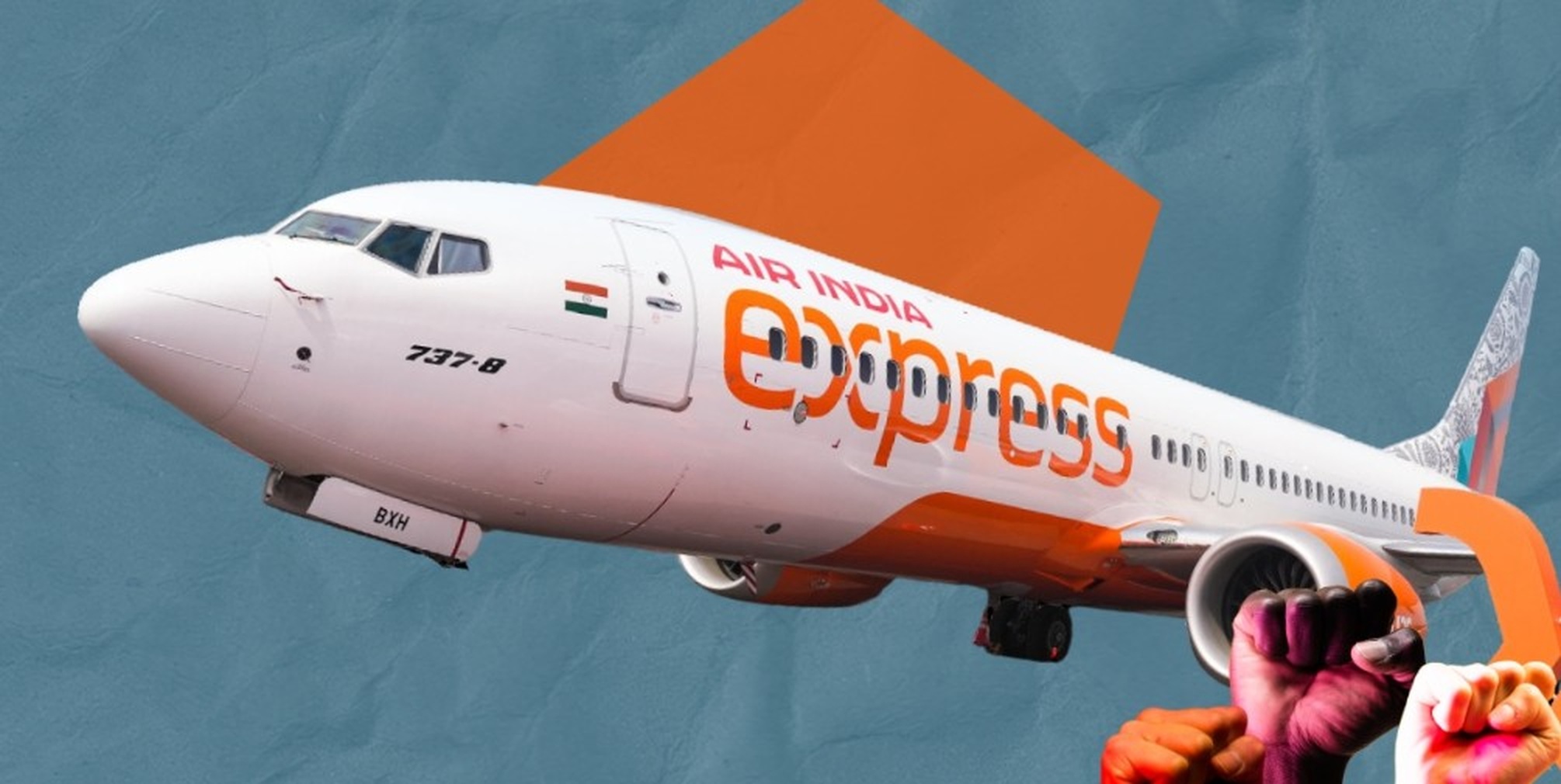
As the low-cost carrier pushes through a compensation overhaul, the absence of a CEO is complicating a delicate moment.
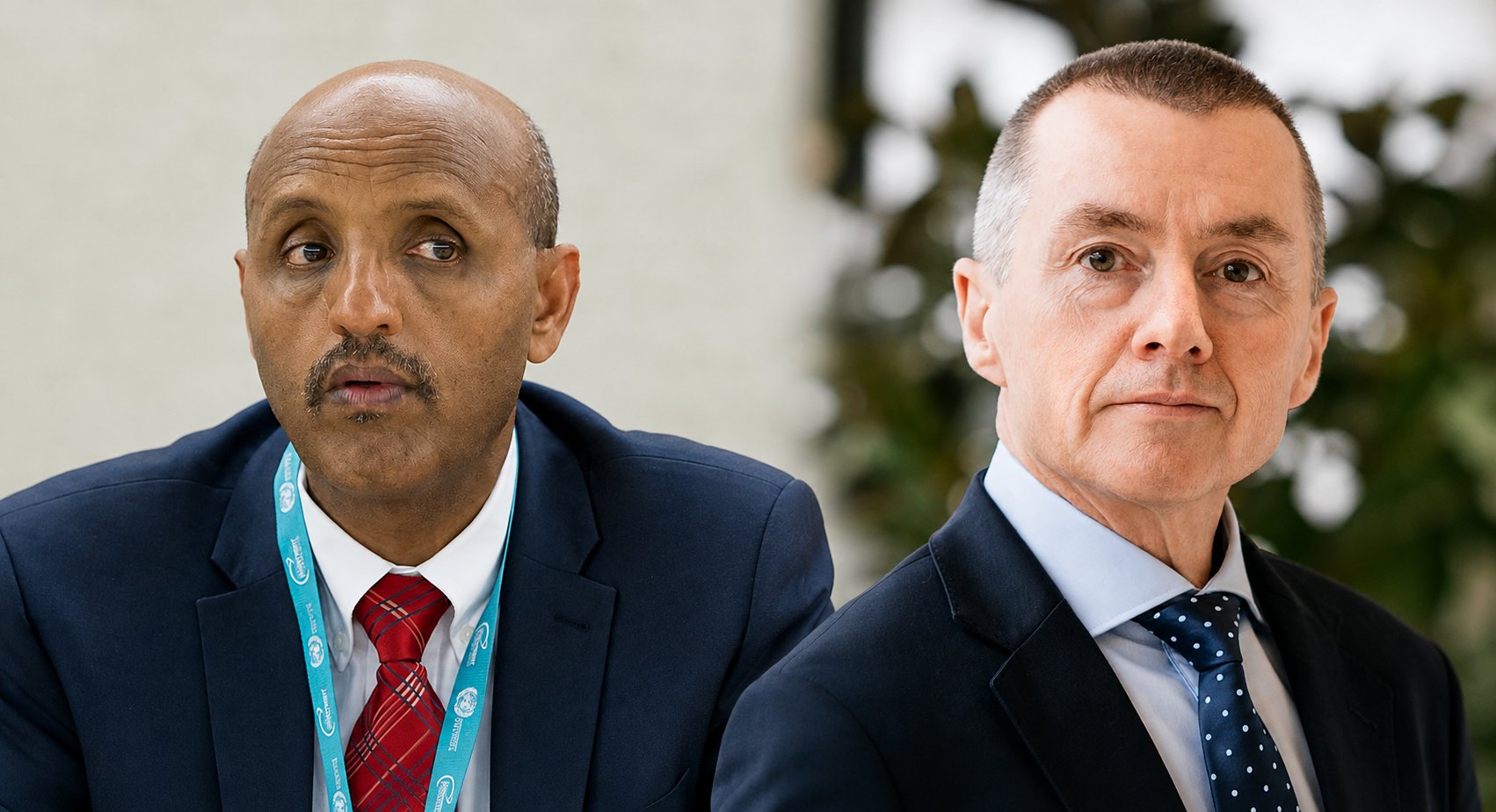
The two new chief executives at Air India and IndiGo come with contrasting reputations but face the same challenge—do their predecessors one better.
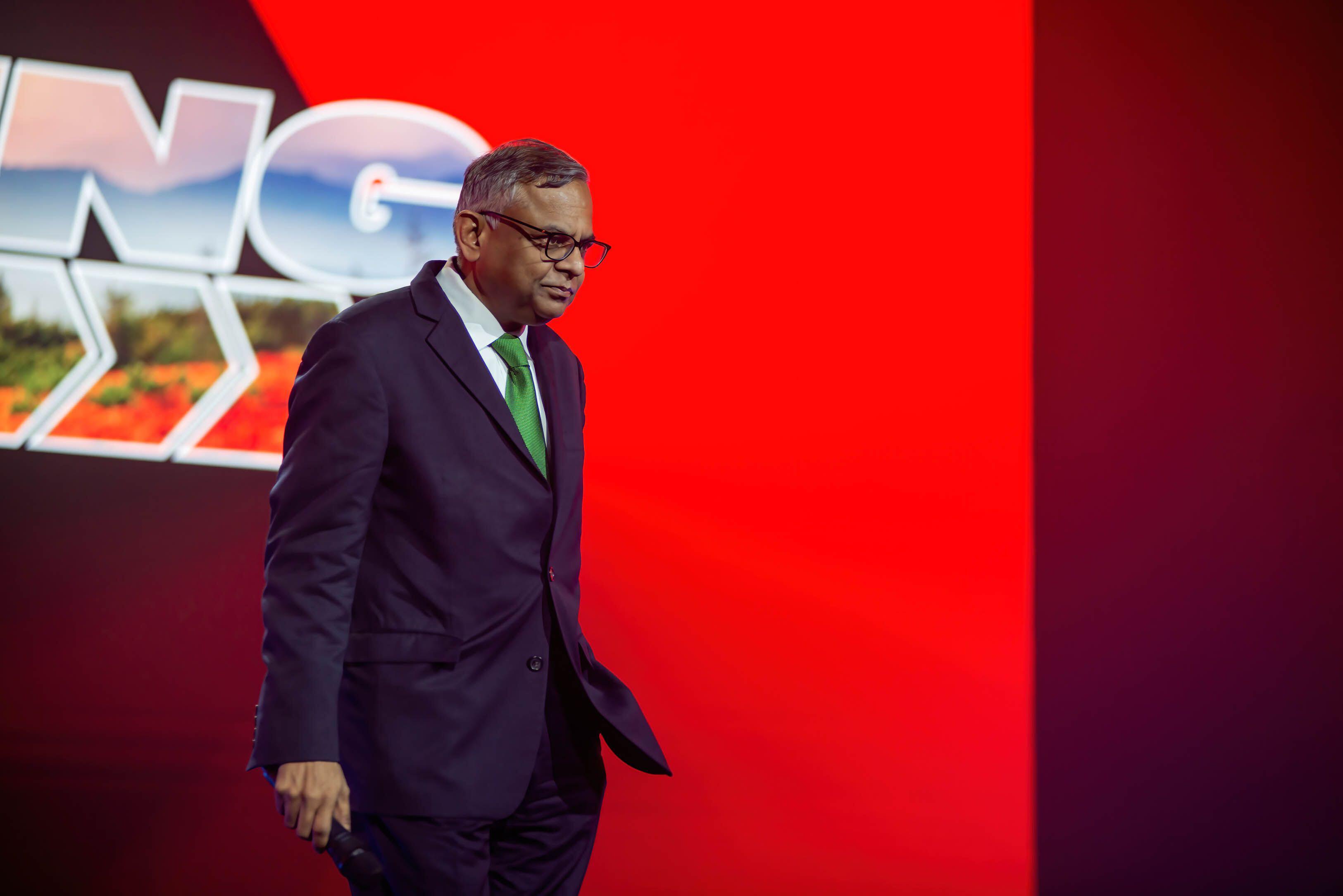
In a surprise move on Wednesday, the Tata Sons chairman announced he will exit Bombay House at the end of his tenure in February 2027. He leaves at what is one of the most crucial times for the group.