/
•
•
Detailed stories on technology startups, business and economic current affairs.
The speed at which Piramal Enterprises grew its real estate loan book would put a SoftBank-funded startup to shame. It’s time for a reset.




Ajay Piramal is no ordinary businessman. Starting in the late 1980s, with a mere Rs 6 crore in capital, he built a significant pharmaceuticals business which he sold for over Rs 17,000 crore, a little over two decades later. In dollar terms, that’s going from about $4-5 million (at 1988 exchange rates) to $3.7 billion (at 2010 rates). In doing so, Piramal created a precedent that most Indian businessmen can only dream of.
Rs 1,000 invested in his company in 1988 would have been worth Rs 29 lakh when he sold the pharma business to US-based Abbott Laboratories in 2010, …

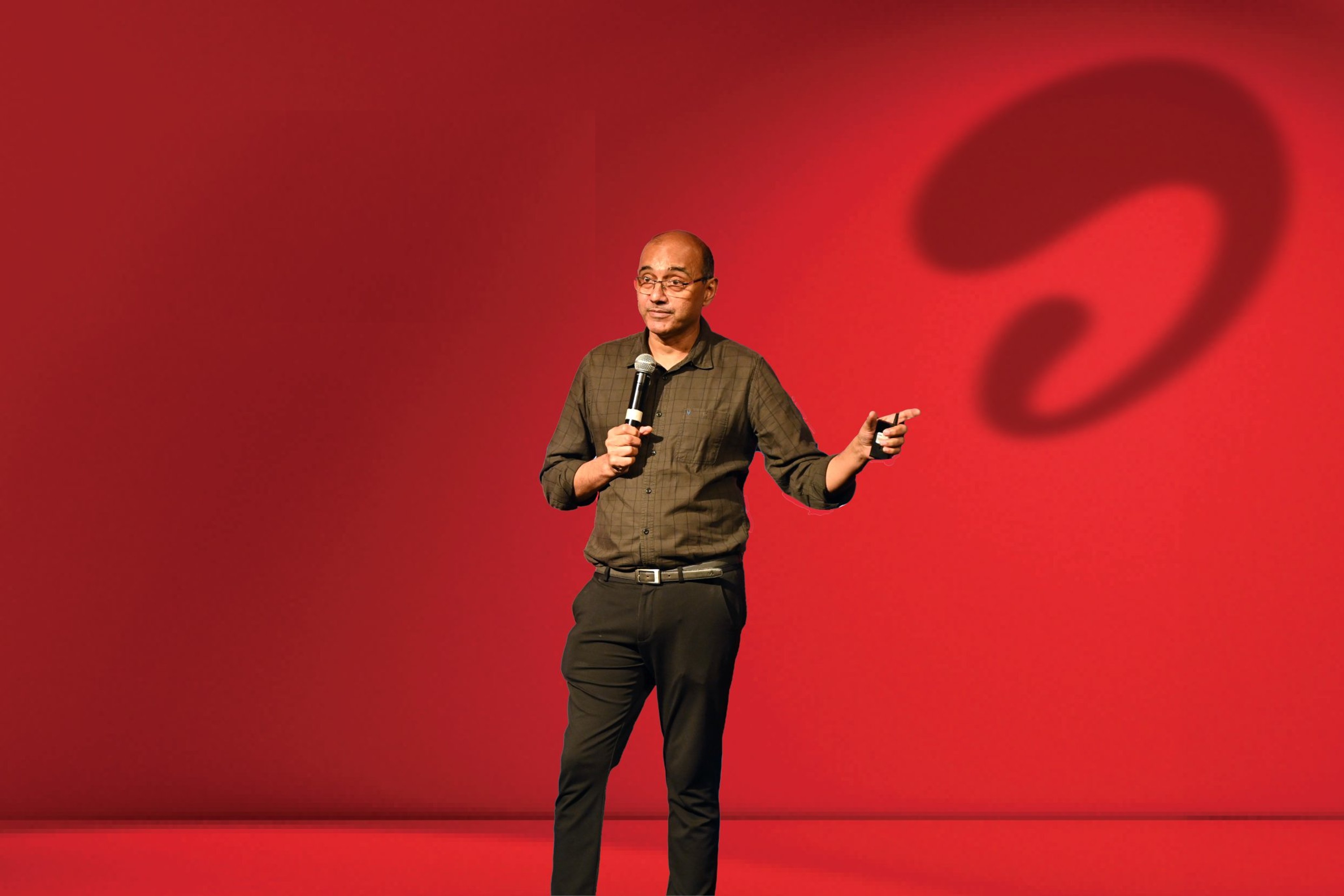
FY26 numbers show that Airtel is stealing a march on its larger rival on most counts and is unrelenting in its ambition, casting a cloud on Jio’s valuation.
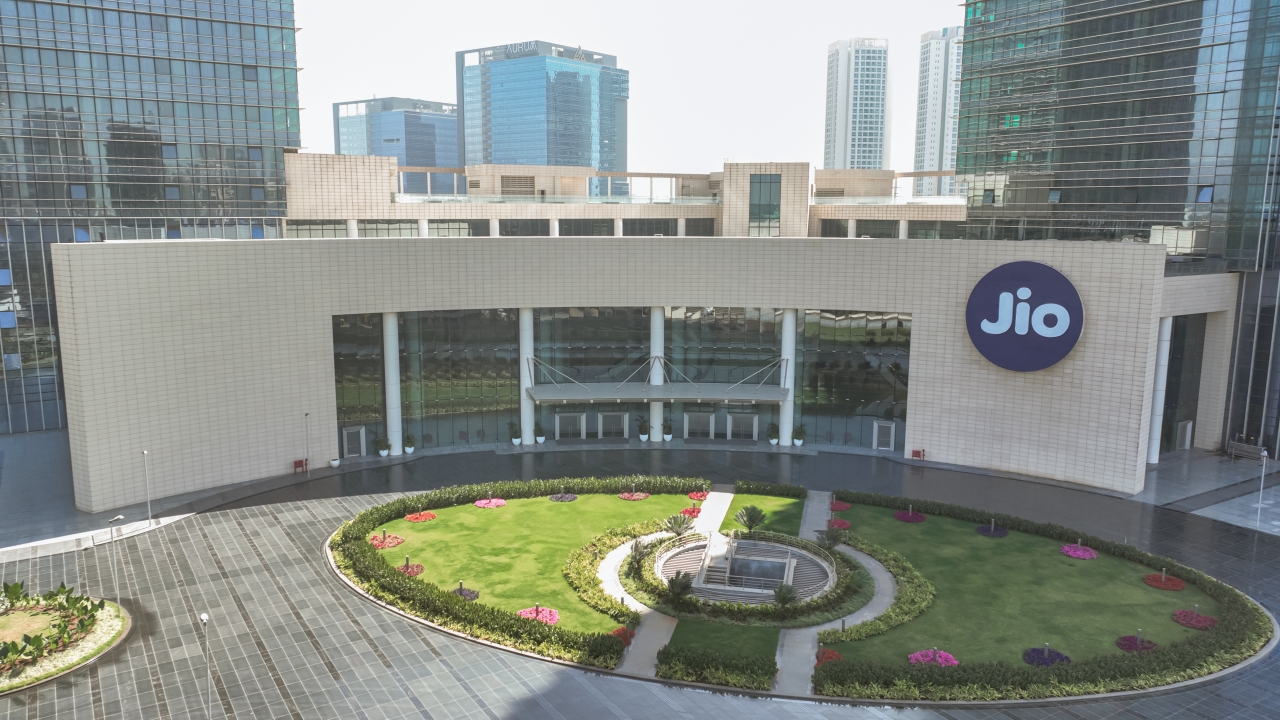
Telecom and retail both continue with their ‘hit and miss’, while O2C delivers an unsurprisingly poor performance in Q4. This is a year RIL will be glad to see the back of.

Telecom and retail, which account for half the conglomerate’s revenue and most of its valuation, aren’t accelerating fast enough to justify their price tags.