/
•
•
Detailed stories on technology startups, business and economic current affairs.
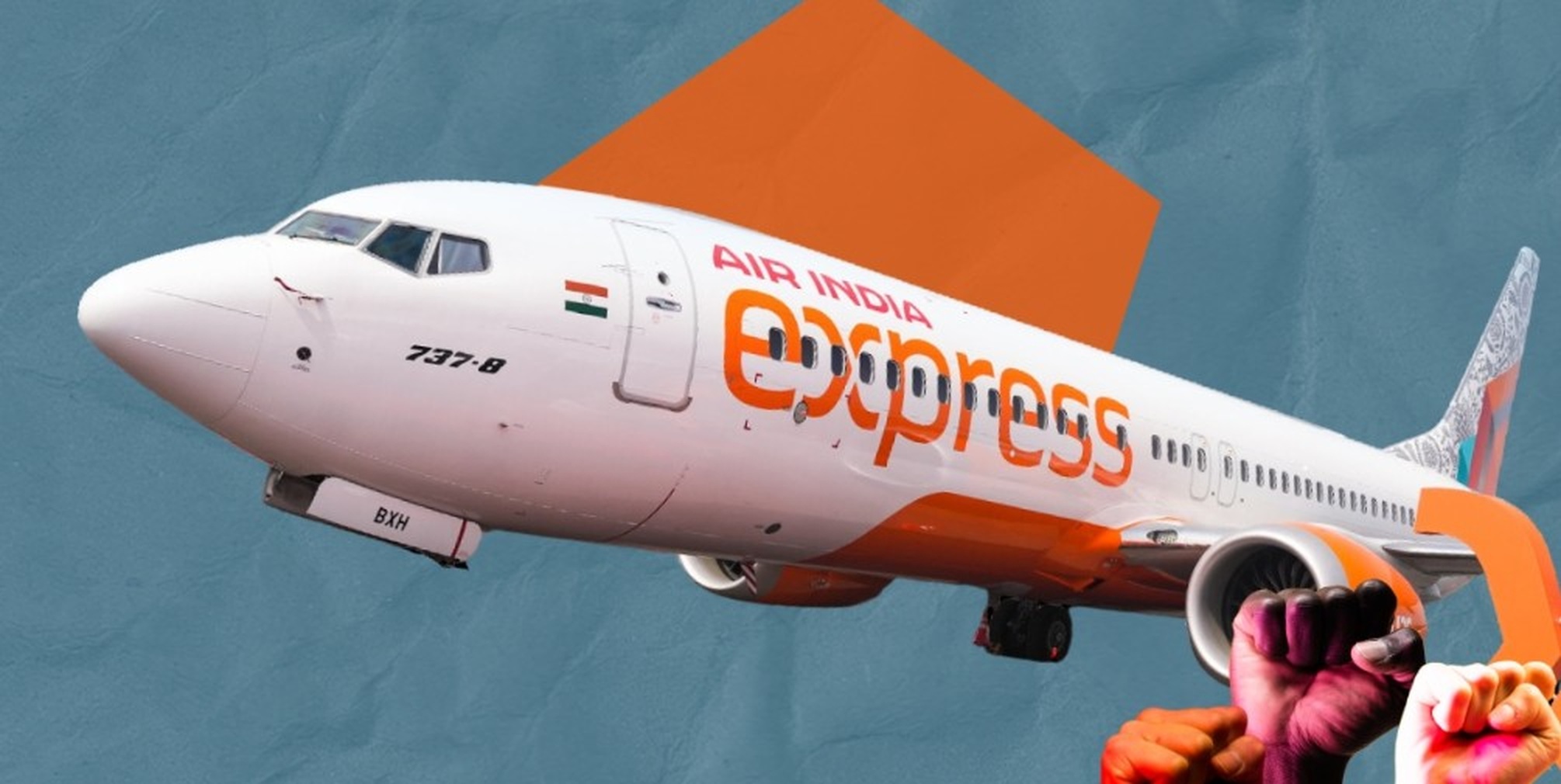
A string of incidents, posing a risk to passenger safety, has brought to the fore lax practices at the airline. Time for a reset?



A weather radar, tucked in the nose of an aircraft, is one among hundreds of pieces of equipment on board. But for pilots cruising at 31,000 feet, it’s an important ally in identifying their biggest enemy: thunderstorm-bearing clouds.
If the radar screen flashes green inside the cockpit, then the clouds up ahead contain light rain. But if it glows red or magenta, that’s a warning of severe thunderstorms that can shake the aircraft like a dog thrashing a rag doll. Pilots avoid such weather like the plague.
But what if the radar is malfunctioning, showing green on the screen instead …
As the low-cost carrier pushes through a compensation overhaul, the absence of a CEO is complicating a delicate moment.
A churn in venture capital collides with the fear of missing the AI wave, while the Ajay Singh-led airline’s recurring crises raise deeper questions.

The two new chief executives at Air India and IndiGo come with contrasting reputations but face the same challenge—do their predecessors one better.