/
•
•
Detailed stories on technology startups, business and economic current affairs.
Lenders’ hopes of recovering their dues get hit for a six with Reliance taking control of over 900 stores + Lessors begin taking back aircraft from Hyderabad-based TruJet.



Editor's note: Surendar here. As you read, lenders to the Future Group seem to have finally woken up for some last-minute bargaining even as the retailer’s deal with Reliance Industries is put to the vote. My question: What were they doing till now when what looked like a daylight robbery was taking place right under their noses? Separately, another company is trying hard to survive. But where Future has a deal that could still save it, TruJet has had no such luck so far. Read on. Banks get short shrift in Future-Reliance deal For nearly two years, banks and other financial lenders who have collectively lent over Rs 28,000 crore to Future Group entities have been watching from the sidelines, in the hope that some of their debt will be repaid. They drew comfort from the fact that as India’s largest company, Reliance Industries, had inked a deal with Future to buy out its assets, there was little chance that their borrower would go under. The story has had many twists and turns, including an as yet unfinished court battle with e-commerce …
Lenders’ hopes of recovering their dues get hit for a six with Reliance taking control of over 900 stores + Lessors begin taking back aircraft from Hyderabad-based TruJet.
Editor's note: Surendar here. As you read, lenders to the Future Group seem to have finally woken up for some last-minute bargaining even as the retailer’s deal with Reliance Industries is put to the vote. My question: What were they doing till now when what looked like a daylight robbery was taking place right under their noses? Separately, another company is trying hard to survive. But where Future has a deal that could still save it, TruJet has had no such luck so far. Read on. Banks get short shrift in Future-Reliance deal For nearly two years, banks and other financial lenders who have collectively lent over Rs 28,000 crore to Future Group entities have been watching from the sidelines, in the hope that some of their debt will be repaid. They drew comfort from the fact that as India’s largest company, Reliance Industries, had inked a deal with Future to buy out its assets, there was little chance that their borrower would go under. The story has had many twists and turns, including an as yet unfinished court battle with e-commerce …
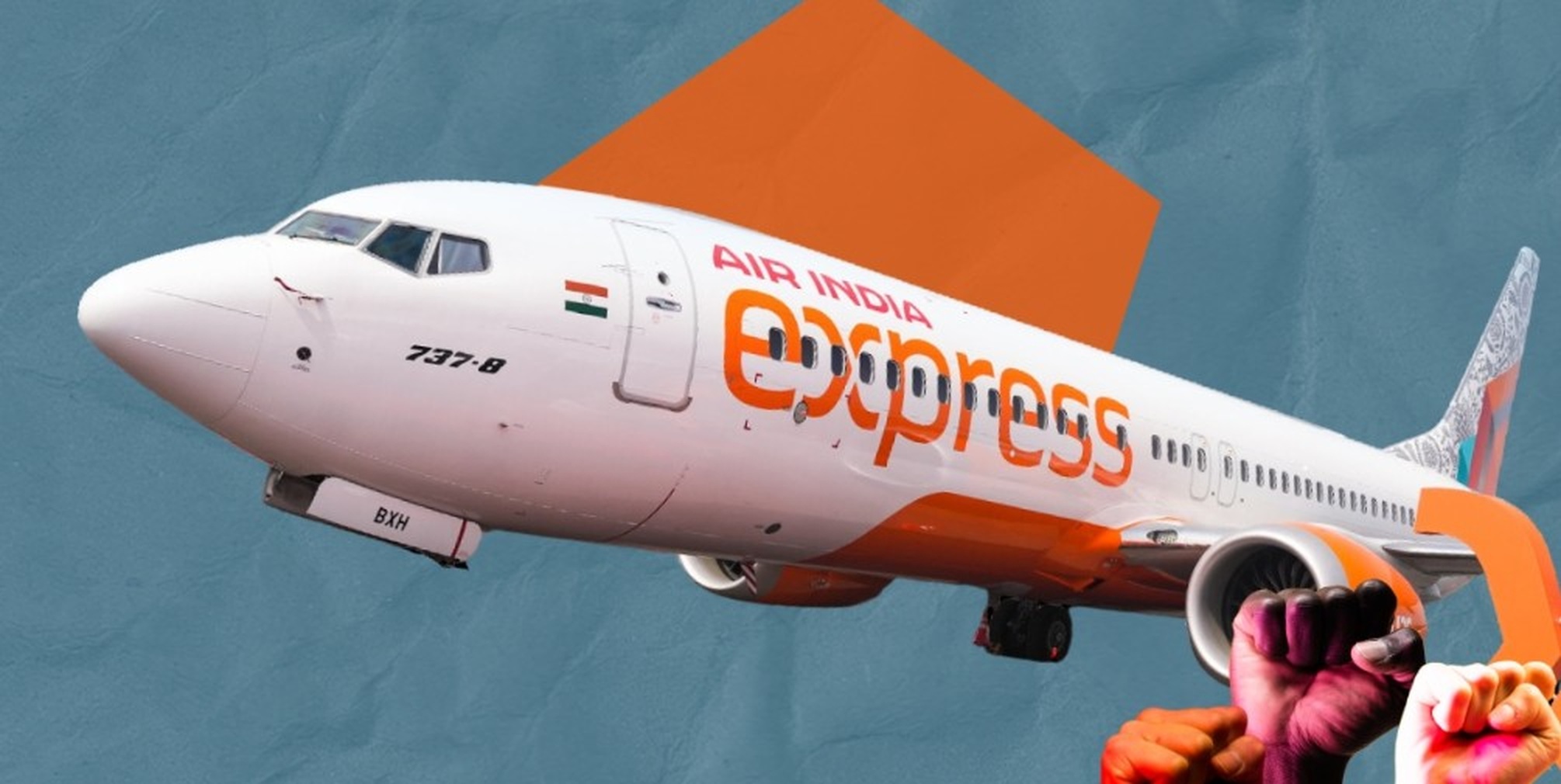
As the low-cost carrier pushes through a compensation overhaul, the absence of a CEO is complicating a delicate moment.
A churn in venture capital collides with the fear of missing the AI wave, while the Ajay Singh-led airline’s recurring crises raise deeper questions.
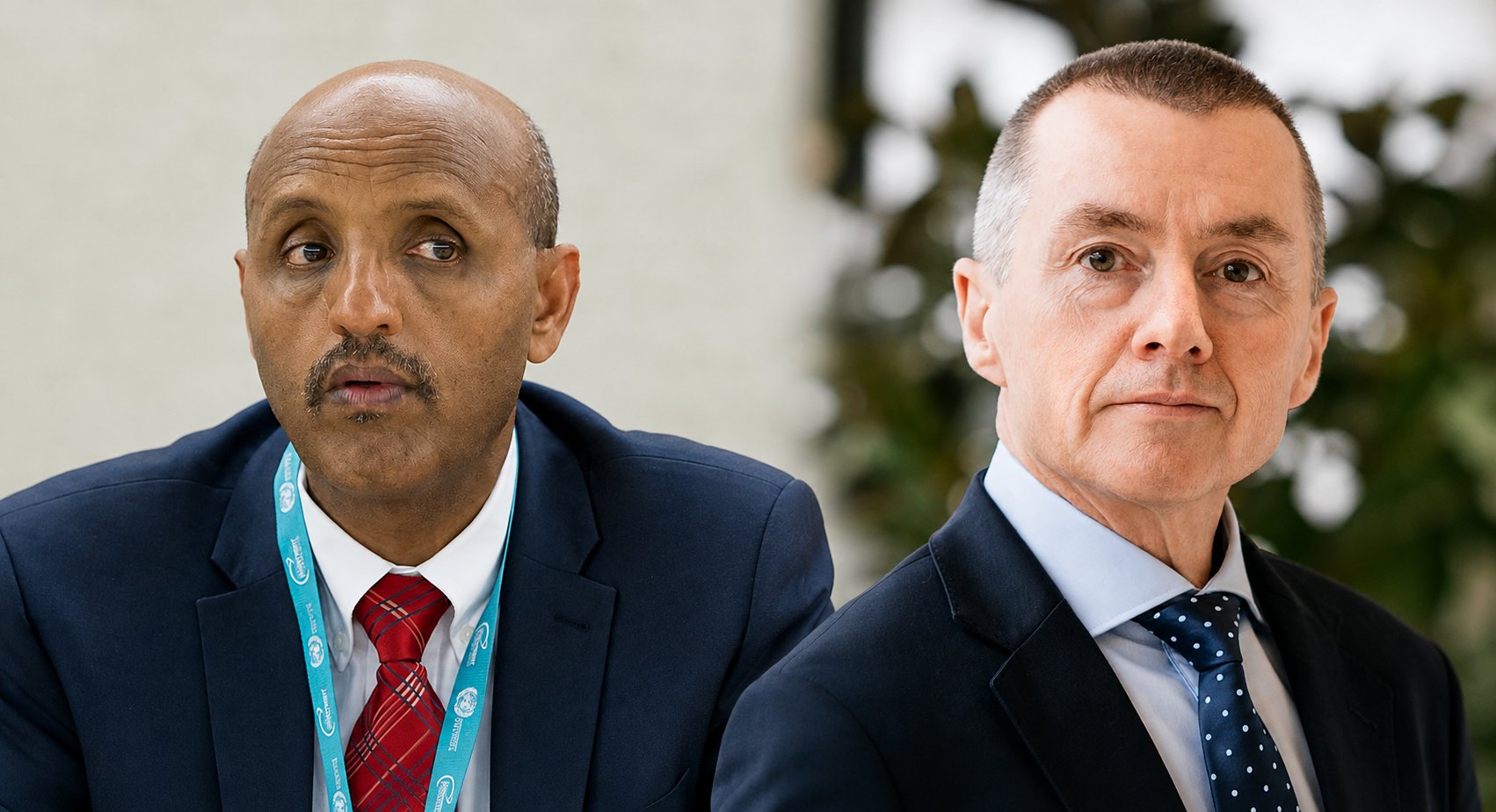
The two new chief executives at Air India and IndiGo come with contrasting reputations but face the same challenge—do their predecessors one better.
As the low-cost carrier pushes through a compensation overhaul, the absence of a CEO is complicating a delicate moment.
A churn in venture capital collides with the fear of missing the AI wave, while the Ajay Singh-led airline’s recurring crises raise deeper questions.
The two new chief executives at Air India and IndiGo come with contrasting reputations but face the same challenge—do their predecessors one better.